Sauces and gravies are the secret weapons of the kitchen. They turn plain pasta into comfort food, roasted vegetables into a feast, and grain bowls into gourmet meals. But what happens when you have leftovers or want to make a big batch ahead of time?
Properly storing sauces and gravies in the refrigerator not only extends their shelf life but also preserves their flavor, texture, and safety—especially when you’re working with plant-based, dairy-free, and egg-free recipes.
In this comprehensive guide, we’ll explore how to safely store a variety of vegan sauces and gravies in the fridge, how long they last, and the best containers to use. Let’s dive into fridge-friendly storage with zero non-veg ingredients and maximum freshness!
Why Store Sauces and Gravies?
Sauces are the building blocks of many delicious meals. Storing them properly offers major benefits:
- Convenience – Batch cooking saves time during the week.
- Less Waste – Don’t toss leftovers; store and reuse them.
- Consistent Flavor – Pre-made sauces make meal prep quick and flavorful.
- Safe Meal Prep – Proper refrigeration prevents bacterial growth.
Whether it’s creamy vegan Alfredo, tangy tomato basil sauce, or a hearty plant-based gravy, your sauces can live happily in your fridge—if stored right.

Which Sauces and Gravies Are We Talking About?
This article focuses on plant-based sauces and gravies, such as:
| Type | Examples |
|---|---|
| Tomato-based sauces | Marinara, arrabbiata, pizza sauce |
| Nut and seed-based sauces | Cashew Alfredo, tahini dressing, peanut sauce |
| Oil-based sauces | Pesto (without cheese), chimichurri, vinaigrettes |
| Coconut milk-based curries | Thai curry, korma (vegan), coconut gravy |
| Plant milk–based gravies | Vegan white gravy, mushroom gravy, onion gravy |
| Legume-based sauces | Hummus, lentil sauce, bean purées |
General Guidelines for Refrigerating Sauces
Before getting into specifics, here are essential steps for all sauces:
1. Cool Before Refrigerating
Never place hot sauce directly into the fridge. Allow it to cool for at least 30 minutes at room temperature (but not more than 2 hours to avoid bacterial growth). Placing hot food in the fridge raises the overall internal temperature and can compromise other stored items.
2. Use Airtight Containers
Glass jars, BPA-free plastic containers, or silicone pouches are ideal. Make sure:
- Lids are tight-fitting
- Containers are clean and dry
- You’re not using containers that absorb odors
3. Label Everything
Always write:

- Sauce name
- Preparation date
- “Use by” date
This helps you track freshness and avoid waste.
How Long Do Plant-Based Sauces Last in the Fridge?
Here’s a breakdown by sauce type:
| Sauce Type | Fridge Life (Properly Stored) |
|---|---|
| Tomato-based (marinara) | 5–7 days |
| Nut-based (cashew cream) | 4–5 days |
| Oil-based (pesto, vinaigrettes) | 7–10 days |
| Coconut milk curries | 4–6 days |
| Vegan gravies | 3–4 days |
| Legume-based (hummus, lentil) | 5–6 days |
If a sauce develops an off smell, color change, or mold, discard immediately.
Best Storage Containers for Sauces
| Container Type | Best For | Notes |
|---|---|---|
| Glass Jars | Tomato, coconut, creamy sauces | Non-reactive, reusable, keeps flavors intact |
| Silicone Pouches | Nut butters, dressings | Space-saving and eco-friendly |
| Mason Jars | Gravies and thick sauces | Easy to seal, pour, and reheat from |
| BPA-free Plastic | Large batches or meal prep sauces | Lightweight, but can stain with tomato sauces |
Always choose containers that are:
- Opaque or dark-colored for light-sensitive ingredients (e.g., pesto)
- Microwave- or stovetop-safe if you plan to reheat directly
How to Reheat Sauces from the Fridge
- Reheat gently on the stovetop over low-medium heat.
- Stir frequently to avoid separation, especially with creamy or oil-based sauces.
- If thickened in the fridge, add a splash of plant milk, water, or broth to loosen.
Avoid repeated heating and cooling. Only reheat what you need and return unused sauce to the fridge immediately.

Tips for Specific Types of Sauces
Tomato-Based Sauces
- Store in glass jars to avoid staining.
- Acidic ingredients help preserve freshness naturally.
- Ideal for pasta, pizza, or grain bowls.
Shelf Life: 5–7 days
Pro Tip: Add a splash of olive oil before storing to prevent drying out.
Coconut Milk or Plant Milk–Based Sauces
- Cool quickly and stir before refrigerating.
- Use within 4–6 days to avoid curdling.
- Best reheated gently—don’t boil.
Shelf Life: 4–6 days
Pro Tip: Stir well before reheating; add liquid if thick.
Nut or Seed-Based Sauces (e.g., Cashew Alfredo, Peanut Sauce)
- Thicken when cold—add warm water or broth to loosen.
- Store in airtight glass containers.
- Great for noodles, veggie bowls, or sandwiches.
Shelf Life: 4–5 days
Pro Tip: Use roasted nuts for better flavor and longer freshness.
Oil-Based Sauces (e.g., Pesto, Chimichurri)
- Store with a thin layer of oil on top to prevent oxidation.
- Use dark jars or opaque containers to protect from light.
- Can be used straight from fridge (no heating needed).
Shelf Life: 7–10 days
Pro Tip: Avoid wooden spoons—they absorb oil and garlic flavors.
Vegan Gravies (e.g., Mushroom, Onion, White Gravy)
- Thickeners like flour or cornstarch will cause gravies to gel in the fridge.
- Reheat slowly while whisking and add liquid as needed.
- Use within a few days for best taste.
Shelf Life: 3–4 days
Pro Tip: Store in a wide-mouthed jar for easy pouring and reheating.

Mistakes to Avoid When Storing Sauces
| Mistake | Why It’s a Problem |
|---|---|
| Storing hot sauce in fridge | Raises fridge temp and causes spoilage |
| Using uncovered containers | Leads to cross-contamination and odors |
| Not labeling jars | Causes confusion and food waste |
| Reheating whole batch | Reduces shelf life with each reheat |
| Using metal containers | Can cause metallic taste in acidic sauces |
Hygiene Tips for Longer Shelf Life
- Use clean utensils every time—no double-dipping!
- Wash containers thoroughly before reuse.
- Dry containers fully before storing sauces.
Can You Store Sauces with Added Starches?
Yes, but sauces thickened with flour, cornstarch, or arrowroot may change texture in the fridge. They can become:
- Gelatinous or clumpy
- Separated (oil/fat on top)
Solution: Add warm plant milk, water, or broth and re-blend or whisk when reheating.
Can You Freeze Leftover Sauces Instead?
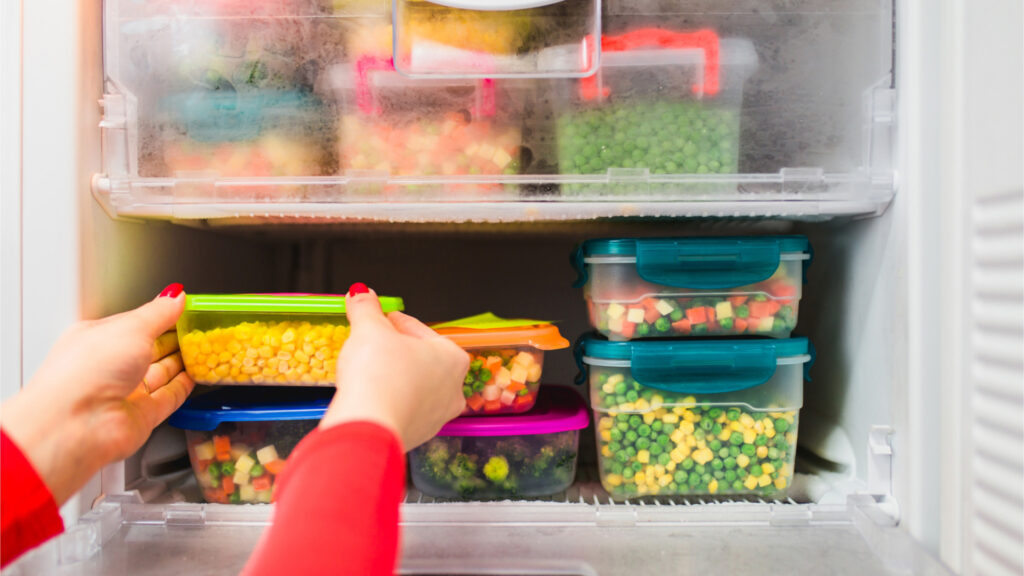
Absolutely! If you can’t finish your sauce within 5 days, freeze it. Here’s how:
- Cool completely.
- Store in freezer-safe containers or silicone molds.
- Label with date and type.
- Freeze up to 3 months.
Defrost overnight in the fridge and reheat gently. Avoid freezing sauces with high water content (like cucumber-based ones) as they tend to separate.
How to Use Stored Sauces
Stored sauces make it easy to whip up meals quickly. Here are some ideas:

- Cashew cream: Stir into soups or use as a pasta sauce base.
- Pesto: Spread on sandwiches or drizzle over roasted veggies.
- Tomato sauce: Use in baked dishes or pizza night.
- Gravy: Serve with mashed potatoes, vegan meatloaf, or over toast.
- Tahini sauce: Great on grain bowls, salads, or falafel wraps.
Final Thoughts
Proper storage of sauces and gravies in the fridge is key to maintaining their delicious flavor, food safety, and convenience—especially on a plant-based diet. Whether you’re prepping for the week, saving leftovers, or making big batches, a few simple storage tips go a long way.
By cooling your sauces, using airtight containers, labeling properly, and sticking to fridge life guidelines, you’ll always have a flavorful, ready-to-go addition to any meal—no dairy, eggs, or meat needed.