
Dressings and marinades are the silent heroes of a plant-based kitchen. They breathe life into salads, turn plain tofu into something crave-worthy, and add bursts of flavor to roasted vegetables, grains, and legumes. Whether you’re prepping your favorite tahini dressing, a zesty citrus vinaigrette, or a soy-ginger marinade, knowing how to store them properly is essential for preserving taste, texture, and safety.
This detailed guide will walk you through how to store homemade and store-bought dressings and marinades, how long they last, which containers work best, and tips for keeping them fresh—all without a single non-veg ingredient.
Why Storage Matters for Dressings and Marinades
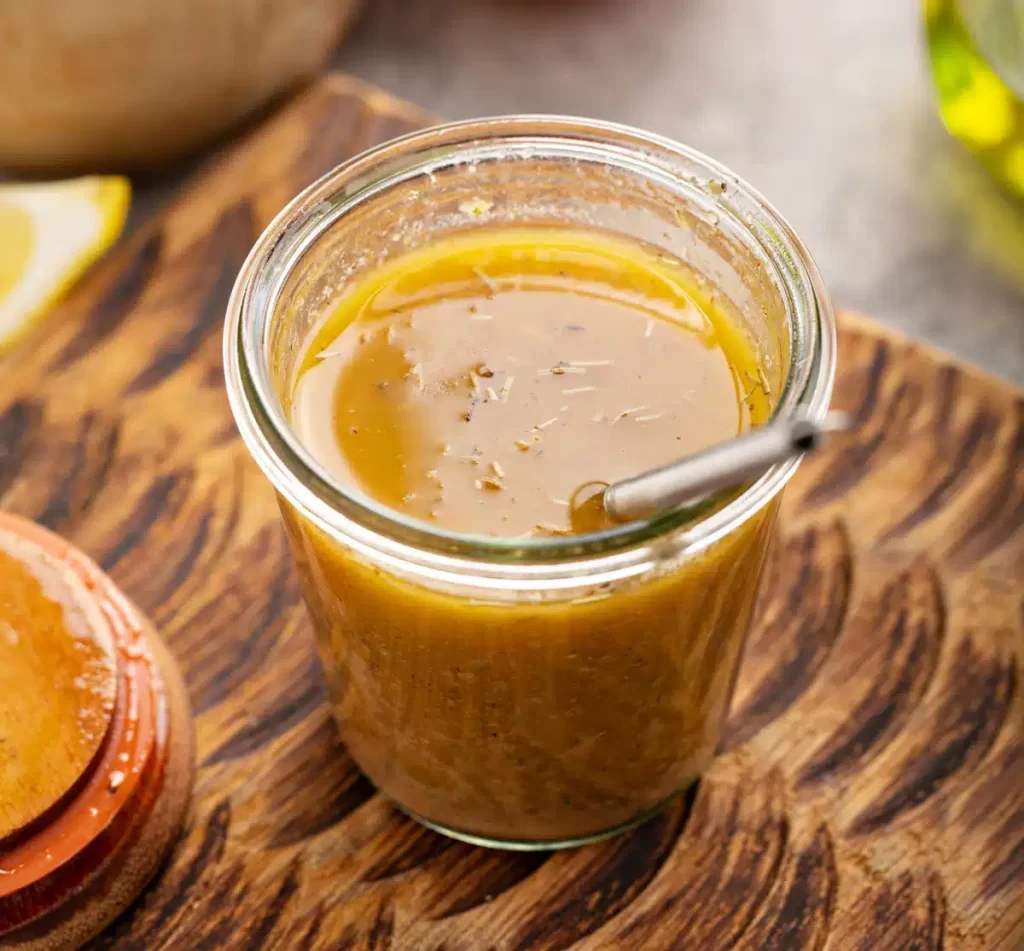
Proper storage of dressings and marinades helps you:
- Extend shelf life and avoid waste
- Preserve flavor and texture
- Prevent bacterial growth or spoilage
- Make meal prep easier and faster
When stored correctly, these condiments can elevate multiple meals throughout the week—without you needing to recreate them every time.
The Difference Between Dressings and Marinades
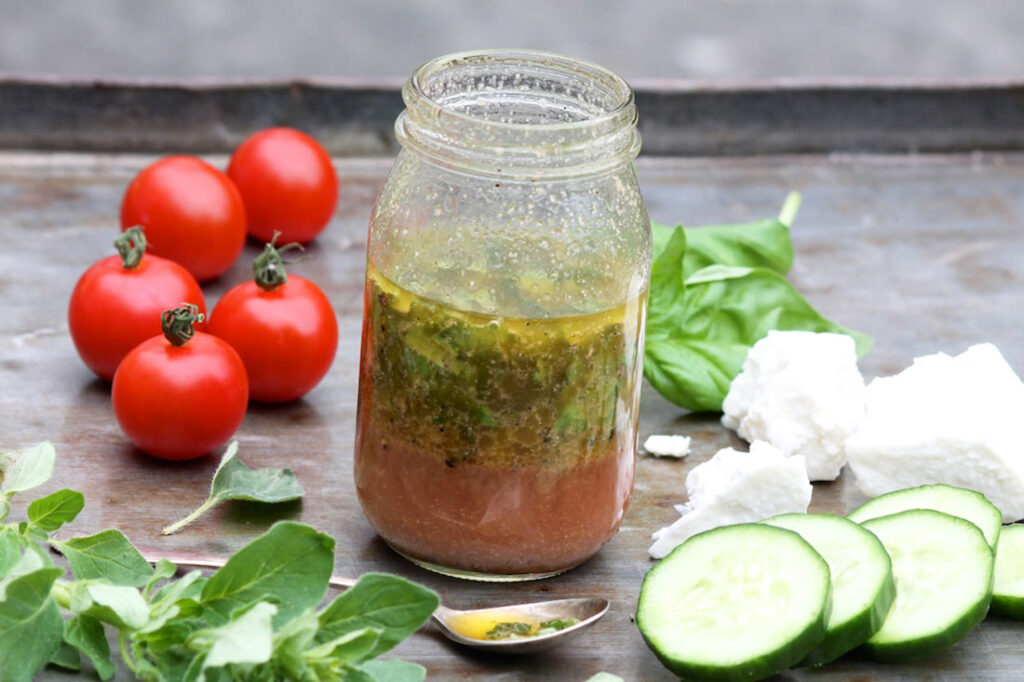
Though they share some ingredients, dressings and marinades serve different purposes:

| Dressings | Marinades |
|---|---|
| Usually oil-based or creamy, used on salads, grain bowls, and roasted vegetables | Used to soak or coat vegetables, tofu, tempeh, or seitan to infuse flavor before cooking |
| Often ready to serve | Typically used in advance of cooking |
Examples (Plant-Based Only):
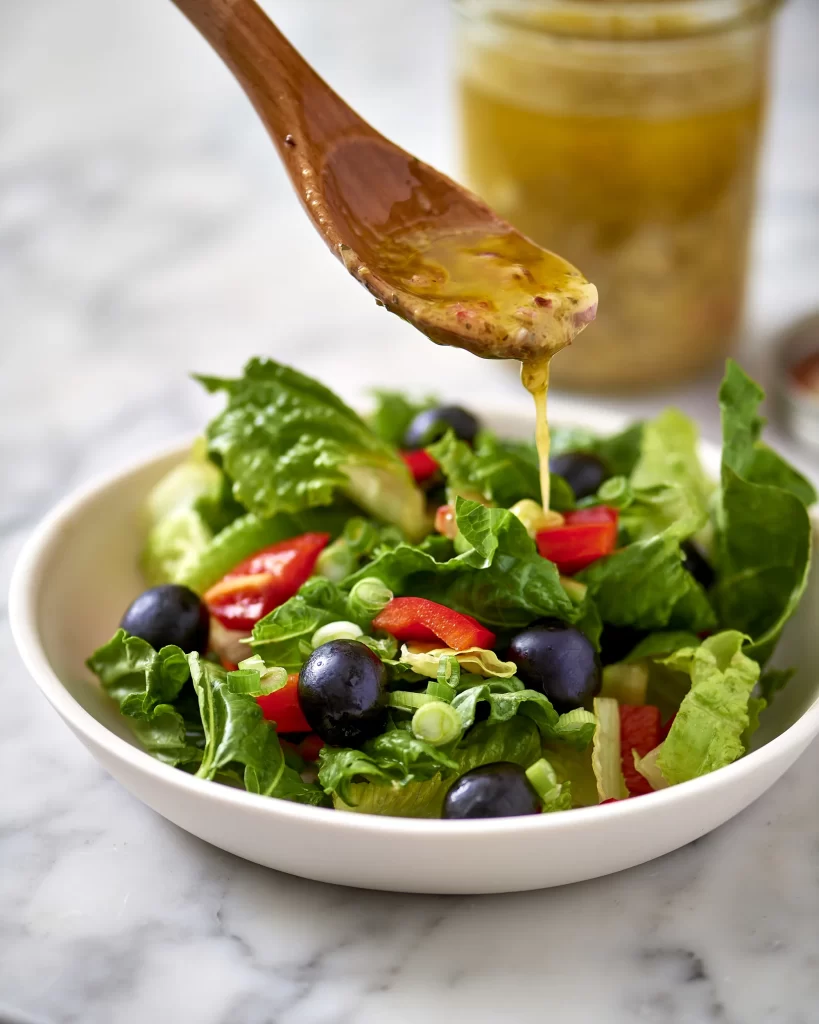
- Dressings: Lemon-tahini, balsamic vinaigrette, creamy cashew dressing, avocado-lime dressing
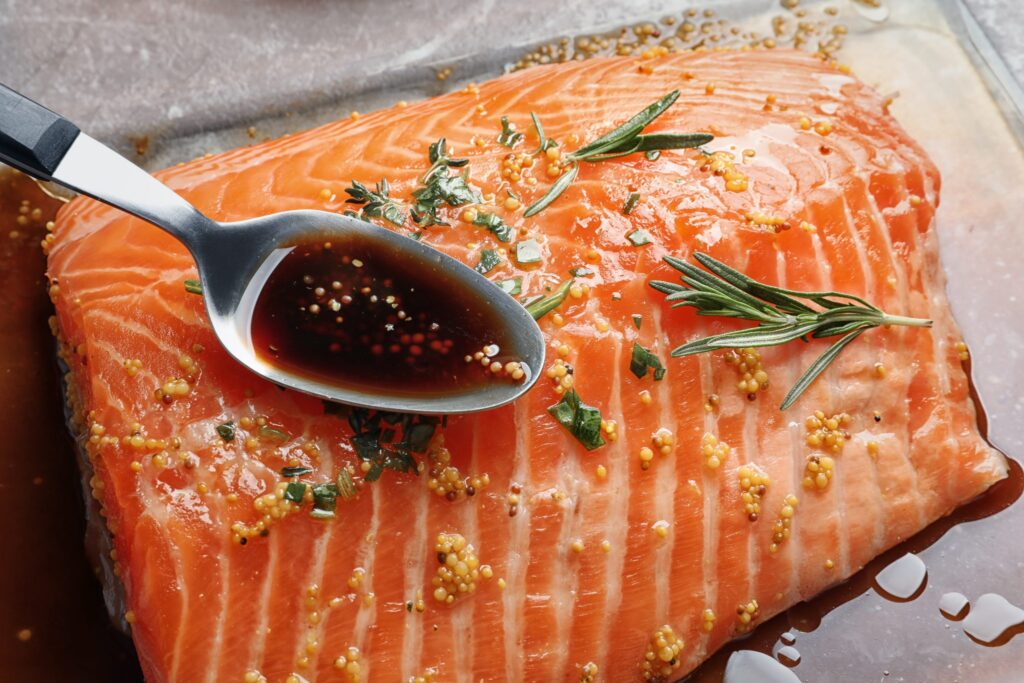
- Marinades: Soy-ginger, garlic-lemon olive oil, maple-mustard, chili-lime
Both benefit from similar storage principles, but a few differences matter (which we’ll explore below).
General Guidelines for Storing
1. Cool Before Refrigerating
If you’ve heated ingredients (e.g., reducing a balsamic glaze), cool the mixture to room temperature before placing it in the fridge. Placing hot liquids in cold storage increases condensation and may promote spoilage.
2. Use Airtight Containers
To preserve flavor and prevent contamination:
- Use glass jars with tight lids, BPA-free plastic containers, or reusable silicone bottles.
- Avoid metal containers, which can react with acidic ingredients like vinegar or citrus.
3. Label and Date Everything
Include:

- Name of the dressing or marinade
- Date it was made
- “Use by” suggestion (see chart below)
This helps reduce waste and ensures safe use.
How Long Do Dressings and Marinades Last?
Here’s a quick reference for how long common types of plant-based dressings and marinades last in the fridge:
| Type | Fridge Shelf Life | Notes |
|---|---|---|
| Oil-based vinaigrettes | 1–2 weeks | Shake before use; oil may solidify |
| Creamy nut-based dressings | 4–5 days | Cashew or tahini-based |
| Yogurt-alternative dressings | 3–4 days | Made with coconut or soy yogurt |
| Citrus-based marinades | 3–5 days | Use quickly to avoid bitterness |
| Soy or tamari-based marinades | 7–10 days | Longer lasting due to salt content |
| Avocado-based dressings | 2–3 days | Oxidize quickly |
| Herbed oils or chimichurri | 5–7 days | Use fresh herbs quickly |
Tip: If you see separation, mold, change in smell, or taste, discard immediately.
Best Containers for Storage
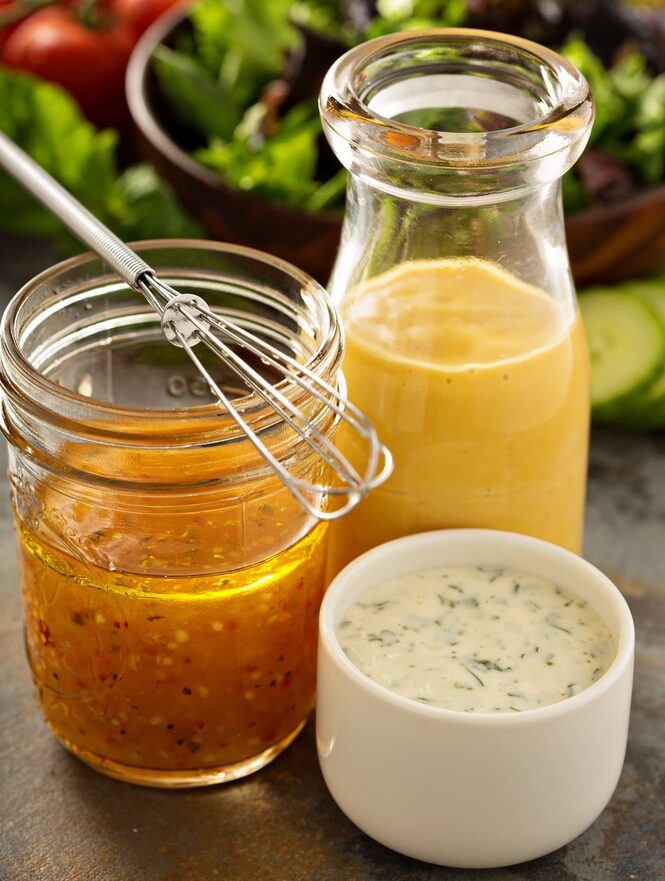
Your choice of container makes a big difference in how long your dressing or marinade stays fresh.
Best Options:
- Mason jars – Great for homemade vinaigrettes and dressings
- Glass salad dressing bottles – Designed for shaking and pouring
- Squeeze bottles (BPA-free) – Good for sauces or frequent use
- Wide-mouth jars – Ideal for thicker, creamy options
Avoid:
- Metal containers (reactive)
- Containers without lids
- Reused takeout containers (may not seal properly)
Can You Freeze Dressings and Marinades?
Yes, with some caveats:

Safe to Freeze:
- Nut-based creamy dressings (cashew, almond)
- Oil-based marinades without fresh herbs
- Soy-based or tamari marinades
Not Ideal for Freezing:
- Emulsified dressings (may separate when thawed)
- Avocado-based dressings (texture becomes mushy)
- Dressings with fresh herbs or garlic (texture and flavor degrade)
How to Freeze:
- Portion into ice cube trays or silicone molds.
- Transfer cubes to freezer-safe bags.
- Label and store for up to 3 months.
To use, thaw in the fridge overnight and stir well.
How to Store by Ingredient Type
Oil-Based Dressings (e.g., Balsamic Vinaigrette, Lemon-Olive Oil)
- Store in glass bottles.
- Olive oil may solidify in the fridge—just set it at room temp for 10–15 minutes and shake before use.
Fridge Life: 1–2 weeks
Nut- or Seed-Based Dressings (e.g., Cashew Caesar, Tahini)
- Must be refrigerated.
- Thickens over time—add water or lemon juice to loosen if needed.
Fridge Life: 4–5 days
Tip: Use soaked cashews for smoother texture and better emulsification.
Avocado-Based Dressings
- Oxidize and darken quickly.
- Best stored in a glass jar with a tight lid and a thin layer of olive oil on top.
- Add lemon juice to slow oxidation.
Fridge Life: 2–3 days
Pro Tip: Place a piece of plastic wrap directly on the surface to minimize air exposure.

Citrus or Acid-Based Marinades
- Use glass containers to avoid reactions with metal.
- Best for tofu or tempeh and quick pickling of veggies.
Fridge Life: 3–5 days
Fresh Herb or Garlic-Based Sauces (e.g., Chimichurri, Mint Chutney)
- Use quickly, as fresh herbs degrade.
- Store in dark jars or wrap containers to block light.
Fridge Life: 3–4 days
Hygiene Tips for Storing
- Always use clean utensils—no double dipping.
- Sanitize storage containers before each refill.
- Dry containers completely before adding dressings or marinades.
- Don’t leave opened sauces at room temperature longer than 1–2 hours.
Reusing Marinades: Yes or No?
If a marinade has been in contact with raw food (e.g., tofu), do not reuse unless you boil it thoroughly for at least 5 minutes. To avoid waste, set aside a portion of the marinade before using it to coat ingredients.
Creative Uses for Leftover Dressings & Marinades
Here are plant-based ways to use up small amounts of leftover dressings:
| Dressing Type | Creative Uses |
|---|---|
| Vinaigrettes | Drizzle over roasted veggies or grain bowls |
| Cashew/Tahini | Stir into soups for creaminess |
| Marinades | Use as stir-fry sauce or tofu glaze |
| Yogurt-based | Spread on wraps or sandwiches |
| Chimichurri | Add to mashed potatoes or pasta salad |
Common Mistakes to Avoid
| Mistake | Why It’s a Problem |
|---|---|
| Leaving dressings uncovered | Leads to spoilage or absorbing fridge odors |
| Using dirty utensils | Introduces bacteria |
| Storing in reactive metal | Affects taste, may leach metals |
| Ignoring separation | Some separation is normal, but mold is not |
| Overstoring | Going past safe dates can lead to foodborne illness |
Final Thoughts
Whether you’re prepping a creamy vegan ranch, a spicy harissa marinade, or a classic lemon-tahini dressing, storing them properly in the fridge ensures your plant-based meals stay vibrant and safe to enjoy. By following basic storage hygiene, using the right containers, and labeling well, you can enjoy flavorful, nutrient-rich sauces throughout the week.

With these fridge-friendly tips, your dressings and marinades will be ready to add instant magic to your meals—any day of the week.