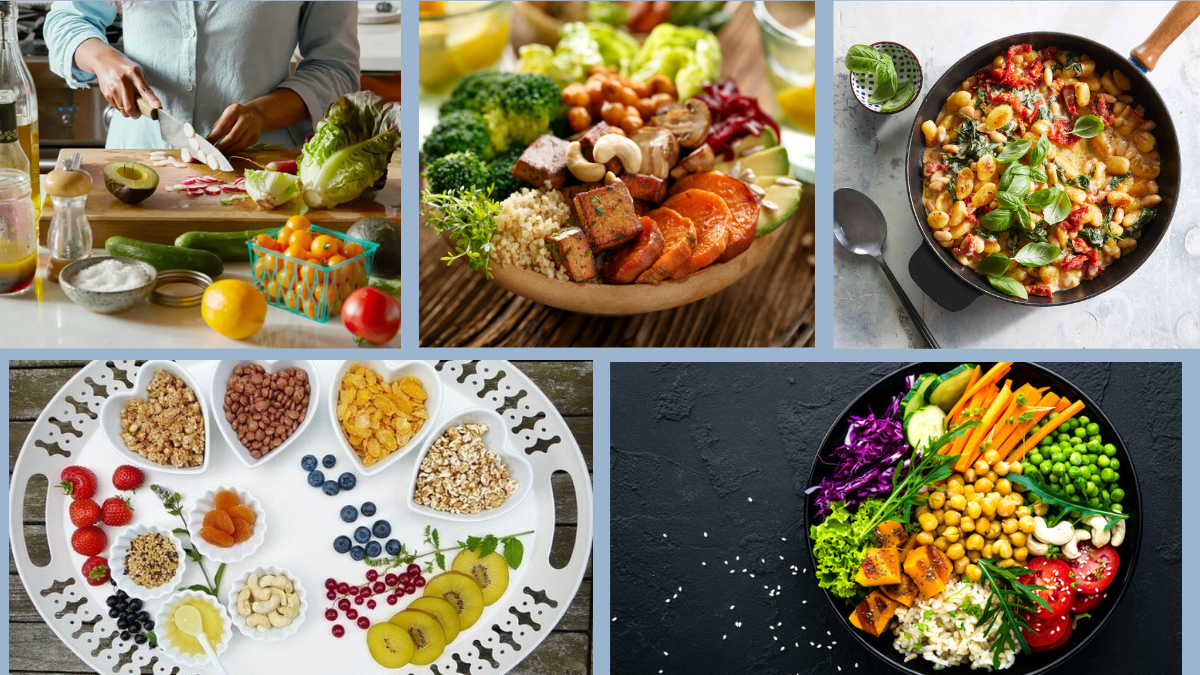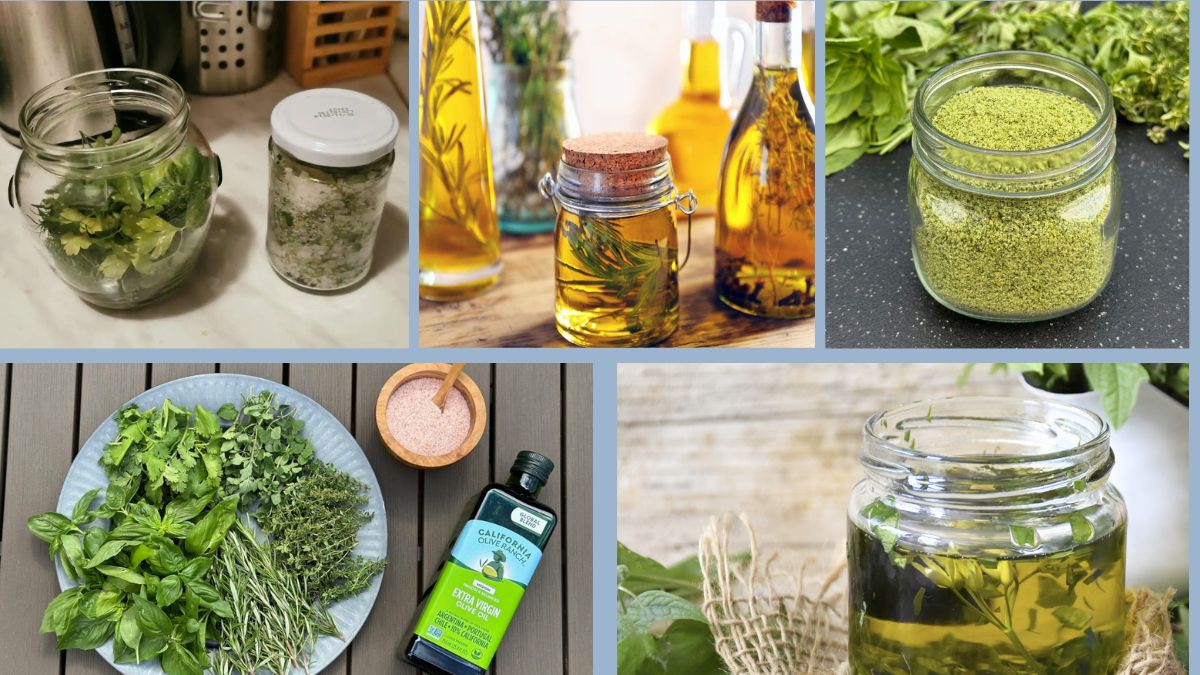
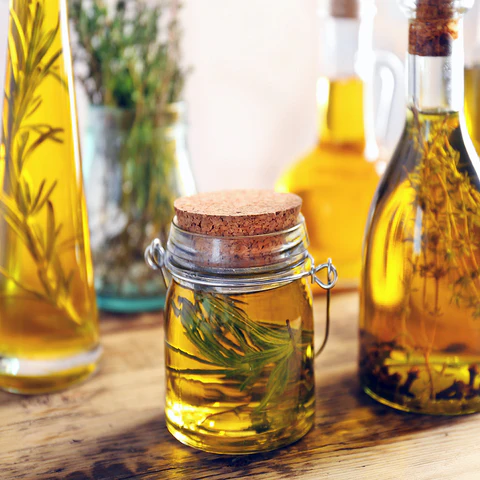
Fresh herbs bring life to plant-based cooking—adding aroma, color, and powerful taste to everything from pasta and soups to salad dressings and roasted vegetables. But herbs are delicate and don’t last long in the fridge. One of the best ways to extend their shelf life—and capture their vibrant flavor—is by storing them in oil.
This guide will walk you through the safe, effective, and flavorful method of storing herbs in oil—completely free of non-veg ingredients. Whether you’re preserving basil, thyme, rosemary, cilantro, or mint, you’ll learn how to make your herbs last longer while infusing oil with their rich essence.
Why Store Herbs in Oil?
Storing herbs in oil serves several purposes:
- Preserves freshness: Protects herbs from air and oxidation
- Reduces waste: No more wilted, slimy herbs forgotten in the crisper
- Enhances flavor: Infused oils add depth to dishes
- Convenience: Pre-chopped and pre-mixed herbs are ready to use anytime
This technique is perfect for anyone who cooks frequently with fresh herbs in plant-based dishes and wants to maximize shelf life without resorting to dried alternatives.
A Note on Safety: Botulism and Oil
Before diving into the method, it’s crucial to understand one thing: Storing fresh herbs in oil improperly can be unsafe.

Oil is anaerobic (contains no oxygen), which creates an environment where Clostridium botulinum, the bacteria that causes botulism, can grow if moisture is present. However, this can be avoided easily with proper technique.
To Store Herbs in Oil Safely:
- Always refrigerate or freeze the oil-herb mixture.
- Do not store at room temperature.
- Use dry, clean herbs and equipment.
- Use acidification for longer shelf life if keeping in the fridge.
We’ll detail all the safety steps in this guide.
What You’ll Need
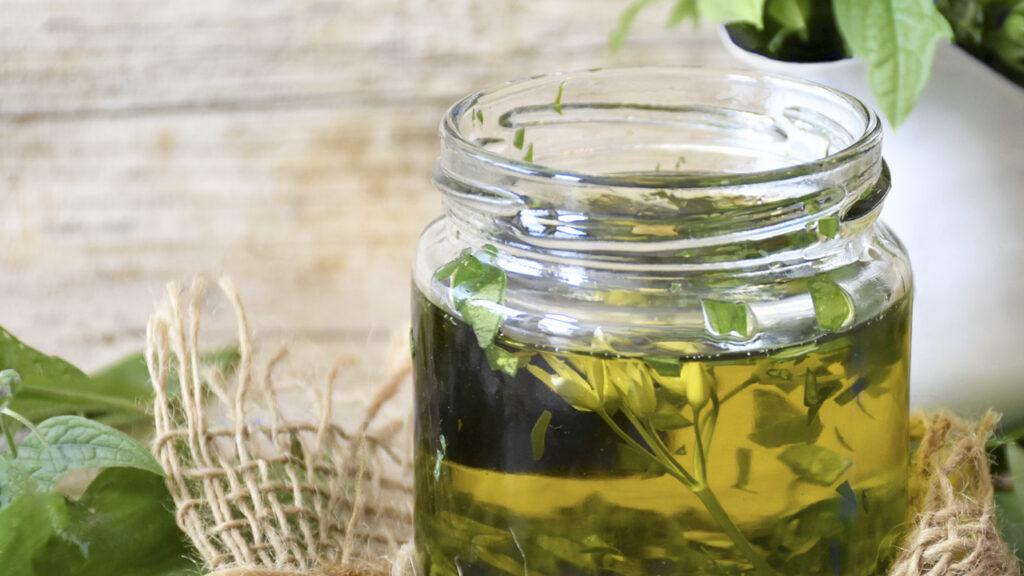
Ingredients:
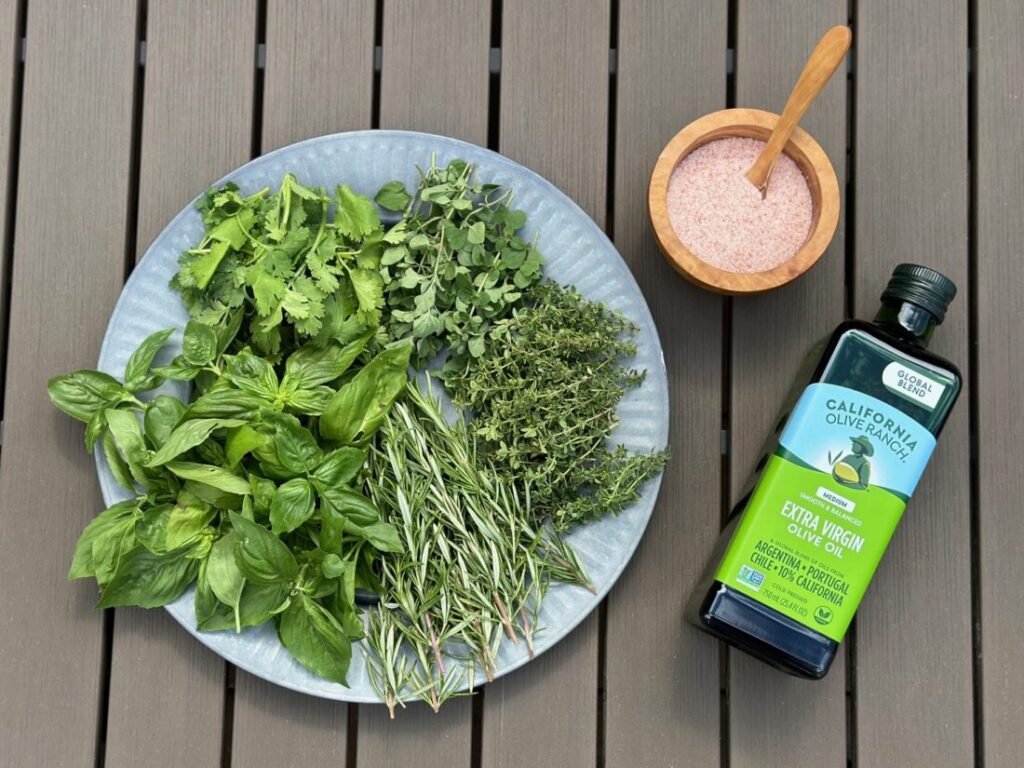
- Fresh herbs (e.g., basil, thyme, oregano, rosemary, parsley, cilantro, dill, chives, mint)
- Neutral or flavored oil (e.g., olive oil, avocado oil, grapeseed oil)
- Optional: lemon juice or vinegar for acidity
Equipment:
- Sharp knife or herb scissors
- Clean glass jars or airtight containers
- Ice cube trays (for freezing)
- Paper towels or salad spinner
- Labels and markers
Step-by-Step: How to Store Herbs in Oil
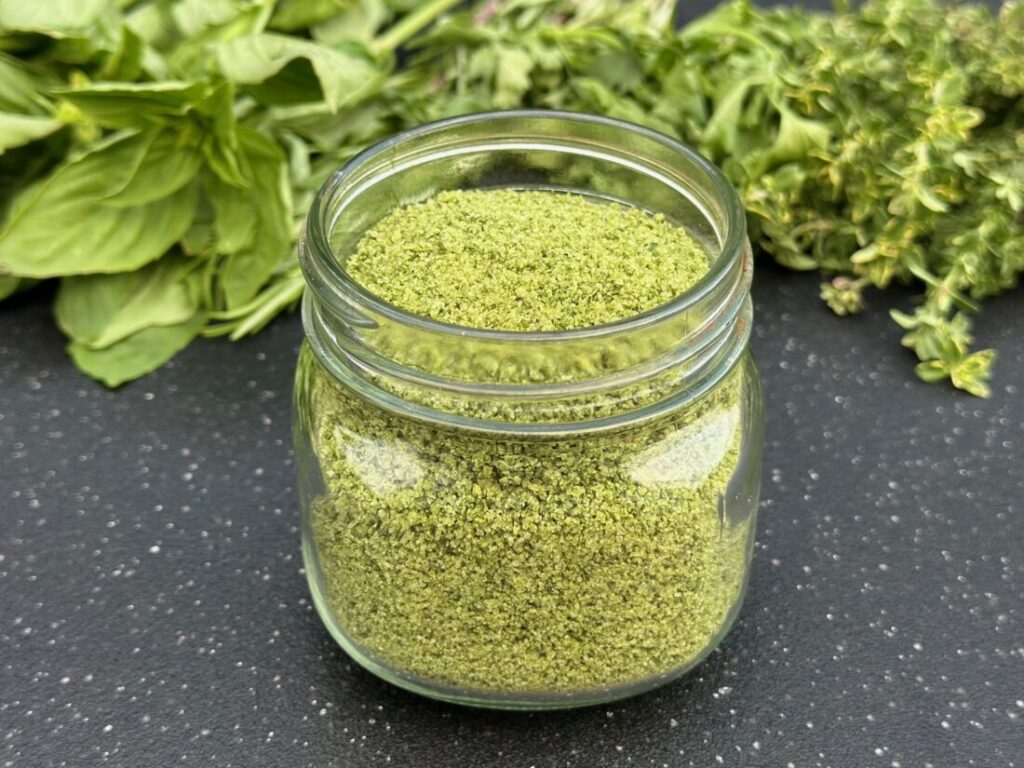
Step 1: Choose and Prepare Herbs
Pick fresh, vibrant, undamaged herbs. Wash them thoroughly under cold water to remove dirt or bugs.
Dry thoroughly using a salad spinner and paper towels. Excess moisture can lead to spoilage and promote bacterial growth, so this step is crucial.
Step 2: Chop or Process the Herbs
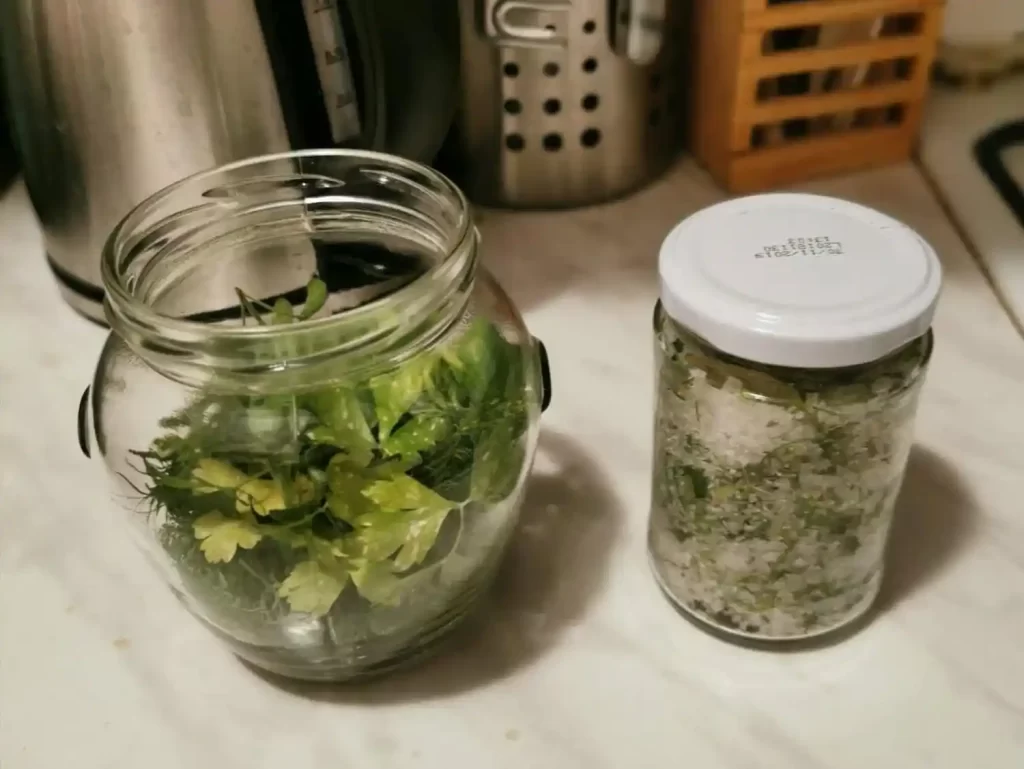
Chop the herbs finely with a knife, or pulse in a food processor for even distribution.

You can store:
- Single herbs (like basil or rosemary), or
- Herb blends (like Italian mix: oregano, thyme, and parsley)
Keep them roughly chopped—not a paste—unless you’re making a purée-based oil.
Step 3: Mix Herbs with Oil
Transfer herbs to a clean, dry container or ice cube tray. Pour oil over the herbs to fully submerge them.
Recommended ratios:
- 1 part herbs to 2–3 parts oil, depending on desired concentration
- For stronger flavor, increase herb-to-oil ratio
Optional: Add a splash of lemon juice or vinegar to acidify (especially important if storing in the fridge for more than a few days).

Stir gently to release air bubbles.
Step 4: Choose a Storage Method
Method 1: Freeze in Ice Cube Trays (Best for Long-Term Storage)
- Pour the herb-oil mixture into each section of an ice cube tray.
- Freeze until solid (usually overnight).
- Pop out cubes and transfer to a freezer-safe bag or container.
- Label with the herb type and date.
Freezer Life: Up to 6 months
Best For: Cooking, stir-fries, pasta, roasted veggies, soups
Tip: Use individual trays for different herbs to avoid flavor overlap.
Method 2: Refrigerate in a Glass Jar (Short-Term Use Only)
Pour the mixture into a sterilized glass jar, seal tightly, and store in the refrigerator.
Fridge Life: 3–5 days (7 days max if acidified)
Best For: Salad dressings, fresh toppings, quick use in daily meals

Never store at room temperature due to botulism risk.
How to Use Herb-Infused Oil Cubes
You can drop a cube directly into a hot pan or skillet, stir into hot grains, or use for marinades and dressings.
| Herb | Flavor Pairings |
|---|---|
| Basil | Tomatoes, pasta, tofu, pizza |
| Rosemary | Potatoes, carrots, lentils |
| Thyme | Mushrooms, grains, soups |
| Cilantro | Rice, beans, tacos, dressings |
| Parsley | Hummus, lemon dishes, tabbouleh |
| Dill | Cucumbers, yogurt alternatives, dips |
Tips for Best Results
- Use neutral oil (like grapeseed or light olive oil) for cooking.
- Use extra-virgin olive oil for flavor-intense applications.
- Label everything: date, herbs used, oil type.
- Avoid overstuffing jars—leave room for oil to fully coat herbs.
- Don’t add garlic to your herb oil unless freezing (garlic in oil can promote botulism).
What NOT to Do
- Do not store herb oil at room temperature.Do not use damp herbs.
- Do not keep longer than 5–7 days in the fridge.
- Do not reuse oil from cooked dishes to store herbs.
- Do not combine fresh garlic with oil unless freezing.
Storage At a Glance
| Storage Method | Shelf Life | Use | Safety Notes |
|---|---|---|---|
| Freezer (Ice Cubes) | 6 months | Cooking, sautéing | Safest method |
| Refrigerator (Jar) | 3–5 days | Toppings, marinades | Use dry herbs and acidify |
| Room Temperature | Not safe | Do not store | Botulism risk |
Flavor-Boosting Ideas
Here are a few creative combinations you can make and store:
Basil-Garlic (frozen only)
Great for Italian dishes, pizza, and pasta sauces.
Cilantro-Lime
Blend with avocado oil for a zesty taco topping.

Thyme-Rosemary-Oregano
Perfect for Mediterranean grain bowls and soups.
Dill-Parsley-Lemon
Use in vegan tzatziki, chickpea salad, or dips.
Sustainability & Zero-Waste Bonus
- Use leftover herb stems to make vegetable stock.
- Reuse glass jars and label them with washable pens.
- Frozen cubes reduce the need to rebuy herbs every week.
Final Thoughts
Herbs stored in oil are more than a preservation hack—they’re a tool for faster, smarter, and more flavorful cooking. By following safe, plant-based methods, you can avoid waste, enhance your meals, and keep fresh flavor on hand year-round.
Whether you’re meal prepping or just tired of tossing wilted parsley, this method gives your herbs a second life—infused with flavor and safely stored for every delicious dish ahead.