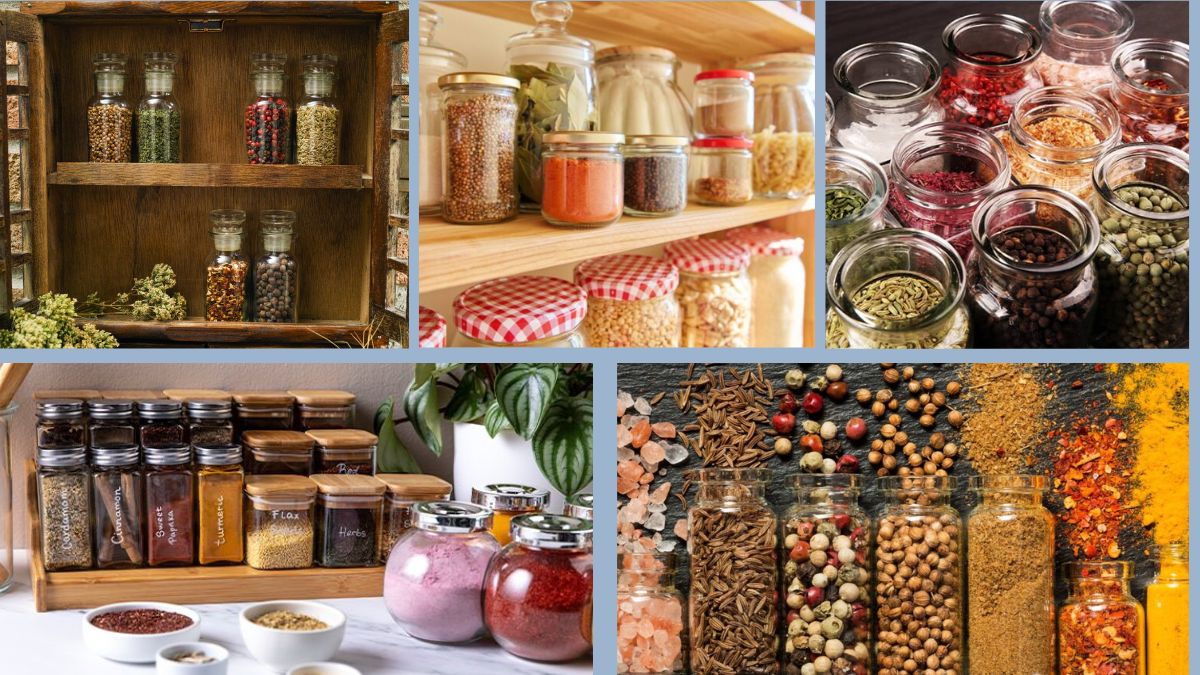
Spices are the heart of plant-based cooking. From turmeric and cumin to paprika and cinnamon, they bring life, warmth, and personality to every dish. However, if your spices are improperly stored, their vibrant aroma and flavor can quickly fade, diminishing your culinary creations.
So how can you store spices to ensure they stay fresh, potent, and safe for as long as possible—without any non-veg additives or contamination?
This guide explores everything you need to know about storing spices the right way—from ground blends to whole seeds—so your dishes always shine with authentic, plant-powered taste.
Why Proper Spice Storage Matters
When spices are stored poorly, they can lose their:
- Flavor potency
- Aromatic oils
- Color vibrancy
- Health-boosting compounds (like curcumin in turmeric or capsaicin in chili)
Improper storage can even lead to moisture absorption, mold growth, or infestation by insects.

By storing spices correctly, you’ll:
- Save money by reducing waste
- Improve the taste and smell of your food
- Preserve the nutritional and medicinal benefits of your spices
Know Your Spice Forms
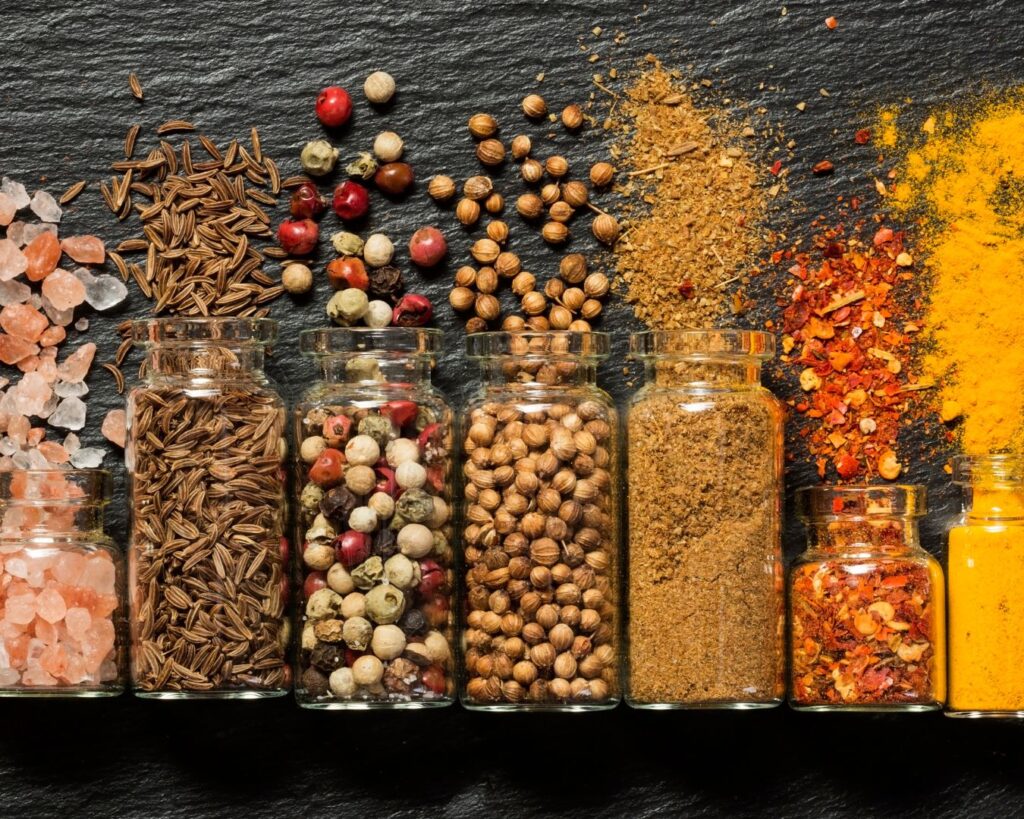
Spices come in two main forms: whole and ground.
| Form | Shelf Life | Benefits |
|---|---|---|
| Whole | 2–4 years | Longer shelf life, more intense flavor when ground fresh |
| Ground | 6–12 months | Convenient, but loses potency faster |
Whenever possible, choose whole spices (like cumin seeds, black peppercorns, or cinnamon sticks) and grind them as needed using a spice grinder or mortar and pestle.
Ideal Storage Conditions for Spices
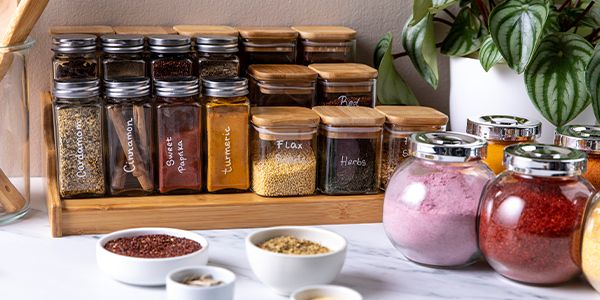
To maintain their potency, spices should be stored in the following conditions:
- Cool: Below 21°C (70°F)
- Dark: Away from light, especially direct sunlight or kitchen lights
- Dry: Moisture is the enemy of spice longevity
- Airtight: Oxygen exposure degrades flavor compounds
Avoid storing spices above the stove, next to the oven, or near the dishwasher—these areas tend to be warm and humid.

Best Containers for Spice Storage
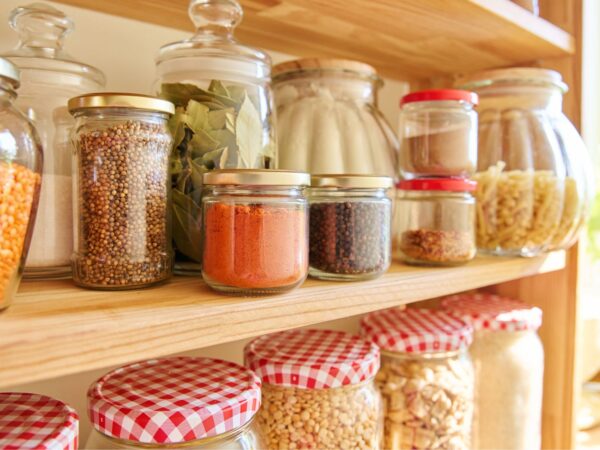
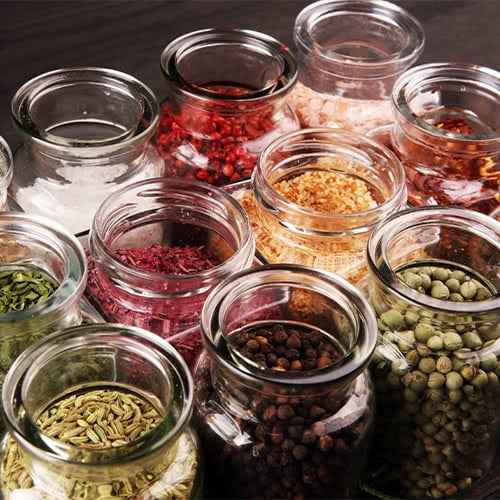
The right container makes a huge difference. Here are the best options:
Glass Jars (Amber or Clear)
- Airtight, non-reactive, reusable
- Amber glass protects from light
- Great for both whole and ground spices
Metal Tins (With Tight Seals)
- Opaque and light-proof
- Ideal for dry storage in drawers
Food-Grade Plastic Jars
- Lightweight but not as airtight or durable as glass
- Avoid long-term use in hot climates
Avoid:
- Cardboard or paper pouches (they absorb moisture and odors)
- Open bowls or shakers exposed to air
Organizing Your Spice Collection
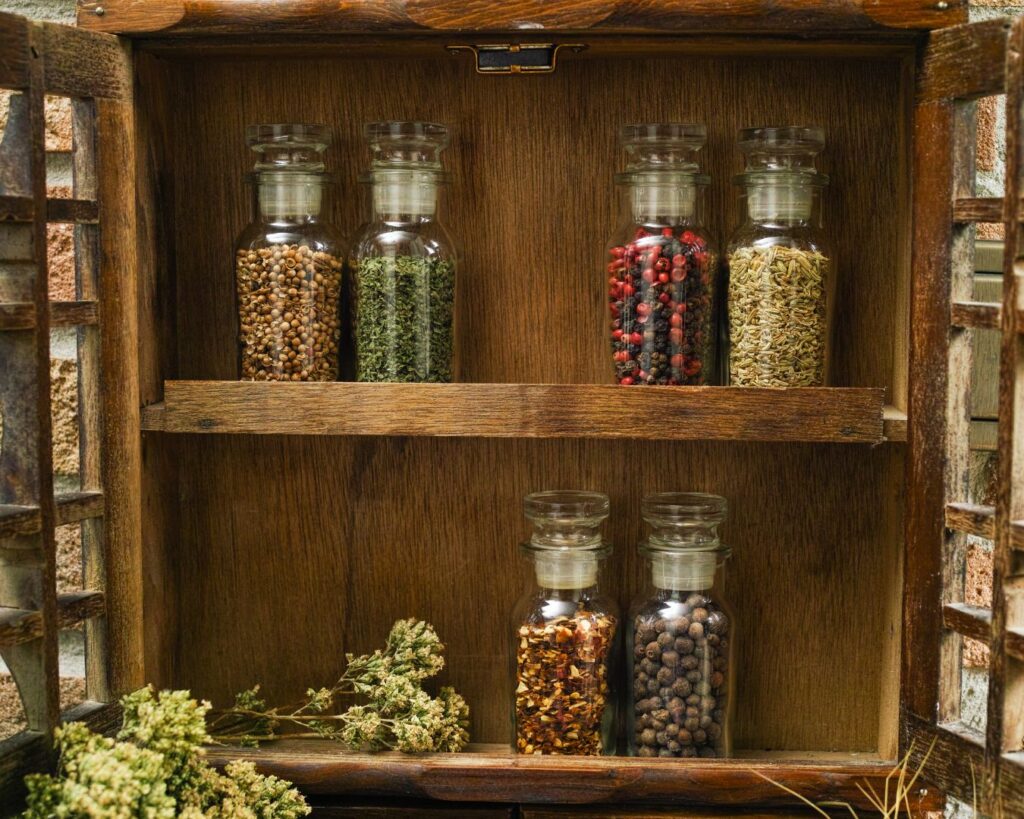
A cluttered spice cabinet leads to forgotten jars and expired seasonings. Organize your spices for easy access and better longevity:
Tips for Organization:
- Use labels with names and dates (e.g., “Ground Turmeric – Opened Jan 2025”)
- Group spices by cuisine (e.g., Indian, Italian, Middle Eastern)
- Store frequently used spices at eye level
- Use lazy Susans, spice drawers, or magnetic spice racks on the fridge
Bonus Tip: If you buy in bulk, transfer only a small amount to a jar for daily use and keep the rest sealed in the freezer or pantry.
Can You Freeze or Refrigerate Spices?
Generally, spices are best stored at room temperature, but there are a few exceptions:
Freezing (for Bulk Storage)
- Works well for whole spices
- Prevents insect infestation
- Store in vacuum-sealed or zip-top bags with minimal air
Refrigeration
- Not recommended—it can cause condensation when the jar warms up, introducing moisture
Spice-Saving Tips for Plant-Based Cooks
Tip 1: Toast Whole Spices
Just before use, toast spices (like cumin, coriander, mustard seeds) in a dry pan to enhance aroma and flavor. Do this just before grinding.

Tip 2: Avoid Dipping Wet Spoons
If you’re cooking a curry and want to add spices, don’t dip a damp spoon into your spice jar—moisture will ruin your spice.
Instead:
- Use a dry measuring spoon
- Pre-measure spices before cooking
Tip 3: Batch Your Spice Blends
Create custom blends (like garam masala, taco seasoning, or ras el hanout) and store in small jars. Label clearly and store away from light.
Tip 4: Buy What You’ll Use
It’s tempting to buy large amounts of exotic spices, but they lose strength over time. Purchase small quantities more frequently for best results.
How to Tell If a Spice Has Gone Bad
Spices rarely become dangerous to eat, but they can lose all flavor and aroma. Here’s how to test them:

The Sniff Test
Rub a pinch between your fingers and inhale deeply. If it smells weak, stale, or dusty—it’s time to replace.
The Look Test
Check for:
- Faded color
- Clumping or moisture
- Mold or bugs
General Shelf Life Chart
| Spice Type | Whole | Ground |
|---|---|---|
| Turmeric | 2–3 years | 6–12 months |
| Cinnamon sticks | 3–4 years | 6–12 months |
| Cumin seeds | 2–3 years | 6–9 months |
| Paprika | 2 years | 6 months |
| Cloves (whole) | 3–4 years | 12 months |
| Nutmeg (whole) | 3–4 years | 12 months |
Pro Tip: Write the opening date on every spice jar to track freshness.
How Fresh Spices Elevate Plant-Based Dishes
In plant-based cooking, you’re often building depth and complexity with layers of spice rather than meat or dairy. Fresh, potent spices can:
- Transform humble vegetables into stunning entrées
- Boost health with antioxidant-rich compounds
- Make sauces, dips, and dressings more vibrant
- Turn basic grains or legumes into bold-flavored meals
Example: Chickpeas Three Ways with Spices
| Dish | Key Spices |
|---|---|
| Moroccan chickpea stew | Paprika, cumin, cinnamon |
| Indian chana masala | Garam masala, turmeric, coriander |
| Mediterranean salad | Oregano, sumac, chili flakes |
Final Thoughts: Spice Smart, Cook Bold
Spices are small but mighty flavor tools. When stored properly—away from heat, light, moisture, and air—they can last for years while preserving their punch.

By using airtight containers, labeling dates, choosing whole spices when possible, and avoiding damp conditions, you’ll build a plant-based pantry that’s always ready to deliver flavor.
So, whether you’re crafting a creamy curry, a spiced lentil soup, or roasted cauliflower steaks—your spices will do the heavy lifting when kept fresh and potent.