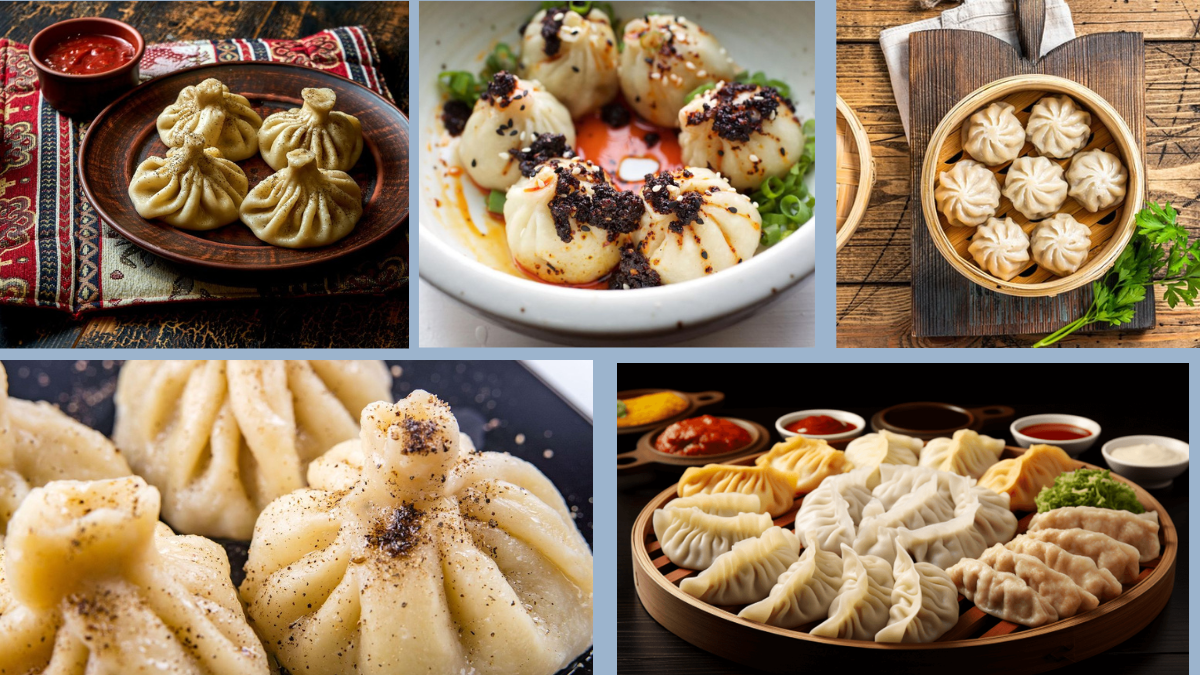
Dumplings are bite-sized pockets of joy, loved around the world for their comforting textures and rich flavors. Steamed, boiled, pan-fried, or baked, these versatile delights come in hundreds of varieties — and in both meat and plant-based forms. But among all dumpling-loving nations, one question stands out:
Which country eats the most dumplings in the world?
Answer: China.
China is the undisputed global leader in dumpling consumption — both in terms of volume and variety. Dumplings are deeply rooted in Chinese culture and cuisine, appearing everywhere from daily meals to festive banquets. And while meat fillings are common, vegetarian dumplings hold an equally honored place on the Chinese table, often made with tofu, mushrooms, chives, cabbage, and glass noodles.
In this article, we’ll explore:
- The origins and cultural importance of dumplings
- Why China leads the world in dumpling consumption
- Popular vegetarian dumpling varieties in China and beyond
- Dumpling traditions in other countries
- Health benefits of vegetarian dumplings
- Global dumpling trends and fun facts
Let’s unwrap the story — one dumpling at a time.
What Exactly Is a Dumpling?
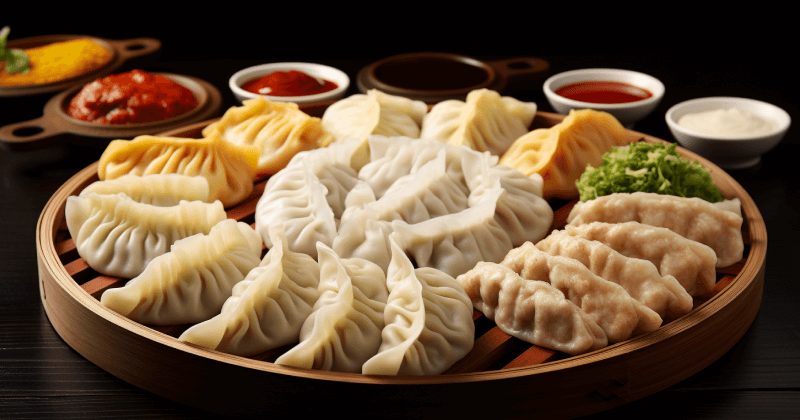
A dumpling is essentially dough wrapped around a filling. It can be:
- Savory or sweet
- Steamed, fried, boiled, or baked
- Made with wheat flour, rice flour, or even tapioca starch
The filling possibilities are endless — especially for vegetarian eaters. Dumplings are celebrated not only for their flavor but for their symbolism of wealth, unity, and happiness, especially in East Asian cultures.
Why China Eats the Most Dumplings in the World
Historical Roots
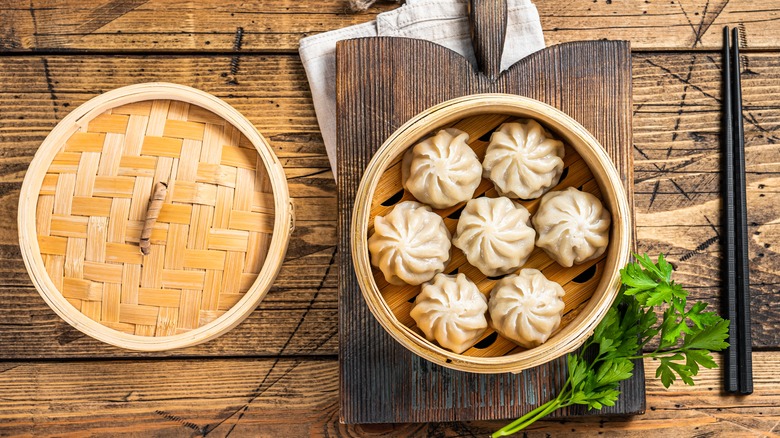
Dumplings, or jiaozi (饺子), have been part of Chinese cuisine for over 1,800 years. Legend credits their invention to Zhang Zhongjing, a Chinese physician who created them during the Han Dynasty to help people stay warm and nourished in winter.
Dumplings and Culture
In China, dumplings are:
- A must-have dish during Lunar New Year
- Eaten to celebrate family reunions, births, and holidays
- Symbolic of good fortune due to their resemblance to ancient gold ingots
Daily Consumption
- Dumplings are a daily staple across many regions, especially in the north.
- Cities like Beijing, Harbin, and Xi’an are dumpling hotspots.
- According to estimates, millions of dumplings are eaten daily in China alone.
And importantly, vegetarian dumplings have long been part of Buddhist traditions and are widely enjoyed in households seeking lighter or plant-based meals.
Popular Vegetarian Dumplings in China
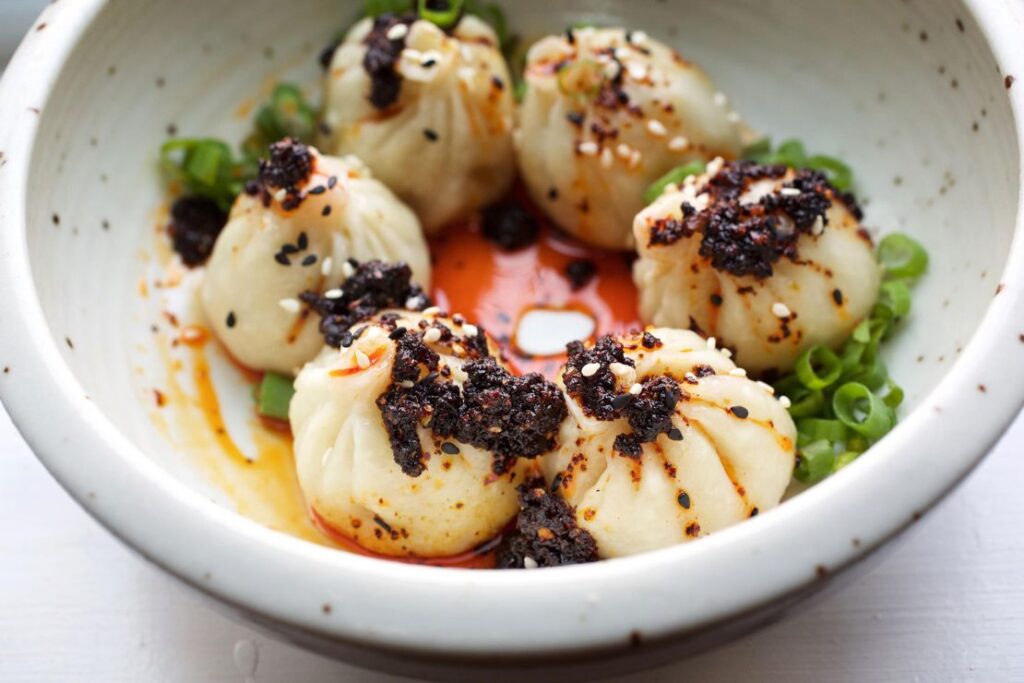
While pork, shrimp, and beef may dominate menus, there is a rich world of meatless dumplings in Chinese cuisine:
Cabbage and Mushroom Dumplings
Minced napa cabbage, shiitake mushrooms, tofu, and sesame oil combine for a deeply savory, umami-rich filling.
Chive and Egg Dumplings
A popular choice among vegetarians, especially in northern China. The mixture is lightly seasoned and often includes glass noodles.
Carrot and Tofu Dumplings
Grated carrots, soft tofu, ginger, and garlic are wrapped in thin dough for a colorful and nutritious snack.
Sweet Potato and Spinach Dumplings
Often seen in Buddhist temples, this creative variation is sweet, salty, and nourishing.
Dumplings Around the World (Vegetarian-Friendly Highlights)
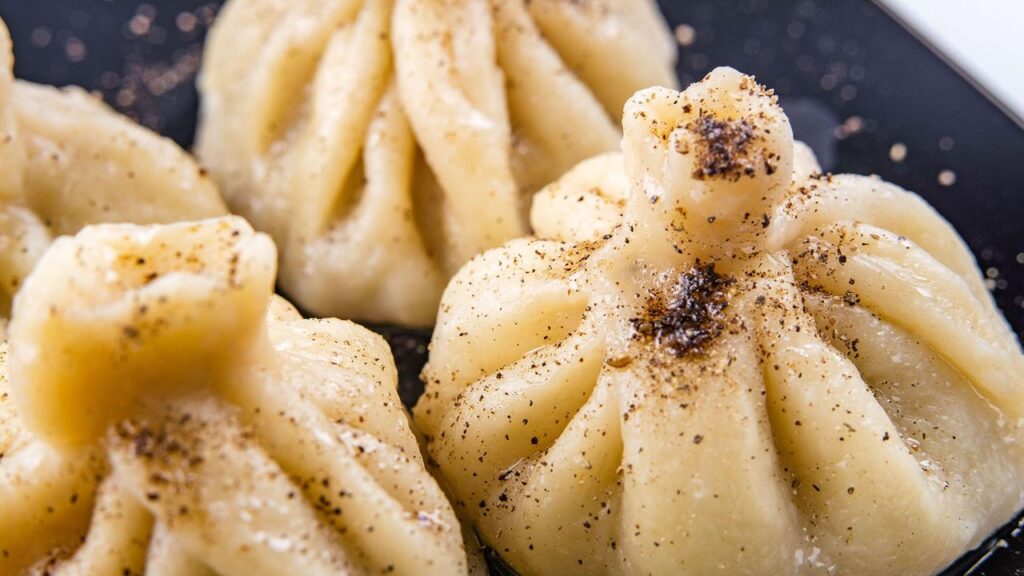
Though China leads the way, dumplings are a beloved food in many cultures. Let’s explore some vegetarian dumpling options across the globe:
Japan – Gyoza
Japanese gyoza are thinner and crispier than Chinese dumplings. Vegetarian fillings include:
- Cabbage
- Shiitake mushrooms
- Tofu
- Garlic chives
Typically pan-fried for a crispy bottom, then steamed to finish.
Korea – Mandu
Korean dumplings often use glass noodles and vegetables:

- Kimchi mandu (with fermented cabbage)
- Tofu and scallion-filled mandu
Served in soups or steamed as snacks.
Nepal – Momos
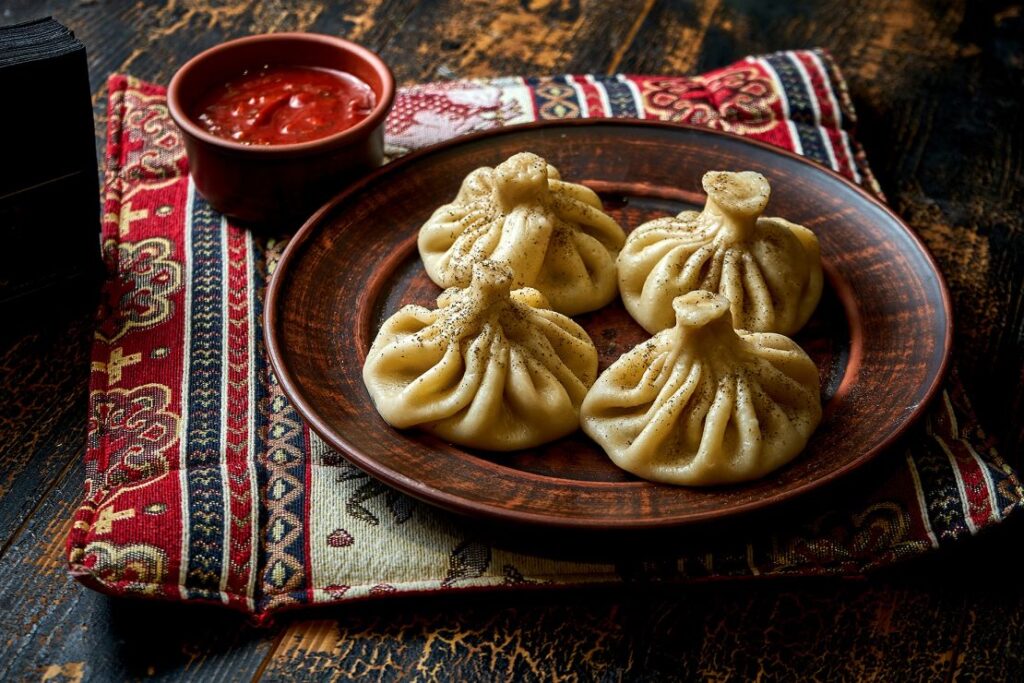
Originally from Tibet and popular across Nepal and Northern India, momos are:
- Steamed or fried
- Filled with cabbage, onions, carrots, and cheese
- Often served with spicy tomato chutney
India – Gujiya / Modak
India’s version of dumplings includes:
- Modak – A sweet dumpling made with rice flour, coconut, and jaggery (a favorite of Lord Ganesha)
- Gujiya – A deep-fried sweet dumpling stuffed with khoya (milk solids), nuts, and dried fruits
Though not savory, these dumplings show India’s creative take on dough-based treats.
Italy – Ravioli
Italian ravioli are pasta dumplings stuffed with:
- Ricotta and spinach
- Mushrooms and herbs
- Pumpkin and sage
Served with olive oil or tomato sauce for a delicious vegetarian main.
Poland – Pierogi
Eastern Europe’s beloved dumpling, pierogi, comes with vegetarian fillings like:
- Potato and cheese
- Sauerkraut and mushroom
- Lentils or spinach
Boiled or fried, and topped with sour cream or caramelized onions.
Health Benefits of Vegetarian Dumplings
Not only are vegetarian dumplings satisfying and tasty — they can be surprisingly nutritious:

- Rich in fiber and antioxidants from vegetables
- Low in saturated fat, especially when steamed
- High in plant-based protein when filled with tofu or lentils
- Customizable for gluten-free, low-carb, or low-sodium diets
Paired with dipping sauces made from soy sauce, vinegar, and chili oil — vegetarian dumplings are the perfect fusion of flavor and health.
How Dumplings Are Made
While shapes and techniques vary, the dumpling-making process follows a similar rhythm:
- Dough – Typically made with flour and water, kneaded and rolled into thin wrappers
- Filling – Fresh vegetables, tofu, herbs, and seasonings
- Shaping – Folded into half-moons, pleated crescents, or round parcels
- Cooking – Steamed in bamboo baskets, pan-fried (potstickers), boiled in broth, or deep-fried
In many cultures, making dumplings is a family or community activity, especially during holidays or special events.
Dumpling Trends Worldwide
- Frozen vegetarian dumplings are now a top seller in supermarkets across the U.S., U.K., and Australia.
- Plant-based dumpling brands are booming, including those using mushroom-based “meat” or soy protein.
- Restaurants in major cities offer vegan dumpling menus.
- Cooking influencers and TikTok chefs are turning dumpling folding into a viral art form.
Dumplings have truly evolved into a global comfort food, and vegetarian versions are leading the charge.
Fun Facts About Dumplings
- China holds the world record for the largest dumpling ever made, weighing over 100 kg!
- There’s a superstition in China that putting a coin inside one dumpling brings wealth to whoever finds it.
- Dumpling wrappers are now available in rainbow colors, made using beet juice, spinach, turmeric, and purple cabbage.
- The world celebrates International Dumpling Day on September 26th.
Conclusion: Dumpling Love, Led by China — and Going Green
So, which country eats the most dumplings in the world? China, hands down. From tradition-rich jiaozi to temple-made veggie dumplings, the Chinese have elevated dumpling-making to an art form and daily ritual.
But the rest of the world is catching up — especially with the surge in plant-based diets and a growing love for meatless, sustainable food. Vegetarian dumplings offer a perfect balance of taste, nutrition, and tradition, whether steamed on a cold day or pan-fried for a crispy treat.

One thing is certain: No matter where you’re from, there’s a vegetarian dumpling waiting to be enjoyed — folded with care, flavored with love, and filled with goodness.