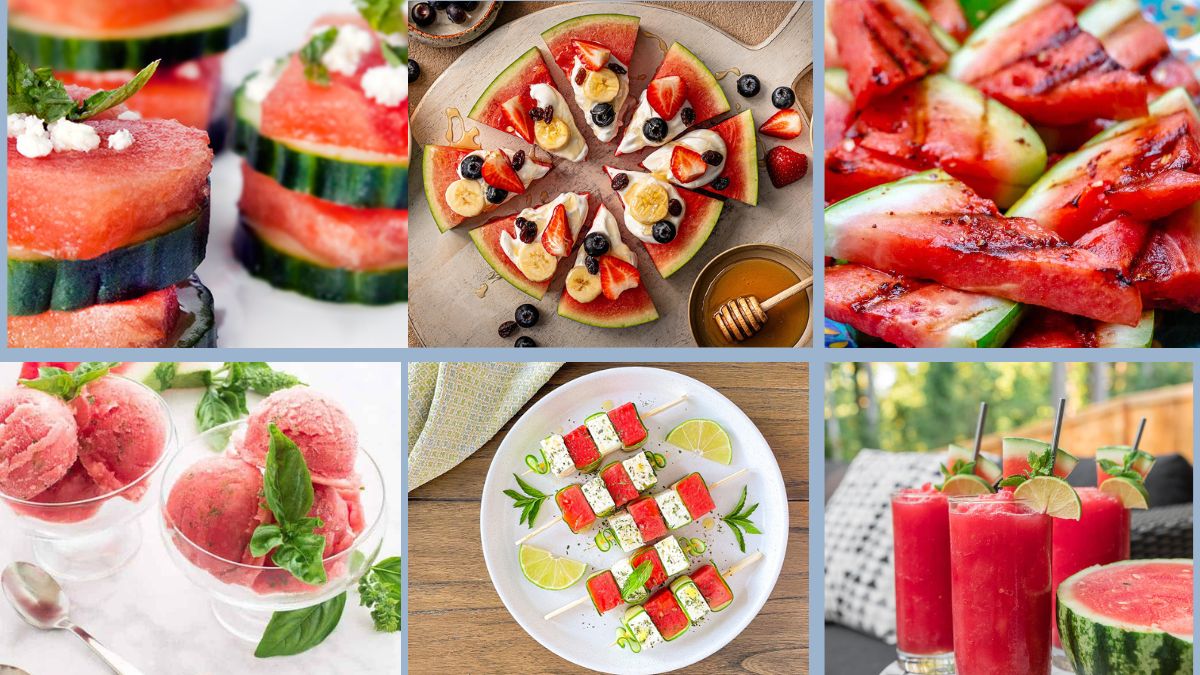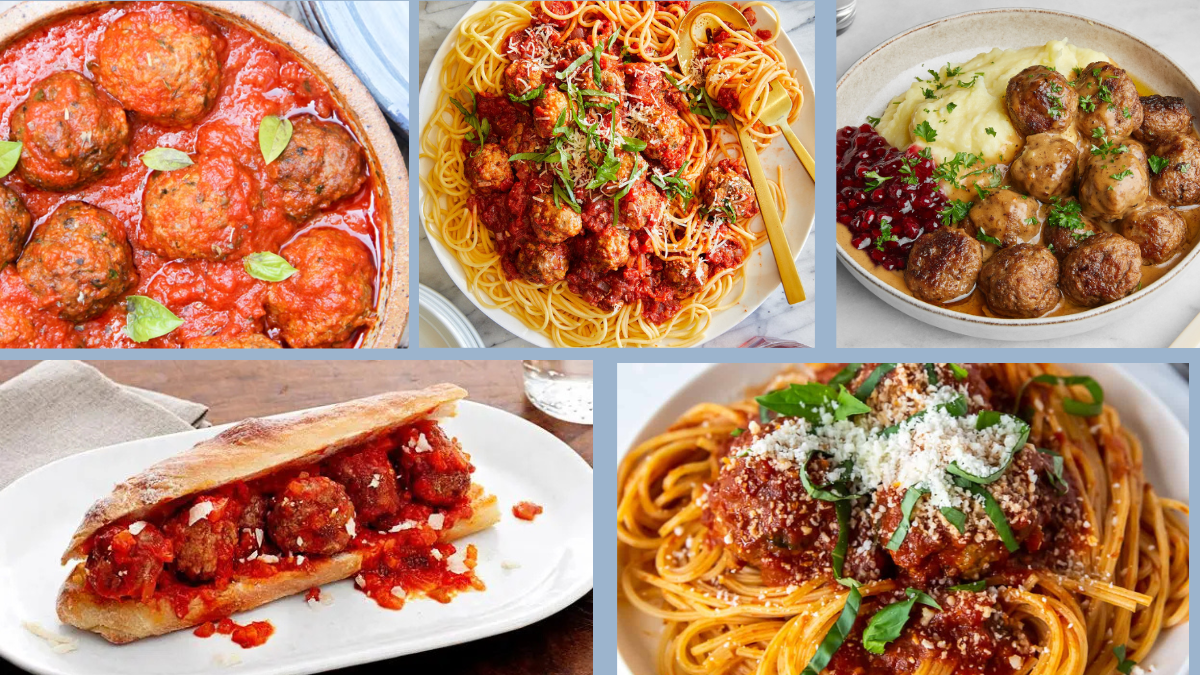
From spaghetti dinners in Italy to street food stalls in Sweden, meatballs have captured the culinary hearts of millions. They’re comforting, versatile, and found in many cultures. But have you ever wondered: Which country eats the most meatballs in the world?
Answer: Sweden and the United States lead the way — with Sweden taking the top cultural spot, and the U.S. consuming the most in volume.
But don’t be fooled by the name. Today’s “meatballs” are not limited to meat. In fact, vegetarian and plant-based meatballs are gaining tremendous popularity across the globe, making this iconic dish more inclusive than ever.
In this article, we’ll take a delicious journey through:
- The origin and global rise of meatballs
- Why Sweden and the U.S. top the charts
- The rise of vegetarian and vegan meatballs
- Popular global variations
- Recipes and health benefits of plant-based versions
- Fun facts and future trends
Let’s roll into the flavorful world of meatballs — minus the meat.
A Brief History of Meatballs
Meatballs have ancient roots. Historians trace them back to:
- Ancient Persia (kofta, made with ground ingredients and spices)
- Roman cuisine, where finely chopped foods were shaped and cooked
- Medieval Europe, where minced meat and grains were bound and fried
Over time, nearly every culture developed its own version — using local spices, herbs, and proteins. Today, “meatballs” include everything from falafel (chickpea balls) to lentil-based versions — proving the concept goes far beyond meat.
Why Sweden is Known for Meatballs
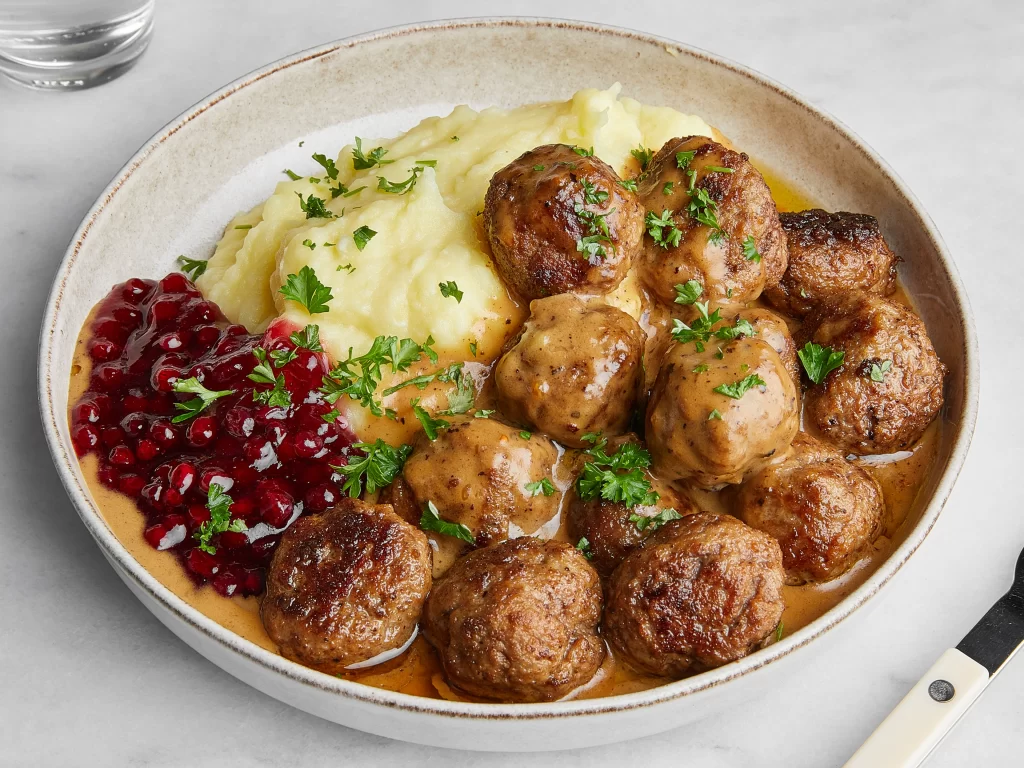
Ask anyone what dish they associate with Sweden, and chances are they’ll say Swedish meatballs. Known locally as köttbullar, these small, spiced balls are a national culinary symbol.
Cultural Significance:
- Traditionally made with cream, breadcrumbs, onions, and spices
- Served with lingonberry sauce and mashed potatoes
- A staple of Swedish homes, school lunches, and even global brands like IKEA, which sells over 1 billion meatballs annually (including plant-based versions)
Swedes proudly consume meatballs regularly — making it a cultural centerpiece, not just a dish.
Why the United States Leads in Volume
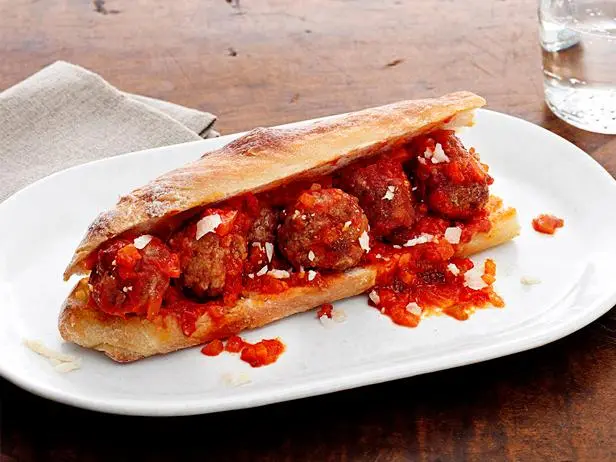
While Sweden leads in tradition, the United States eats the most meatballs by quantity. Why?
Key Reasons:
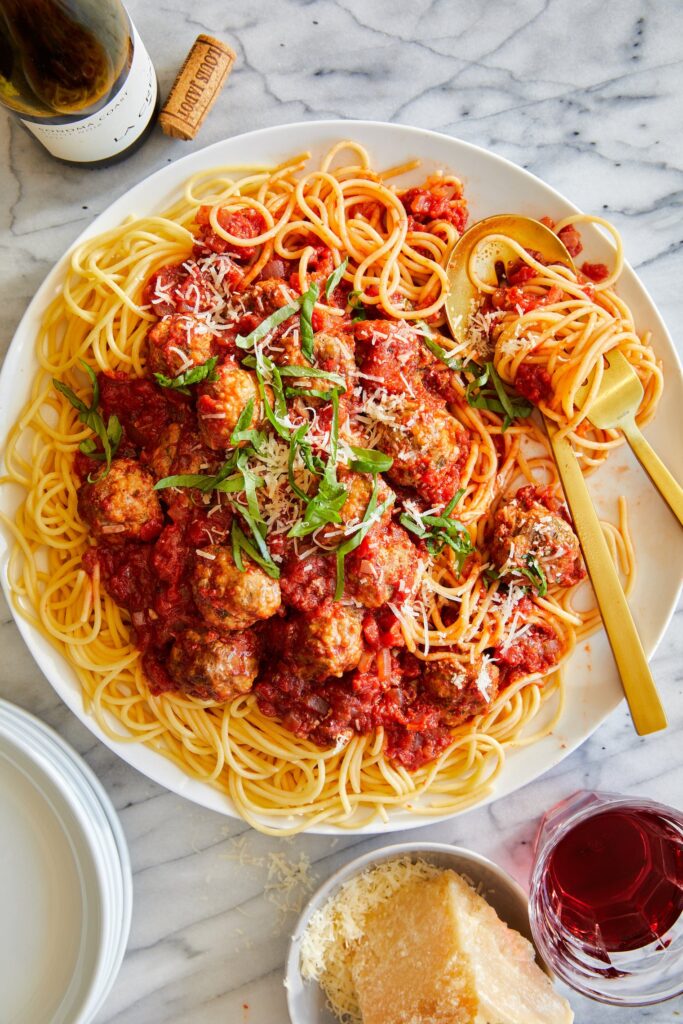
- Italian-American cuisine: Spaghetti and meatballs is a staple dish across the country.
- School cafeterias and home cooking: Meatballs are affordable, easy to make, and widely loved by families.
- Frozen food industry: The U.S. has a massive frozen meatball market, including vegetarian options.
- Plant-based boom: Beyond Meat, Impossible, Gardein, and other brands now offer vegan meatballs, further increasing consumption.
According to market research, the U.S. consumes over 3 billion meatballs per year — a number that’s growing due to plant-based trends.
The Rise of Vegetarian and Vegan Meatballs
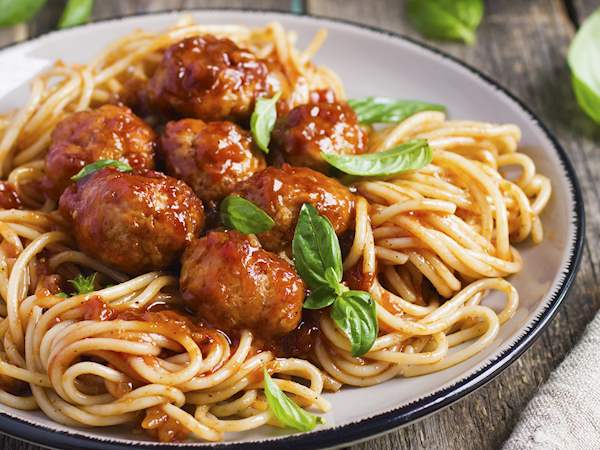
Gone are the days when meatballs had to be made from beef or pork. Thanks to culinary creativity and demand for plant-based options, today’s meatballs can be:
- Lentil-based
- Chickpea or falafel-style
- Mushroom and walnut
- Tofu or tempeh-based
- Soy, pea protein, or seitan “meat” alternatives
These versions are not only cruelty-free but also packed with flavor, fiber, and protein.
Popular Plant-Based Brands:
- IKEA’s Plant Balls (HUVUDROLL): Made with pea protein, oats, potatoes, and apples.
- Beyond Meatballs: Gluten-free, soy-free, and high in protein.
- Gardein Classic Meatless Meatballs: Readily available and perfect with pasta.
- Trader Joe’s Meatless Meatballs: A hit among vegetarians in the U.S.
These options cater to vegetarians, vegans, and flexitarians alike — proving meatballs are no longer about the meat.
Global Vegetarian Meatball Variations
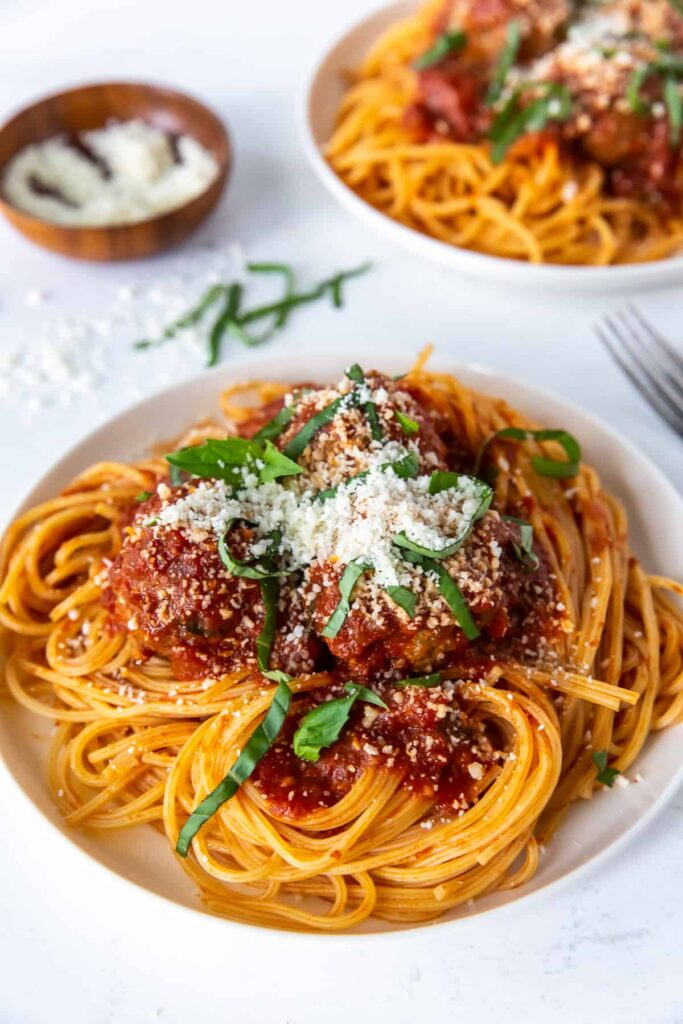
Let’s explore how different countries enjoy their own versions of meatballs — many of which are naturally or easily adapted to vegetarian diets:
Italy – Polpette di Verdure
Traditional Italian meatballs are often baked or fried and made with:
- Ricotta cheese
- Spinach
- Breadcrumbs and herbs
- Sometimes chickpeas or lentils
Served with tomato sauce and pasta or as a standalone snack.
India – Lauki Kofta & Malai Kofta
India offers a rich variety of vegetarian “meatballs”:

- Lauki Kofta: Made from grated bottle gourd and chickpea flour, fried and served in curry.
- Malai Kofta: A rich, creamy North Indian dish with paneer-based balls served in spiced gravy.
Greece – Revithokeftedes
Chickpea fritters or “meatballs” flavored with mint, oregano, and lemon zest.
Similar to falafel, these are crisp, savory, and served with tzatziki or tomato relish.
Turkey – Mercimek Köftesi
A beloved vegetarian dish made from:
- Red lentils
- Bulgur
- Tomato paste
- Herbs and lemon
Served cold as an appetizer or snack.
Indonesia – Bakso Sayur
While bakso is traditionally meat-based, vegetarian versions include tofu, mushroom, and cabbage.
Often served in a clear broth with noodles and spicy sambal.
Easy Vegetarian Meatball Recipes
Lentil & Veggie Meatballs
Ingredients: Cooked lentils, sautéed onions, carrots, garlic, oats, breadcrumbs, parsley
Method: Blend, shape into balls, and bake or pan-fry. Serve with marinara sauce and pasta.
Mushroom-Walnut Balls
Ingredients: Chopped mushrooms, walnuts, breadcrumbs, soy sauce, herbs
Method: Saute, blend, bake. Great for sliders or wraps.

Chickpea & Herb Falafel Balls
Ingredients: Chickpeas, cumin, coriander, cilantro, garlic
Method: Blend and deep-fry or air-fry. Serve with pita, tahini, and salad.
Health Benefits of Going Meat-Free
Vegetarian meatballs are not just ethical — they’re nutritious too:
- High in fiber – promotes digestion and satiety
- Low in saturated fat – heart-healthy
- Cholesterol-free – good for blood pressure
- Rich in plant protein – ideal for energy and repair
- Customizable – gluten-free, soy-free, and low-carb versions possible
And they’re environmentally friendly — helping reduce greenhouse gas emissions compared to traditional meat.
Fun Facts About Meatballs
- IKEA sells 2 million plant-based meatballs per day globally.
- The world’s largest meatball (yes, a veggie version is possible!) weighed over 1,100 pounds.
- In some cultures, a round meatball shape represents prosperity and unity.
- October 9th is celebrated as National Meatball Day in the U.S.
- The word “meatball” has existed in the English language since at least 1809.
Future Trends
As the plant-based food industry grows, expect:
- More global flavors in vegetarian meatballs (think Thai curry, Mexican chipotle)
- Functional ingredients like quinoa, kale, and superfoods
- 3D-printed meatballs using sustainable ingredients
- Innovative pairings — vegan meatballs in bao buns, poke bowls, or ramen!
Plant-based eating is no longer niche — it’s becoming the new normal.
Conclusion: A Global Love Affair with Meatballs — Hold the Meat
Whether you’re in Sweden enjoying a lingonberry-topped plant ball, in India savoring a creamy malai kofta, or in the U.S. eating spaghetti with lentil meatballs, one thing’s for sure — meatballs unite cultures.

While Sweden holds the cultural crown, and the U.S. eats the most by volume, vegetarian meatballs are redefining the dish for the 21st century. Rich in flavor, tradition, and nutrition — without animal products — they prove that delicious doesn’t have to come at a cost.
So next time you’re craving comfort food, roll up your sleeves and roll up some vegetarian meatballs. The world is full of them — and they’re all worth a bite.