
Macaroni and cheese — creamy, cheesy, and irresistibly comforting — is one of the most beloved comfort foods on the planet. Whether baked into a casserole, stirred fresh on the stovetop, or served in gourmet styles at restaurants, this humble dish has achieved international fame.
But have you ever wondered: Which country eats the most macaroni and cheese in the world?
The answer is clear and cheesy: Canada holds the title, even surpassing the United States in per capita consumption of mac and cheese. Surprising, right?
In this article, we’ll explore:
- The origins and evolution of macaroni and cheese
- Why Canada is the global leader in consumption
- How other countries compare
- Vegetarian-friendly variations of the dish
- Health facts and modern trends
- Fun facts that might surprise you
Let’s dive into this delicious topic and explore the world’s obsession with mac and cheese — the ultimate meatless comfort food.
A Brief History of Macaroni and Cheese
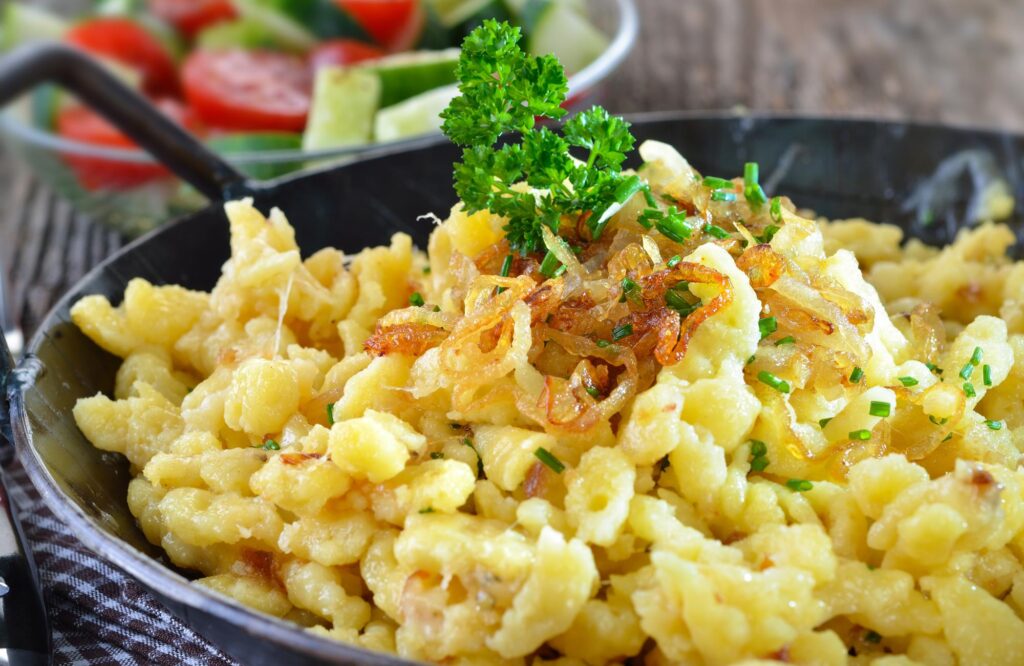
While macaroni and cheese feels modern, its origins date back centuries.
- 13th-century Italy: Recipes resembling mac and cheese appear in early cookbooks, combining pasta sheets with grated cheese.
- 18th-century England: “Macaroni pudding” was a popular dish made with milk, butter, and cheese.
- America: Thomas Jefferson encountered macaroni in Paris and helped popularize it in the U.S., even serving it at White House dinners.
Since then, mac and cheese has taken many forms — from elegant European bakes to boxed varieties found in grocery stores worldwide.
Why Canada Eats the Most Mac and Cheese
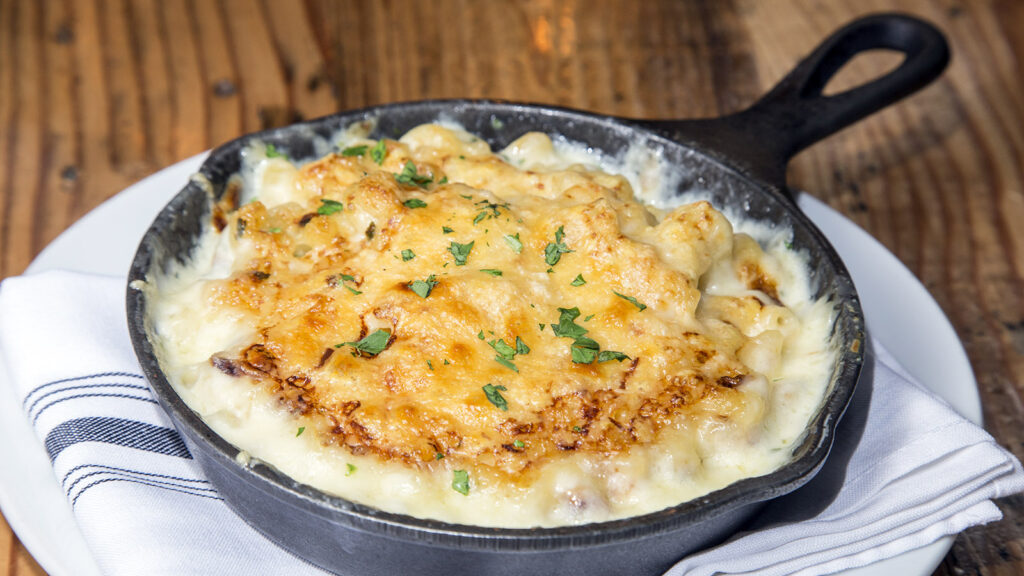
Canada’s love affair with mac and cheese is no secret. In fact, Canadians consume more mac and cheese per capita than any other country in the world — averaging over 55% more than Americans per person.
1. Kraft Dinner (KD): A National Icon
In Canada, boxed mac and cheese is more than a convenience meal — it’s a cultural staple.
- Kraft Dinner (or “KD”) is found in nearly every Canadian household.
- Canadians buy nearly 7 million boxes every week.
- KD has become synonymous with affordability, childhood nostalgia, and quick comfort food.
It’s also extremely vegetarian-friendly — especially when made with dairy or plant-based milk and butter alternatives.
2. Affordability and Accessibility
Mac and cheese is inexpensive, easy to make, and satisfying. For students, families, and workers alike, KD has long been a go-to pantry item.
3. Cultural Nostalgia
Many Canadians grow up eating mac and cheese — at home, school lunches, or even camping. It’s a shared experience that bridges generations.
The United States: The Global Mac and Cheese Innovator
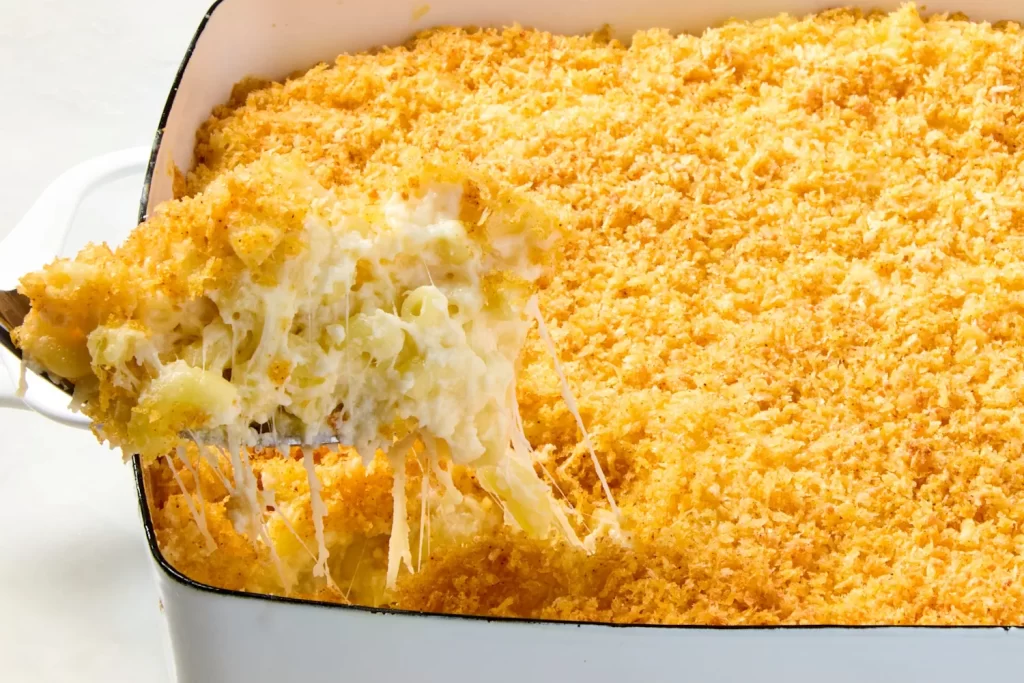
While Canada eats more per person, the U.S. consumes the most mac and cheese in total volume. The dish is a comfort food staple across the country.
How Americans Enjoy Mac and Cheese:
- Southern-style baked mac with breadcrumbs and cheddar (vegetarian versions are widely popular)
- Stovetop mac made creamy with milk, cheese, and butter
- Mac and cheese bars at weddings, festivals, and food trucks
U.S. grocery stores are packed with a variety of mac and cheese styles — boxed, frozen, vegan, gluten-free, truffle-infused, and more.
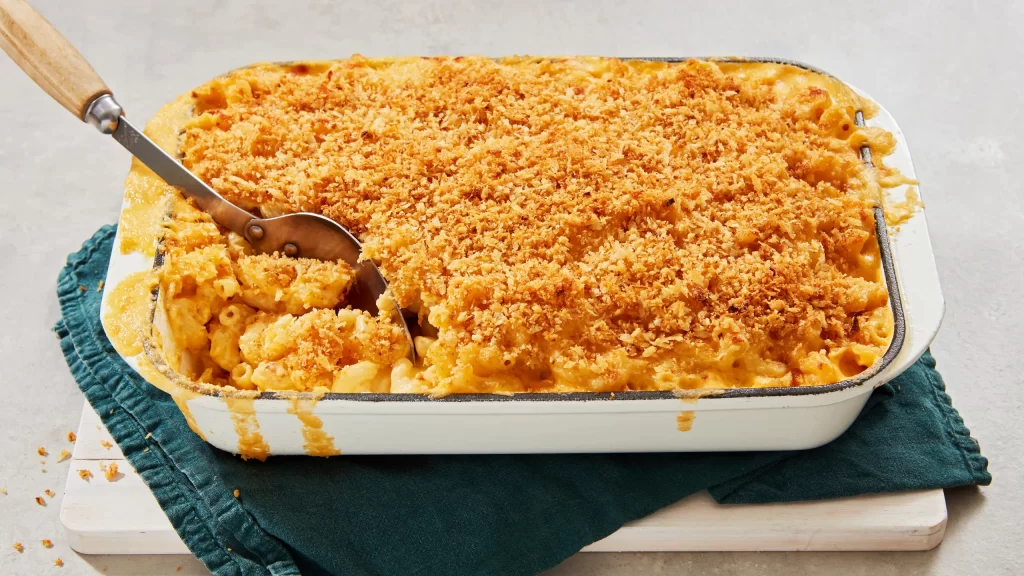
The United Kingdom: Creamy and Cozy
In the UK, mac and cheese (or “macaroni cheese”) is a comfort classic. It’s commonly made with white cheddar, cream, and topped with breadcrumbs.
Vegetarian-friendly variations include:
- Macaroni cheese with leeks and mushrooms
- Cauliflower mac and cheese
- Truffle oil mac with vegetarian cheese
It’s served in pubs, school canteens, and even high-end restaurants across the country.
Mac and Cheese Around the World
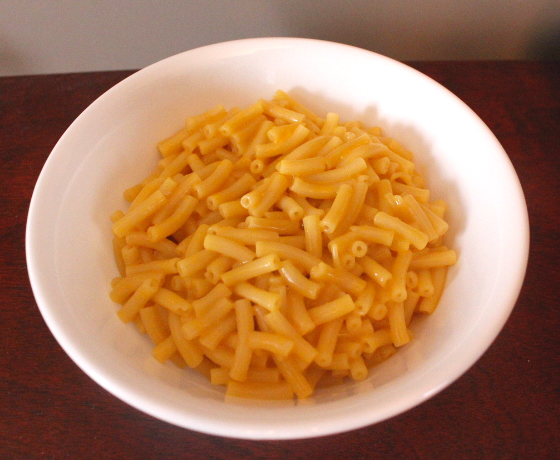
Though its popularity is strongest in North America and the UK, macaroni and cheese has global appeal:

Australia
A growing love for American-style comfort food has made mac and cheese increasingly popular. Supermarkets now carry boxed options, and cafes offer artisanal twists.
India
While traditional Indian cuisine doesn’t include mac and cheese, local adaptations have exploded:
- Masala mac and cheese with garam masala, chili, and turmeric
- Tandoori-flavored mac with bell peppers and paneer
All made vegetarian by default and loved by the growing urban foodie culture.
South Korea
A rising trend in Korea features cheese ramen and cheese-topped pasta, blending Western-style mac and cheese with Korean flavors like gochujang and kimchi.
Vegetarian and Vegan Mac & Cheese
The beauty of macaroni and cheese is its versatility. While traditional recipes rely on dairy, there are many plant-based versions that offer the same creaminess and flavor.
Vegetarian Variations:
- Use rennet-free cheeses (cheddar, mozzarella, gruyère)
- Add sautéed veggies: spinach, broccoli, mushrooms, or caramelized onions
- Mix in herbs like thyme, rosemary, or parsley
Vegan Mac and Cheese:
- Base: Cashew cream, oat milk, or coconut milk
- Cheese flavor: Nutritional yeast, turmeric, garlic powder, mustard
- Thickener: Cornstarch or potato starch
- Extras: Vegan butter, olive oil, vegan cheese shreds
It’s healthy, ethical, and delicious.
Health and Nutrition of Mac and Cheese
Macaroni and cheese isn’t always thought of as healthy — but it can be, especially in vegetarian or vegan forms.

What You Get:
- Carbohydrates from pasta: great for energy
- Protein from cheese or plant-based alternatives
- Calcium and Vitamin D from dairy or fortified vegan milk
- Fiber if using whole wheat or legume-based pasta
To make it healthier:
- Use whole-grain or chickpea pasta
- Add veggies like spinach, peas, or carrots
- Limit salt and heavy cream
- Swap in plant-based milk and butter for a lighter option
Creative Meat-Free Mac and Cheese Variations
Here are some vegetarian mac and cheese ideas from around the world:
| Name | Region | Key Ingredients |
|---|---|---|
| Truffle Mac | USA/France | White truffle oil, mushrooms, aged cheese |
| Masala Mac | India | Garam masala, green chilies, paneer cubes |
| Pesto Mac | Italy-inspired | Basil pesto, cherry tomatoes, mozzarella |
| Kimchi Mac | Korea-inspired | Chopped kimchi, soy sauce, vegan cheese |
| Pumpkin Mac | Fall favorite | Pumpkin puree, sage, nutmeg, oat milk |
Fun Facts About Mac and Cheese
- National Mac & Cheese Day is celebrated on July 14th in the U.S.
- Kraft Mac & Cheese was introduced in 1937 during the Great Depression and sold over 8 million boxes in its first year.
- There’s a Mac & Cheese Ice Cream flavor (yes, really!)
- Canada consumes 1.7 million boxes of KD per week — more than any other country.
- Mac and cheese has even been to space as astronaut food!
The Future of Mac and Cheese
With evolving diets and a global focus on sustainability, mac and cheese is undergoing a flavorful transformation:
- Gluten-free pasta for sensitive stomachs
- Legume-based macaroni for added protein
- Nutritional yeast and cashew-based sauces for cheesy flavor without dairy
- Organic, non-GMO boxed varieties for health-conscious consumers
- Local and seasonal veggie add-ins to increase nutrition and flavor
Mac and cheese is more inclusive than ever — affordable, adaptable, and absolutely delicious, whether you’re plant-based, dairy-free, or somewhere in between.
Conclusion: Canada Wins, But the World Loves Mac and Cheese
Canada proudly holds the crown for the most mac and cheese eaten per person, with Kraft Dinner becoming a cultural icon. But across the globe, this cheesy dish has found new homes, new ingredients, and endless variations.
And the best part? You don’t need meat to enjoy mac and cheese. With vegetarian and vegan options more available than ever, everyone can dig into this creamy classic.

Whether it’s stovetop, baked, spiced, or reinvented, mac and cheese remains one of the world’s favorite comfort foods — and it’s not going anywhere anytime soon.