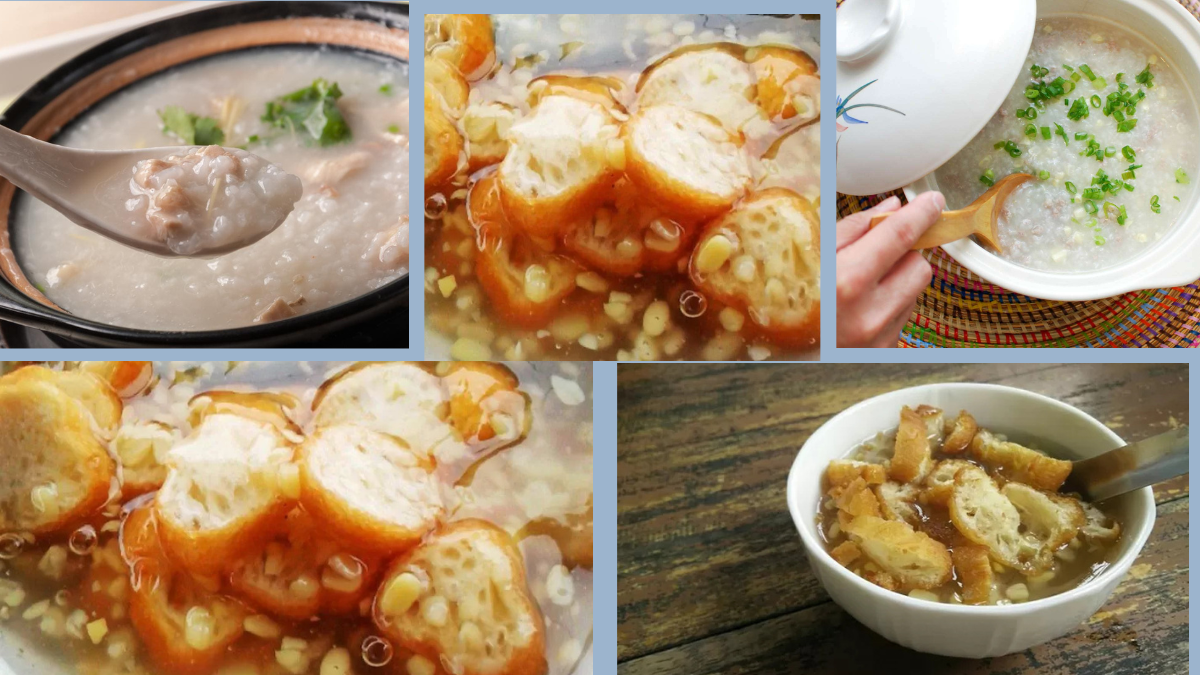
Warm, soothing, and soul-satisfying—congee is more than just a meal. It’s a comfort food, a healing dish, and a daily staple for millions around the world. But the big question is: Which country eats the most congee in the world?
The answer is: China.
Congee, also known as rice porridge or zhou in Mandarin, is an integral part of Chinese cuisine. It’s not just a breakfast item—it’s tradition, culture, and history served in a bowl. In this article, we explore why China leads the world in congee consumption, delve into its vegetarian variations, and highlight how this simple dish connects generations across Asia.
What Is Congee?
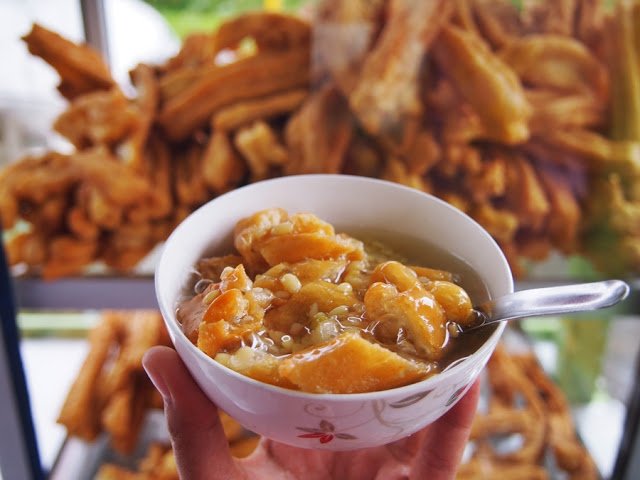
Congee is a slow-cooked rice porridge, made by simmering rice in plenty of water (or broth) until it breaks down into a soft, creamy texture. It can be plain or flavored, sweet or savory, and it’s often garnished with spices, vegetables, herbs, and condiments.
Though its consistency can vary—from thick and creamy to thin and soupy—the core ingredients are always the same: rice and water, making it a natural fit for vegetarian and even vegan diets.
Why China Eats the Most Congee
1. A Staple in Daily Life
In China, congee is not just for the sick or elderly—it’s a daily breakfast for millions. Whether in bustling cities like Shanghai and Beijing or rural provinces in Yunnan and Sichuan, congee is served in homes, street stalls, and restaurants alike.
- For children: easy to digest and gentle on the stomach.
- For elders: soothing and nutritious.
- For busy workers: quick, comforting, and filling.
2. Endless Vegetarian Variations
While congee can be topped with meats or seafood in some regions, there are countless vegetarian congee recipes that are equally beloved:
- Pumpkin Congee – sweet and earthy
- Mushroom Congee – rich umami flavor from shiitake or oyster mushrooms
- Century Egg and Tofu Congee – a traditional favorite without meat
- Lotus Root and Peanut Congee – nutty and warming
- Sweet Red Bean Congee – dessert-style congee
Vegetarian congee is also a go-to dish during religious fasting, temple offerings, or on special days like the Laba Festival, where a wholesome mixed-grain congee is served.
3. Regional Diversity
China is vast, and so is its congee culture. Different provinces have their own versions:
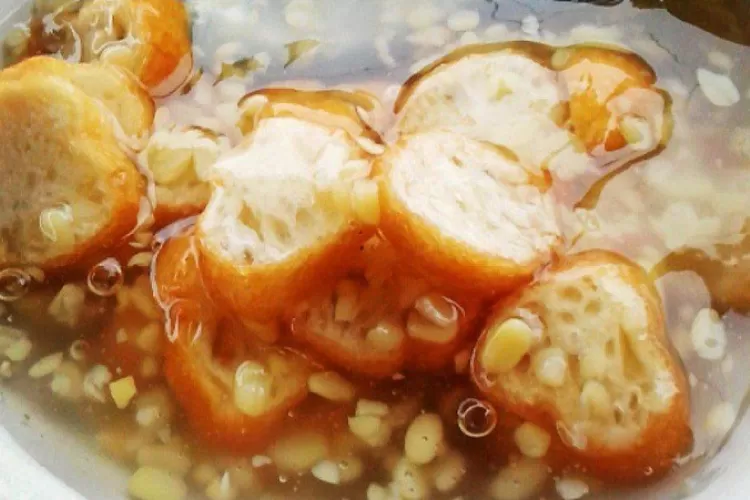
- Guangdong (Cantonese) Congee – smooth and creamy, served with fried dough sticks (youtiao)
- Teochew-style Congee – watery and light, often served with side dishes
- Fujian Sweet Potato Congee – naturally sweet and hearty
This diversity ensures that no matter where you are in China, there’s a congee for every palate—and most are vegetarian-friendly by default.
Who Else Eats Congee?
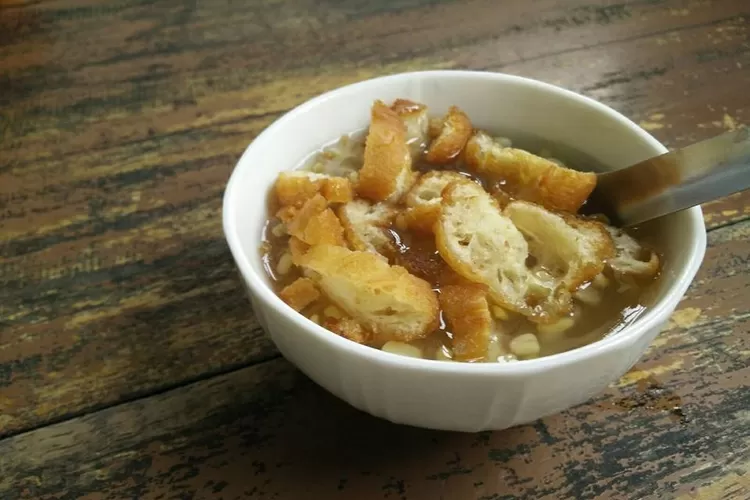
While China leads in consumption, congee is loved across many Asian countries, each with its unique twist.
Thailand – Jok
Thai congee is often seasoned with ginger, garlic, and soy sauce. A vegetarian version includes shiitake mushrooms, spring onions, and crispy fried tofu.

Vietnam – Cháo
Vietnamese congee can be made with mung beans, corn, or taro, often flavored with lemongrass or herbs.
Korea – Juk
Korean juk is often flavored with pumpkin (hobak juk), black sesame, or red bean—perfect for vegetarian diets.
Japan – Okayu
Japanese rice porridge is usually very simple, using short-grain rice with water or dashi broth. It’s served with pickled vegetables or seaweed.
India – Kanji / Ganji / Pej
Southern Indian states like Kerala, Karnataka, and Tamil Nadu have their own rice porridge traditions—often served with coconut, green chili, and tempered spices.
Common Vegetarian Ingredients in Congee
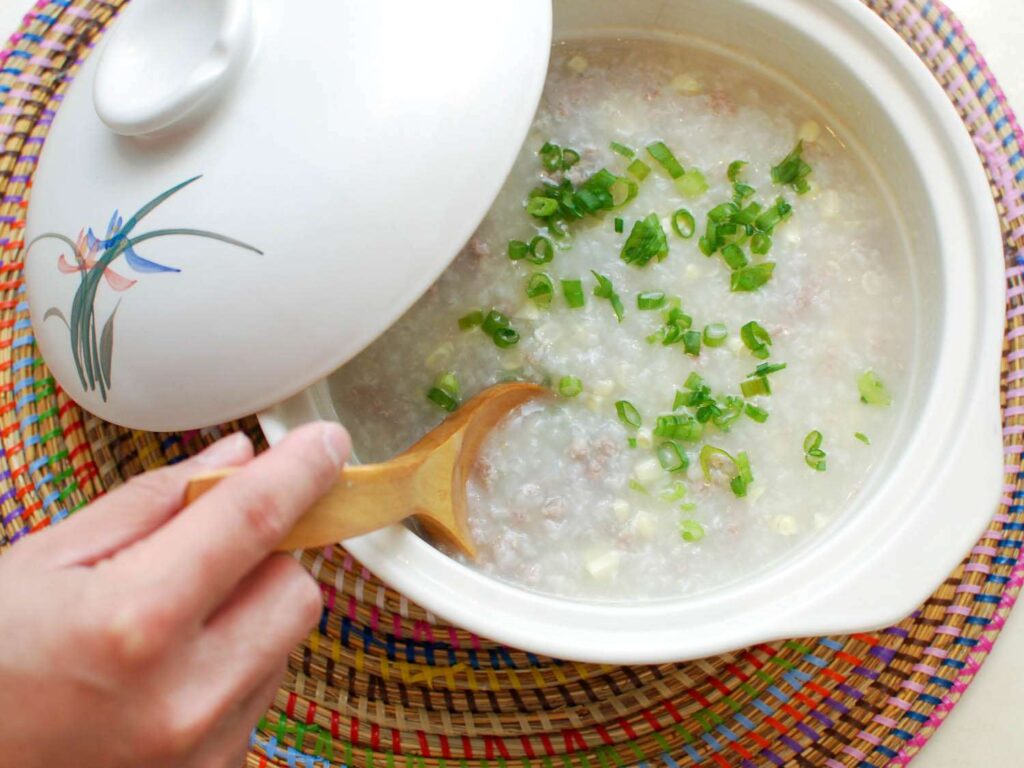
Congee’s beauty lies in its simplicity. Here’s a list of plant-based ingredients used to flavor or enhance vegetarian congee:
| Ingredient | Purpose / Flavor |
|---|---|
| Pumpkin | Sweet, soft texture |
| Mushrooms | Umami, meaty flavor |
| Spinach / Greens | Adds nutrition and color |
| Corn | Natural sweetness |
| Mung Beans | Protein-rich, creamy |
| Lotus Root | Crunch and medicinal value |
| Carrots | Sweet and colorful |
| Ginger & Garlic | Warmth, digestion aid |
| Soy Sauce | Salt and umami flavor |
| Sesame Oil | Fragrant, finishing oil |
| Tofu | Protein and texture |
| Scallions | Freshness and bite |
All of these ingredients are commonly used in China and other countries to make hearty, wholesome vegetarian congee.

Nutritional Value of Vegetarian Congee (Per 1 bowl)
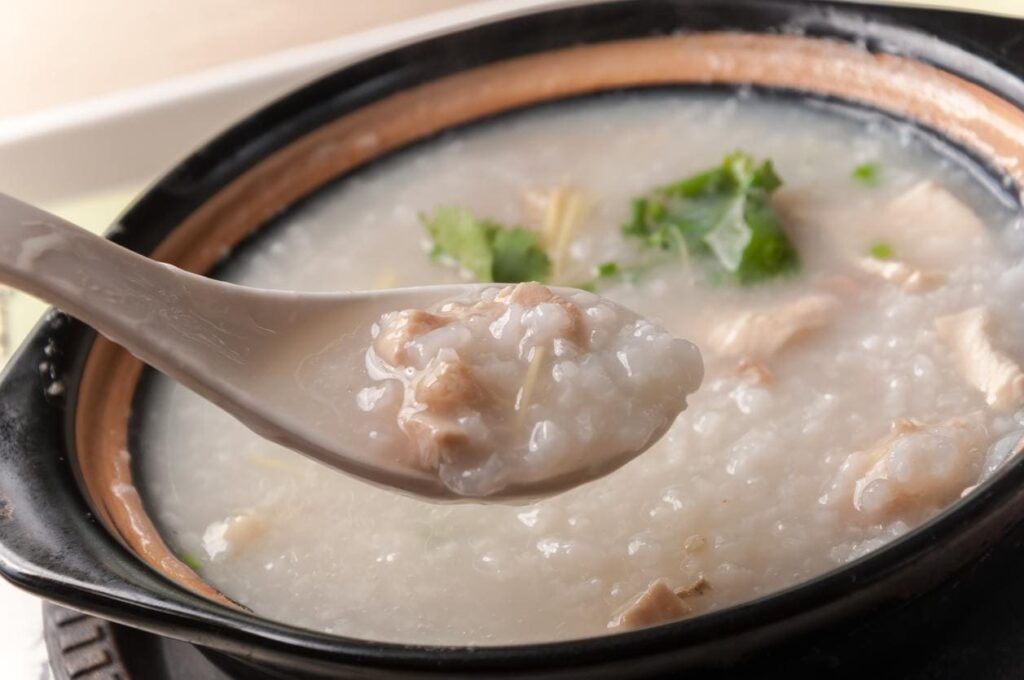
| Nutrient | Amount (approx.) |
|---|---|
| Calories | 120–180 kcal |
| Carbohydrates | 25–35 g |
| Protein | 2–6 g (higher with tofu/beans) |
| Fat | 1–3 g |
| Fiber | 1–4 g |
| Vitamins | B-complex, A, C (depends on veggies) |
| Minerals | Iron, calcium, potassium |
Congee is low in fat, easy to digest, and great for gut health—especially when cooked slowly and served warm.
Simple Vegetarian Congee Recipe (Chinese Style)
Ingredients:
- 1/2 cup jasmine or short-grain rice
- 6 cups water
- 1/2 cup diced pumpkin or carrots
- 1/2 cup mushrooms (shiitake or button)
- 1 tbsp soy sauce
- Salt to taste
- 1 tsp sesame oil
- Sliced scallions (for garnish)
Instructions:
- Rinse rice thoroughly and soak for 30 minutes.
- In a large pot, add rice, water, and vegetables.
- Bring to a boil, then reduce to a simmer.
- Cook uncovered for 45–60 minutes, stirring occasionally, until the rice breaks down and becomes creamy.
- Season with salt and soy sauce.
- Drizzle with sesame oil and garnish with scallions. Serve hot!
Optional Add-ons: corn, tofu cubes, bok choy, ginger, or crispy fried shallots.
Cultural Significance in China
Congee is:
- A traditional remedy: Given to those recovering from illness.
- A family dish: Often shared during breakfast.
- Part of rituals: Especially during the Laba Festival, where a vegetarian multi-grain congee is made with rice, beans, jujubes, peanuts, lotus seeds, and dried fruits.
This dish, humble in appearance, holds deep cultural roots that span centuries.

A Sustainable Meal Choice
Congee requires minimal ingredients and energy, especially when made in large batches. It’s:
- Plant-based
- Water-rich
- Low-waste (uses leftover rice or veggies)
It also fits well into modern plant-based diets and is perfect for zero-waste kitchens.
Why the World Should Eat More Vegetarian Congee
With rising interest in gut health, plant-based eating, and comfort foods, vegetarian congee is a dish that checks all the boxes:
Warm and nourishing
Incredibly versatile
Budget-friendly
Easy to digest
Culturally rich
Final Thoughts
So, which country eats the most congee in the world?
China, by far.
But congee’s appeal is universal. As people rediscover the joys of simple, nutritious food, vegetarian congee is experiencing a global revival.

Whether you’re in Beijing, Bangkok, or Bangalore, this humble dish continues to warm hearts and fill bellies—one bowl at a time.