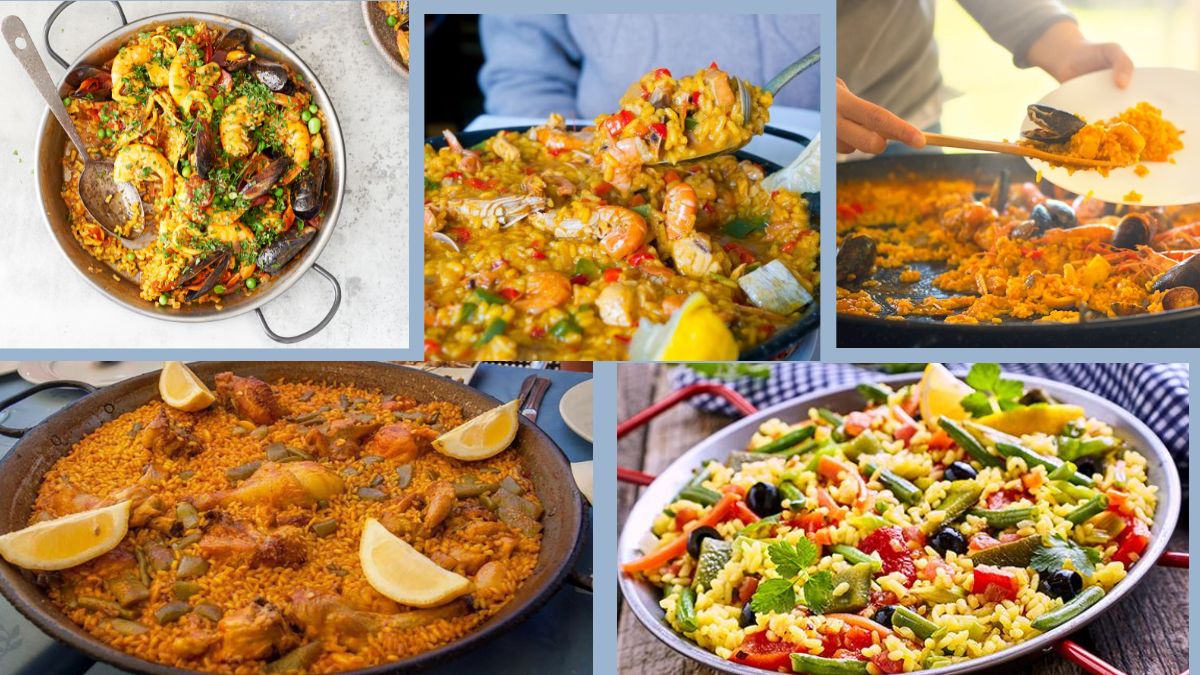
Paella—the sizzling, aromatic rice dish cooked in a wide, shallow pan—has become a symbol of Spanish cuisine around the world. But the question stands: Which country eats the most paella rice in the world?
Unsurprisingly, the answer is Spain.
While paella is enjoyed globally, Spain not only created it but continues to consume it more than any other country, making it a central part of the nation’s culinary and cultural identity. In this article, we’ll explore the rich history of paella, Spain’s deep-rooted love for it, and most importantly, showcase vegetarian-friendly versions of the dish that highlight its diversity without using meat or seafood.
Paella in Spain: More Than Just a Dish
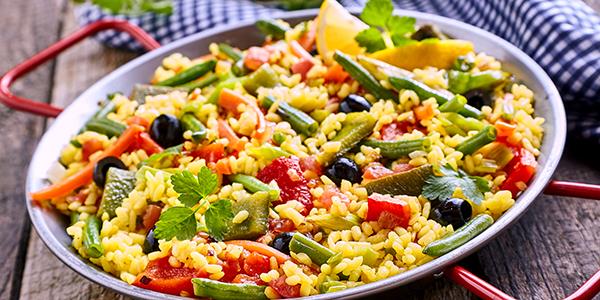
Paella originated in the Valencian region of Spain during the mid-19th century. Traditionally made by farmers over an open flame using rice, vegetables, and whatever was locally available, it became a dish of community and celebration.
Today, paella is a national treasure. It’s served at family gatherings, festivals, Sunday lunches, and is even a point of pride among home cooks who pass down their own family recipes.
Why Spain Eats the Most Paella:
- Cultural tradition – Every Spanish household has a unique paella recipe.
- Agricultural abundance – Spain grows large quantities of Bomba rice, ideal for paella.
- Culinary tourism – Millions of tourists flock to Spain each year and eat authentic paella.
- Regional pride – Valencia, Andalusia, Catalonia, and Madrid each have their own paella styles.
- Vegetarian movement – With increasing interest in plant-based diets, vegetarian paella is growing in popularity across Spain.
What Makes Paella Unique?
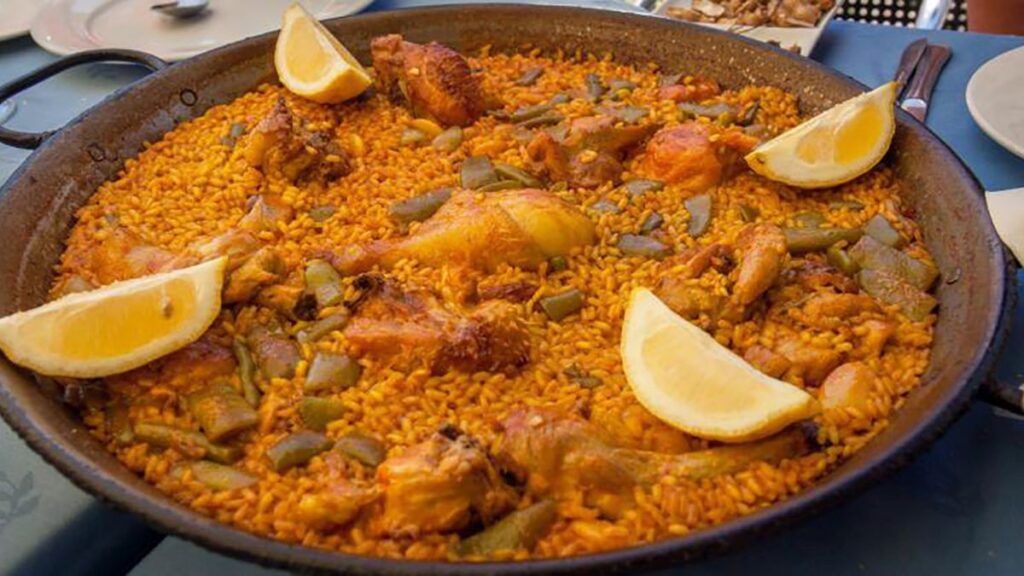
The heart of any paella is the rice. Short-grain, starchy, and able to absorb large amounts of liquid and flavor, paella rice (especially Bomba rice) gives the dish its signature texture. It’s not just about taste—it’s about experience: the color, the aroma, the crisp socarrat (caramelized rice crust), and the joy of sharing.
Traditional paella rice is cooked with saffron or turmeric (for color), olive oil, and broth. From there, vegetables and spices are added depending on regional and seasonal availability.
Vegetarian Paella: A Rich Tradition on Its Own
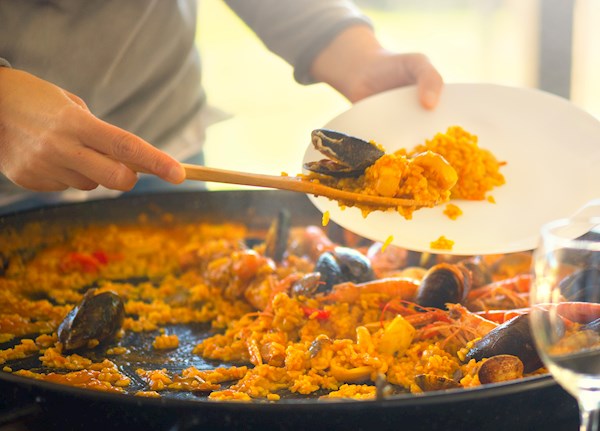
While many associate paella with seafood or meat, vegetarian paella has always existed—especially in Valencia, where original recipes often featured green beans, artichokes, tomatoes, and garrofón (a large flat bean).
Common Vegetarian Ingredients in Paella:
| Ingredient | Purpose/Flavor |
|---|---|
| Bomba or Calasparra Rice | Absorbs flavor, stays firm |
| Olive Oil | Base for sautéing and richness |
| Saffron or Turmeric | Signature golden color and aroma |
| Bell Peppers | Sweetness and texture |
| Tomatoes | Acidity and moisture |
| Artichokes | Earthy and robust |
| Green Beans | Crunch and freshness |
| Zucchini | Softness and mild flavor |
| Eggplant | Hearty, meaty texture |
| Mushrooms | Umami depth |
| Garrofón Beans | Traditional and creamy |
| Chickpeas | Protein-rich and filling |
| Paprika and Garlic | Smoky spice and aroma |
| Lemon Wedges | Fresh finish |
Spain’s Vegetarian Paella Culture
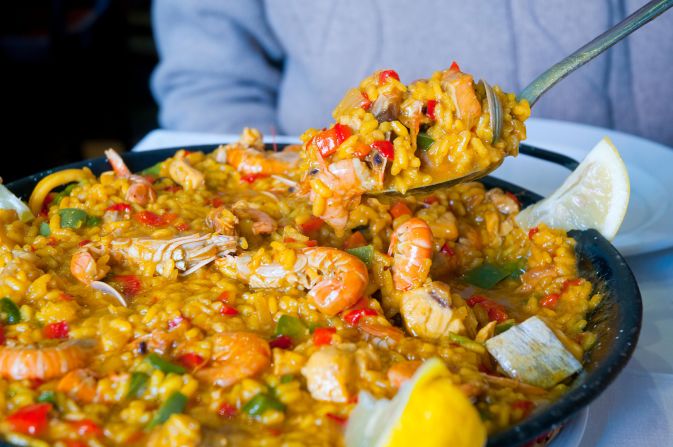
While seafood paella dominates menus in coastal cities, vegetarian paella is extremely popular in cities like Madrid, Valencia, and Barcelona where plant-based food culture is thriving.
Where You’ll Find Vegetarian Paella in Spain:
- Local markets – Many food stalls sell fresh, hot vegetarian paella daily.
- Tapas bars – Often serve mini portions of veggie paella with sangria or juice.
- Festivals – Large communal paellas are often vegetarian for broader appeal.
- Home kitchens – Especially during Lent or among vegetarian households.
Nutritional Value of Vegetarian Paella
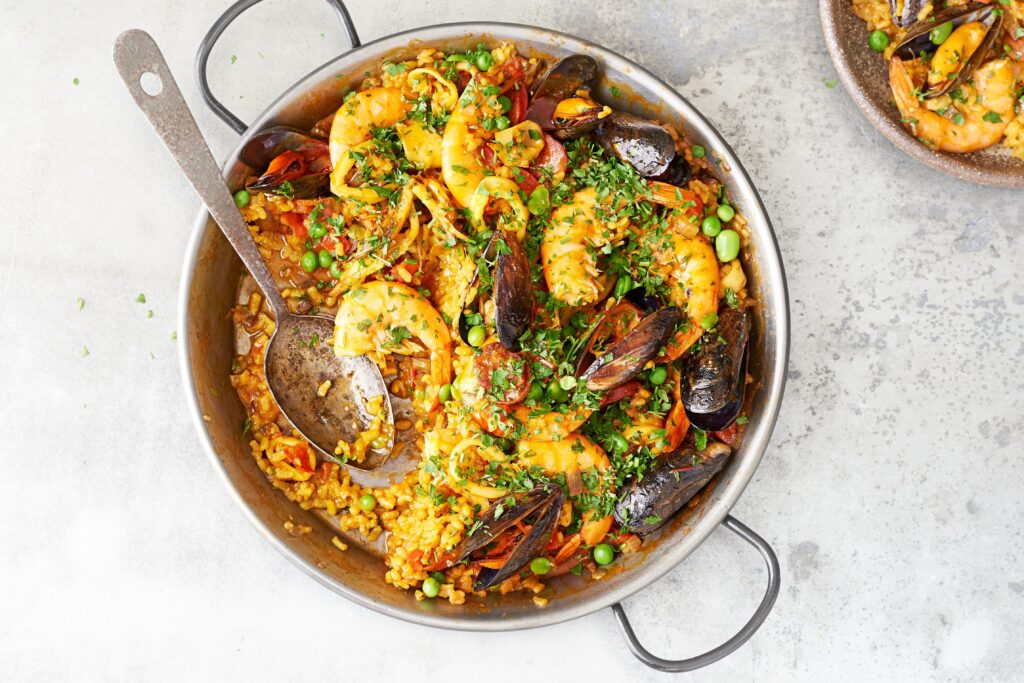
Paella, when made with fresh vegetables, legumes, and rice, becomes a nutrient-rich, balanced meal:
| Nutrient | Per Serving (1.5 cups) |
|---|---|
| Calories | 350–400 kcal |
| Carbs | 55–60 g |
| Protein | 8–12 g (from beans/chickpeas) |
| Fat | 10–15 g (mostly healthy fats) |
| Fiber | 6–8 g |
| Sodium | Depends on broth used |
| Vitamins | A, C, B-complex |
| Minerals | Iron, Magnesium, Potassium |
It’s hearty, satisfying, and plant-based—perfect for a balanced vegetarian diet.
Other Countries That Love Paella
Although Spain tops the list, paella is enjoyed around the world. Let’s look at where else it’s popular:
United States
Cities like Miami, New York, and San Francisco have embraced paella, including vegetarian versions. Fusion styles with tofu, kale, or roasted vegetables are popular.
France
Southern France (especially near the Spanish border) has adopted paella as a weekend favorite, often served at markets and festivals.
Argentina
With its Spanish immigrant roots, Argentina has a strong paella tradition. Vegetarian options are emerging in Buenos Aires and Córdoba.
India
Paella-style rice dishes with saffron, turmeric, and mixed vegetables are growing in Indian restaurants and households, especially among vegetarians.
Classic Vegetarian Paella Recipe
Ingredients:
- 1 ½ cups Bomba or short-grain rice
- 3 tbsp olive oil
- 1 onion, diced
- 3 garlic cloves, minced
- 1 red bell pepper, sliced
- 1 zucchini, chopped
- 1 cup green beans
- 1 tomato, grated or chopped
- 1 tsp smoked paprika
- ½ tsp saffron or turmeric
- 4 cups vegetable broth
- ½ cup canned chickpeas (drained)
- Salt to taste
- Lemon wedges and parsley for garnish
Instructions:
- Heat olive oil in a paella pan or wide skillet.
- Add onion and garlic; sauté until translucent.
- Stir in bell pepper, zucchini, green beans, and tomato. Cook for 5–7 minutes.
- Add smoked paprika, saffron/turmeric, and rice. Stir to coat rice evenly.
- Pour in vegetable broth. Bring to a gentle boil, then reduce to a simmer.
- Add chickpeas. Do not stir after this point—let the rice cook evenly.
- Simmer uncovered for 20–25 minutes or until rice is tender and broth is absorbed.
- Turn off heat. Cover with a clean kitchen towel for 5–10 minutes.
- Serve with lemon wedges and fresh parsley.
Optional: Add roasted artichokes or mushrooms for extra depth.
Fun Facts About Paella
- The word “paella” comes from the old Valencian word for “pan.”
- Traditional paella is never stirred after the broth is added.
- The crispy bottom layer of rice, called socarrat, is considered the best part.
- World Paella Day is celebrated on September 20th each year.
Why Vegetarian Paella Is the Future
With the rise of plant-based lifestyles, even traditional dishes are getting a vegetarian reboot—and paella is a perfect candidate.

Benefits of Vegetarian Paella:
- Less environmental impact than meat-based versions
- Healthier and lower in saturated fat
- Culturally inclusive and suitable for diverse diets
- Still packed with flavor, texture, and tradition
Final Verdict
So, which country eats the most paella rice in the world?
Spain, without a doubt.
But vegetarian paella isn’t just for Spaniards. It’s a global dish now—loved by vegetarians, vegans, and flexitarians alike. With its bold saffron rice, garden-fresh vegetables, and heartwarming aroma, vegetarian paella proves that you don’t need meat to create a masterpiece.
From humble countryside origins to elegant restaurant menus, this dish continues to evolve—without losing its soul.