When it comes to managing cholesterol levels naturally, many people turn to complex diets, supplements, or medications. But what if one of the most powerful tools for lowering high cholesterol was already sitting in your kitchen spice rack? Enter cinnamon—the warm, aromatic spice that not only enhances the flavor of your food but also offers significant heart-health benefits, especially in supporting healthy cholesterol levels.
Emerging research and centuries of traditional use point to cinnamon as one of the most effective natural remedies for improving cardiovascular health. And the best part? It’s 100% plant-based, affordable, and easy to incorporate into your daily routine—without the need for any animal products or costly interventions.
Let’s explore how cinnamon works, what science says about its cholesterol-lowering powers, and how to include it in a healthy, vegetarian lifestyle.
What Is Cinnamon?
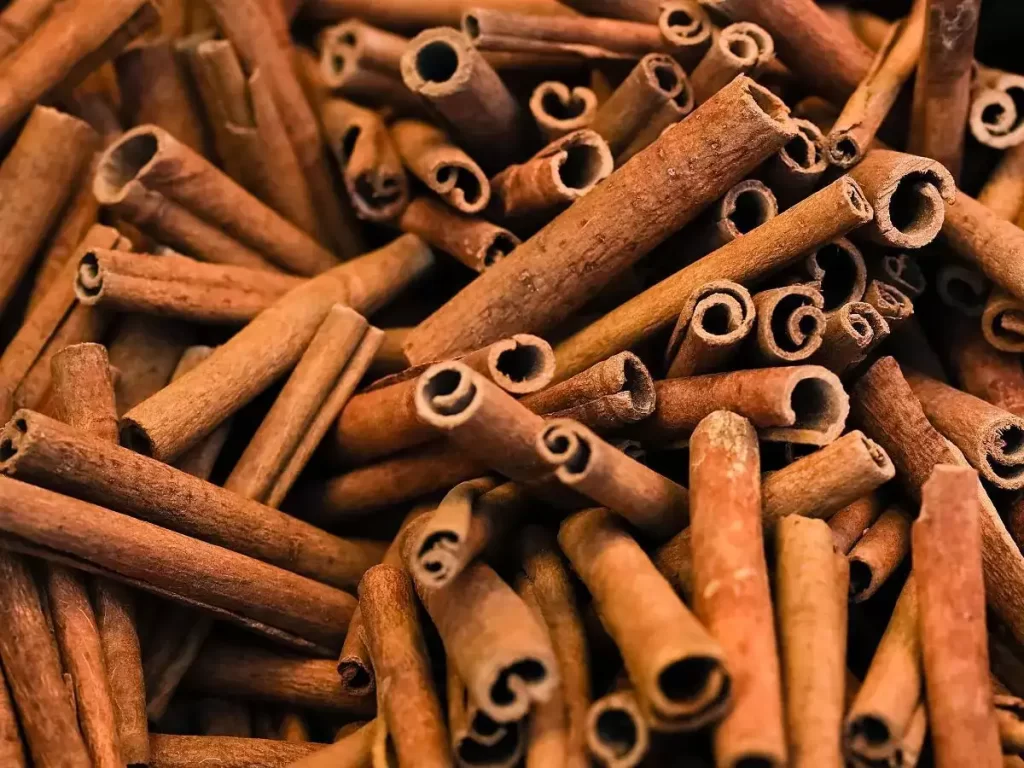
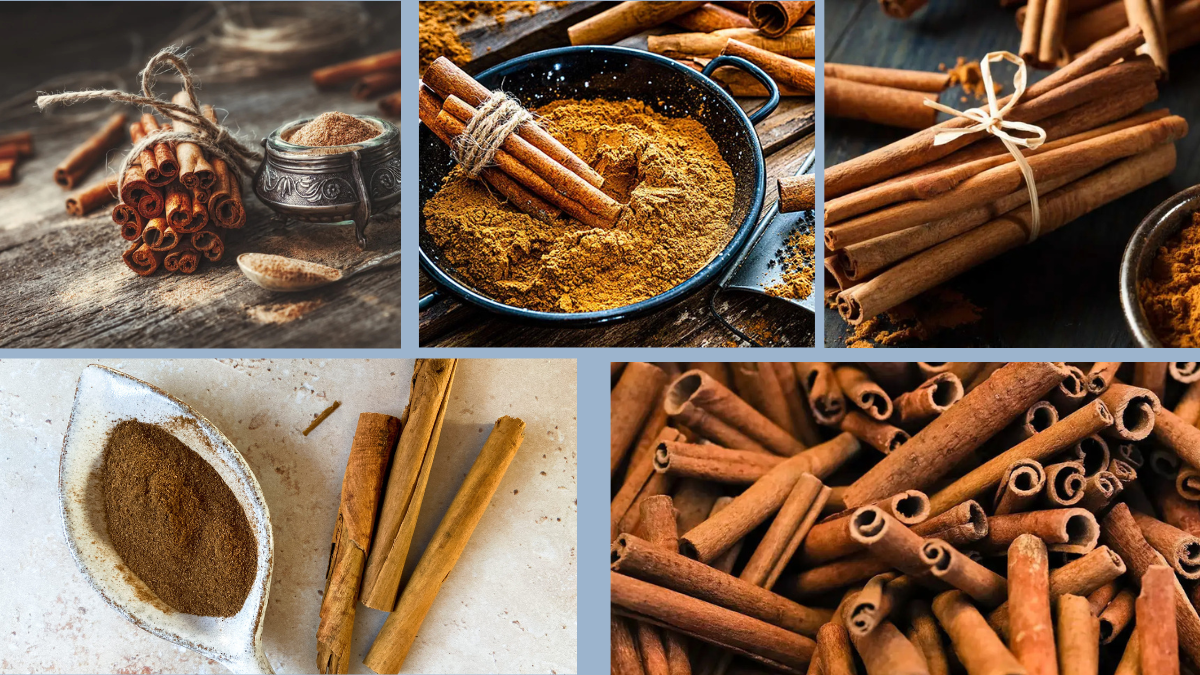
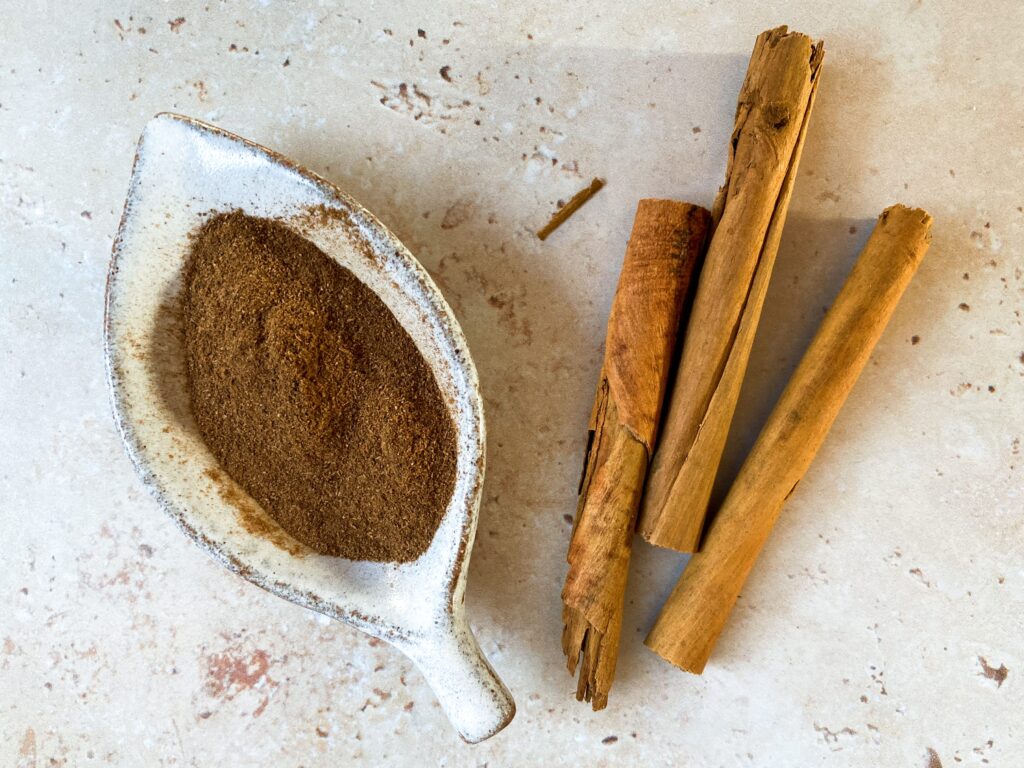
Cinnamon is made from the inner bark of Cinnamomum trees, native to Southeast Asia. There are two main types of cinnamon:
- Ceylon cinnamon (also known as “true” cinnamon): More delicate and sweet in flavor, typically grown in Sri Lanka.
- Cassia cinnamon: A stronger, more common variety, often found in supermarkets.
Both types offer health benefits, but Ceylon cinnamon is considered safer in high doses due to its lower content of coumarin, a compound that can be toxic in very large amounts.
The Link Between Cinnamon and Cholesterol
1. How Cinnamon Affects Cholesterol Levels
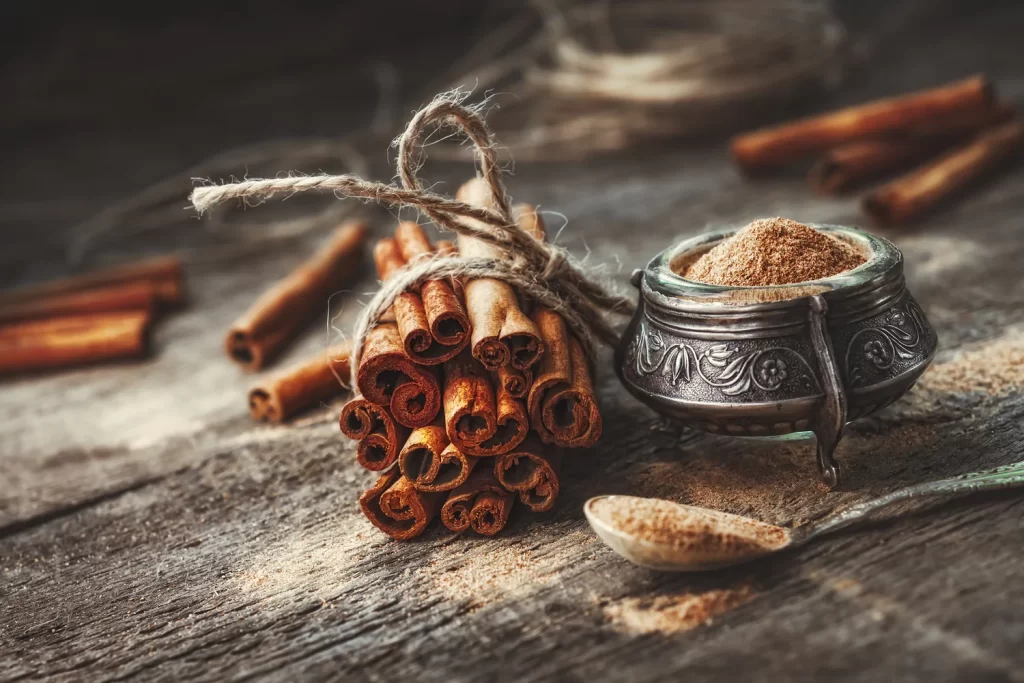
Cinnamon is rich in antioxidants, polyphenols, and anti-inflammatory compounds that influence how the body processes fat and cholesterol. Here’s what it does:
- Reduces LDL (“bad”) cholesterol
- Lowers triglycerides
- Increases HDL (“good”) cholesterol
- Improves overall lipid profile
These effects are largely due to cinnamon’s ability to reduce inflammation, improve insulin sensitivity, and enhance lipid metabolism.

2. What Does the Research Say?
Several studies over the past decade have shown promising results for cinnamon’s effect on cholesterol:
A 2013 meta-analysis published in Annals of Family Medicine
This analysis looked at 10 controlled trials and concluded that cinnamon significantly reduced total cholesterol, LDL, and triglycerides, while raising HDL in people with type 2 diabetes and metabolic syndrome.
A 2020 review in Critical Reviews in Food Science and Nutrition
Researchers found consistent cholesterol-lowering effects from cinnamon, especially when consumed regularly in doses ranging from 1 to 6 grams per day.
Animal studies
Rodent models also show that cinnamon extract can inhibit cholesterol synthesis in the liver, improve antioxidant status, and protect against atherosclerosis (hardening of the arteries).
How to Use Cinnamon for Maximum Health Benefits
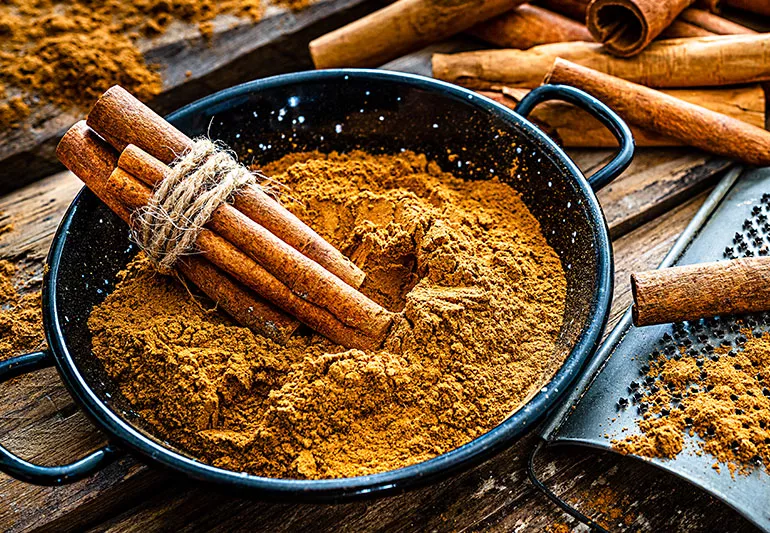
You don’t need to take cinnamon capsules to reap the rewards. Incorporating ground cinnamon or cinnamon sticks into your daily meals is both effective and delicious.
How much should you take?
Most studies show benefits from 1 to 6 grams per day (roughly ½ to 2 teaspoons). It’s best to start small and monitor how your body responds.
Note: Use Ceylon cinnamon if consuming daily, as it has much lower levels of coumarin compared to Cassia cinnamon, making it safer for long-term use.

9 Plant-Based Ways to Add Cinnamon to Your Diet
1. Cinnamon Oatmeal Breakfast Bowl
Sprinkle ½ tsp of cinnamon into your morning oats. Add chia seeds, banana slices, and almond butter for a fiber-rich, cholesterol-friendly breakfast.
2. Spiced Lentil Soup
Add cinnamon along with cumin, turmeric, and coriander to your red lentil soup. It adds depth and helps balance blood sugar and lipids.
3. Cinnamon-Sweet Potato Mash
Roast or mash sweet potatoes with a dash of cinnamon, olive oil, and a pinch of salt. A comforting, fiber-rich side dish with anti-inflammatory benefits.
4. Golden Cinnamon Smoothie
Blend almond milk, banana, turmeric, cinnamon, flaxseeds, and spinach for a creamy, cholesterol-lowering smoothie.
5. Cinnamon Quinoa with Apples & Walnuts
Cook quinoa with cinnamon and chopped apples. Top with toasted walnuts and maple syrup for a nutritious breakfast or dessert.
6. Homemade Cinnamon Tea
Simmer 1 cinnamon stick in water for 10 minutes. Add a splash of lemon juice or ginger for a warming, heart-healthy beverage.
7. Chickpea and Cinnamon Stew
Cinnamon pairs beautifully with chickpeas in tomato-based stews. Add sweet potatoes, cumin, and kale for a complete meal.

8. Whole Grain Cinnamon Muffins
Bake vegan muffins with whole wheat flour, ground flax, almond milk, cinnamon, and raisins. A guilt-free, fiber-rich snack.
9. Cinnamon-Spiced Roasted Nuts
Toss almonds or walnuts with a pinch of cinnamon, sea salt, and a touch of maple syrup. Bake for 10–12 minutes and enjoy in moderation.
Other Plant-Based Ways to Support Healthy Cholesterol
While cinnamon plays a powerful role, its effects are most beneficial when paired with an overall cholesterol-friendly diet. Here are some additional strategies—100% plant-based:
1. Increase Fiber Intake
Soluble fiber, found in oats, beans, flaxseeds, and psyllium, binds to cholesterol and helps flush it out of the body.
2. Embrace Healthy Fats
Swap saturated fats for monounsaturated fats (like olive oil, nuts, and avocado) to reduce LDL and boost HDL.
3. Eat More Legumes
Beans and lentils are rich in fiber and plant sterols, which can block cholesterol absorption in the gut.
4. Add Antioxidant-Rich Fruits
Berries, citrus, grapes, and apples all contain polyphenols that protect arteries and lower inflammation.

5. Stay Active
Regular physical activity helps raise HDL cholesterol while reducing LDL and triglycerides.
Cinnamon & Inflammation: A Hidden Benefit
High cholesterol often goes hand-in-hand with chronic inflammation, which contributes to heart disease. Cinnamon contains powerful anti-inflammatory compounds such as:
- Cinnamaldehyde: The main active compound that helps reduce markers of inflammation.
- Flavonoids and polyphenols: Natural antioxidants that neutralize free radicals and support cellular health.
By reducing inflammation, cinnamon not only improves cholesterol—but also protects against damage to blood vessels, which is a critical step in preventing heart attacks and strokes.
Frequently Asked Questions
Q: Can I take cinnamon supplements instead of using it in food?
A: Yes, but whole cinnamon (especially Ceylon) used in cooking is safer and more enjoyable. If taking supplements, always consult your healthcare provider, especially if you’re on medications.
Q: How long does it take to see results?
A: Many people notice improvements in cholesterol levels after 8 to 12 weeks of consistent cinnamon use alongside a healthy diet.
Q: Is cinnamon safe for everyone?
A: Generally yes, in moderate food-based doses. Avoid high doses of Cassia cinnamon, as it may stress the liver due to coumarin content.
The Bottom Line
Cinnamon is more than a flavorful spice—it’s a science-backed, heart-smart ally in your quest to lower high cholesterol naturally. With its rich blend of antioxidants and blood sugar-balancing properties, cinnamon supports a healthy lipid profile and offers additional benefits for inflammation and cardiovascular function.

Incorporating 1–2 teaspoons of Ceylon cinnamon into your daily meals—alongside a high-fiber, plant-based diet—can yield powerful health benefits over time.
So the next time you’re in your kitchen, don’t underestimate the power of a pinch of cinnamon. It might just be the simplest, most delicious way to love your heart a little more each day.