Aluminum foil is a staple in nearly every kitchen — versatile, cheap, and easy to use. It’s great for wrapping leftovers, lining baking trays, or covering dishes in the oven. But foil isn’t as invincible as it seems. In fact, there are several common cooking and storage practices where aluminum foil does more harm than good.
Whether it’s health risks, fire hazards, or ruining your food, here are 6 important things you should never use aluminum foil for — and what to use instead.
1. Don’t Use Foil to Store Acidic Foods (Like Tomatoes or Citrus)
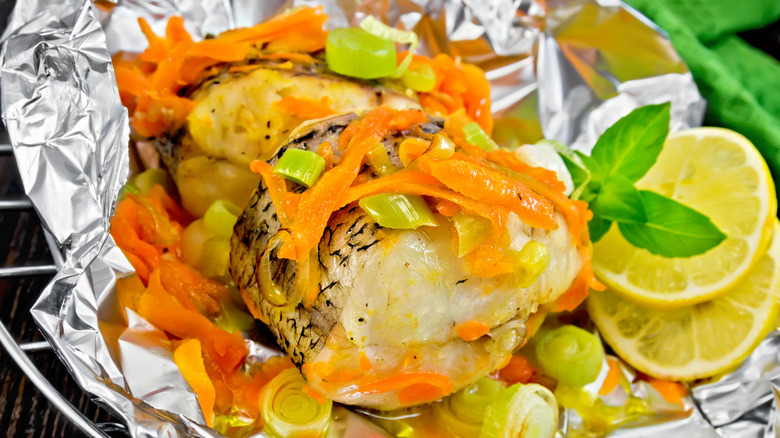
Aluminum and acid don’t mix well. When foil comes into contact with acidic foods like tomatoes, citrus fruits, vinegar-based dressings, or pickles, a chemical reaction can occur. The acid begins to break down the aluminum, leading to metallic taste transfer, discoloration, and even leaching of small amounts of aluminum into your food.

While this may not pose an immediate health threat, studies suggest that long-term aluminum intake should be limited — especially for individuals with kidney issues. To store acidic foods, use glass containers, ceramic bowls, or food-grade silicone wraps instead.
2. Never Line the Bottom of Your Oven with Foil
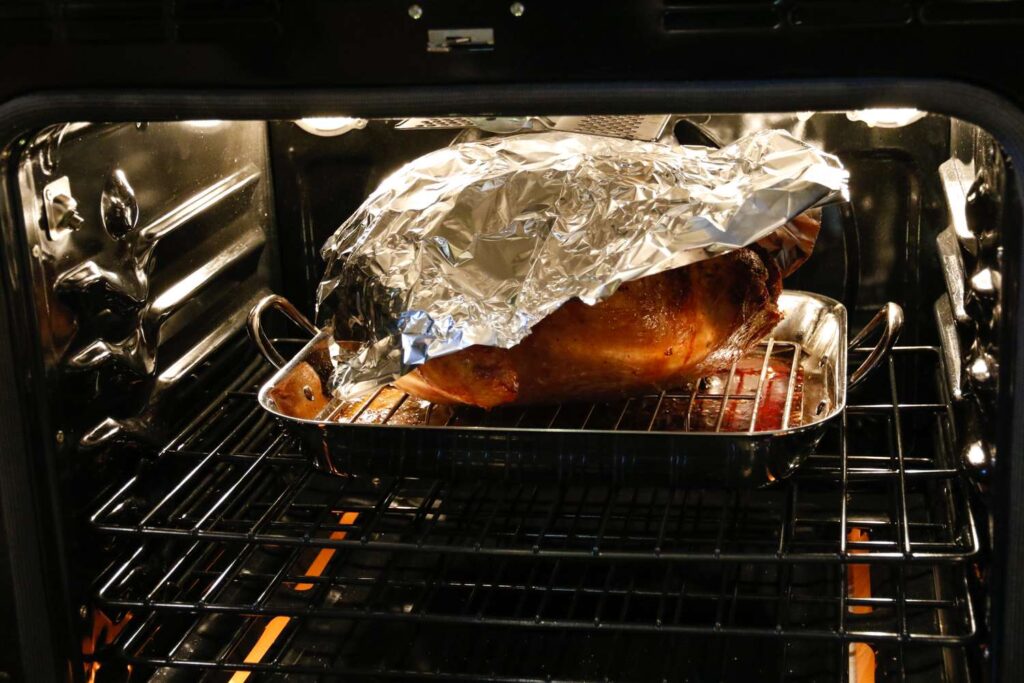
It may seem smart to catch spills by lining your oven’s base with aluminum foil — but this is a serious fire hazard and can even damage your oven. Foil reflects heat unevenly, causing hot spots that may melt oven components, warp racks, or interfere with temperature sensors.
Even worse, if foil touches the heating element, it can spark or catch fire. For safer cleanup, place a baking tray or silicone oven liner on a lower rack — not the bottom surface. They’re reusable, food-safe, and don’t interfere with your oven’s performance.

3. Avoid Using Foil in the Microwave
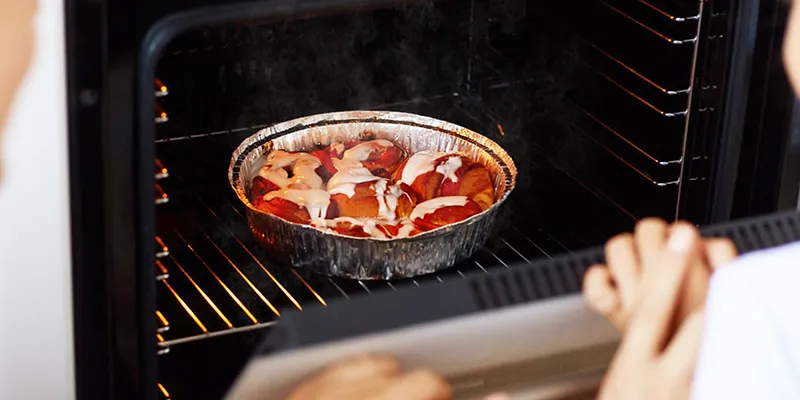
While some newer microwaves claim to be foil-safe in small amounts, the truth is: metal and microwaves don’t mix well. Foil reflects microwave radiation instead of absorbing it, leading to arcing sparks, fire risks, and potential damage to your appliance.
Microwaving foil-wrapped leftovers can create uneven heating, with the inner food staying cold while the edges overcook. Instead, use microwave-safe glass or ceramic containers with vented lids, or silicone covers that prevent splatter without creating hazards.
4. Don’t Use Foil to Cover Hot or Oily Foods for Long-Term Storage
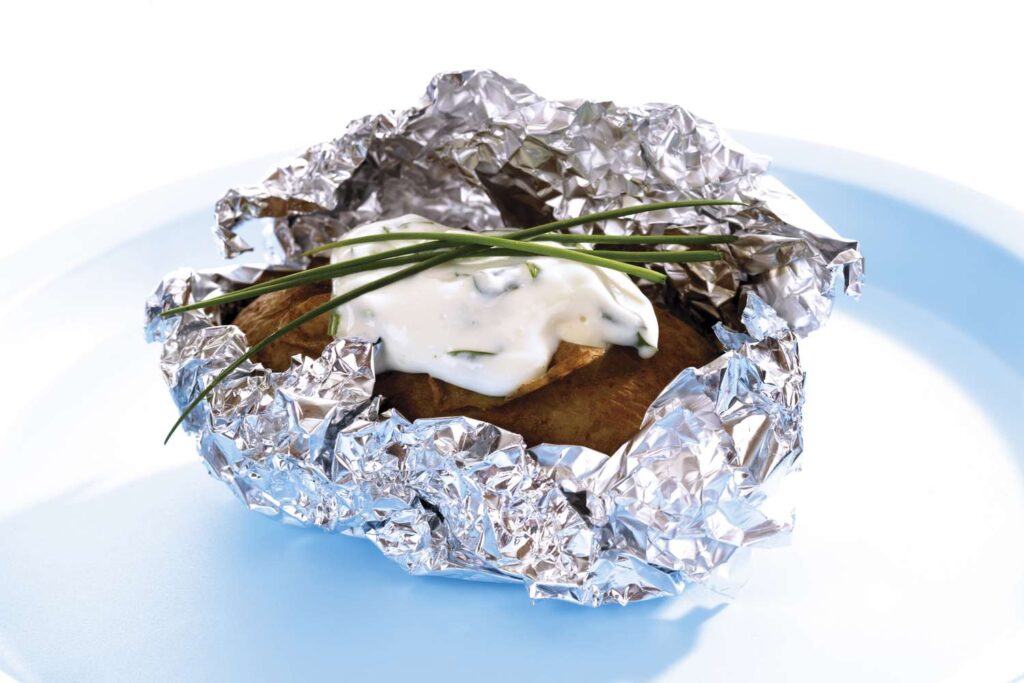
Covering warm, greasy dishes like roasted vegetables, sautéed mushrooms, or olive oil-tossed pasta with foil and refrigerating them may seem harmless — but the combination of heat, fat, and foil accelerates chemical breakdown. Aluminum may leach into the oil-rich food, especially when stored for more than a few hours.

This not only alters taste but could lead to higher-than-recommended aluminum ingestion. Instead, let food cool slightly and store it in airtight glass containers or use parchment paper under the foil as a buffer.
5. Don’t Use Foil on Nonstick or Reactive Pans
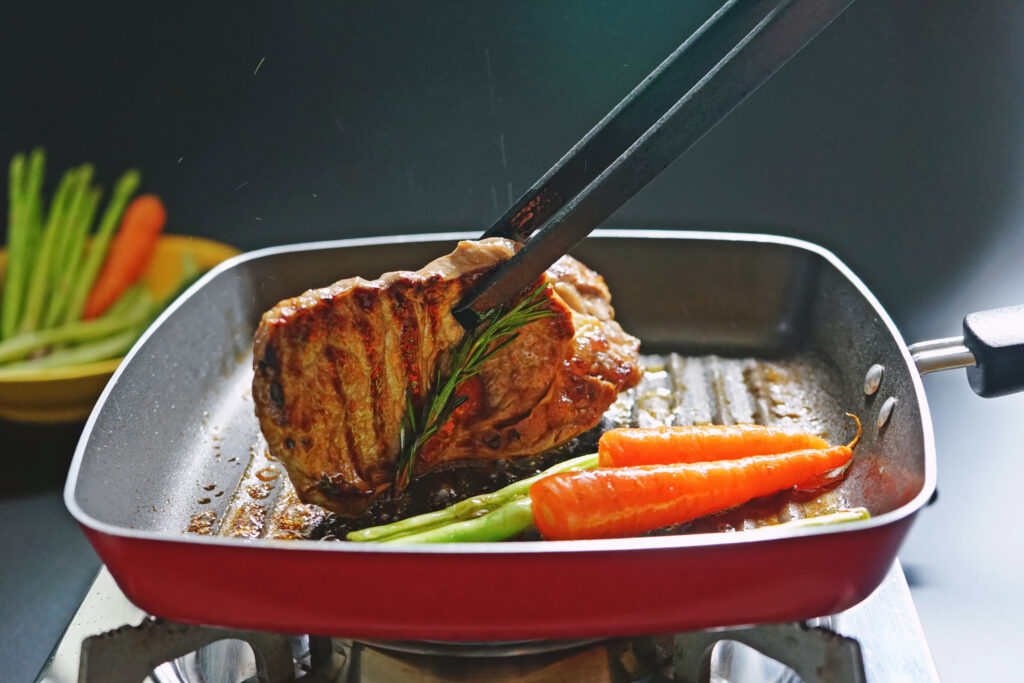
Lining nonstick or enameled baking trays with aluminum foil may seem like an easy cleanup hack, but it can actually scratch or damage the surface over time. Worse, if the foil sticks or reacts with certain materials (like cast iron or copper), it may leave a metallic residue or cause uneven browning on your food.
Opt for unbleached parchment paper or a reusable silicone baking mat instead. They provide nonstick coverage, even heat distribution, and eliminate the risk of damaging your pans.

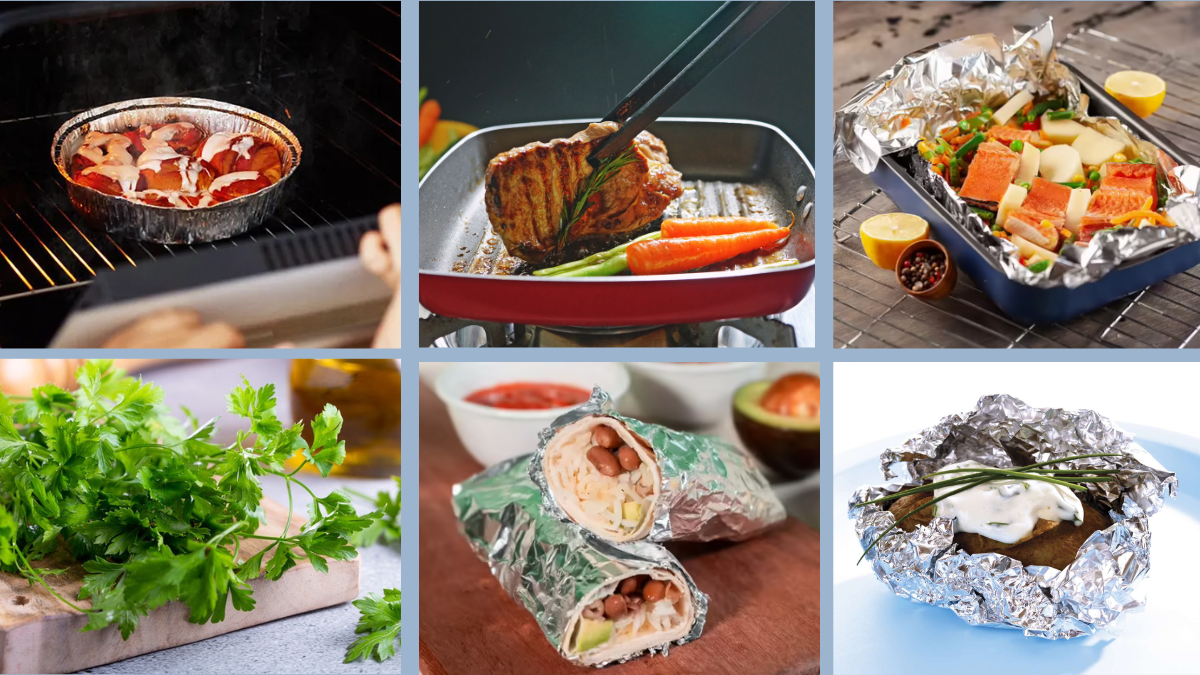
6. Never Wrap Fresh Herbs, Leafy Greens, or Soft Produce in Foil
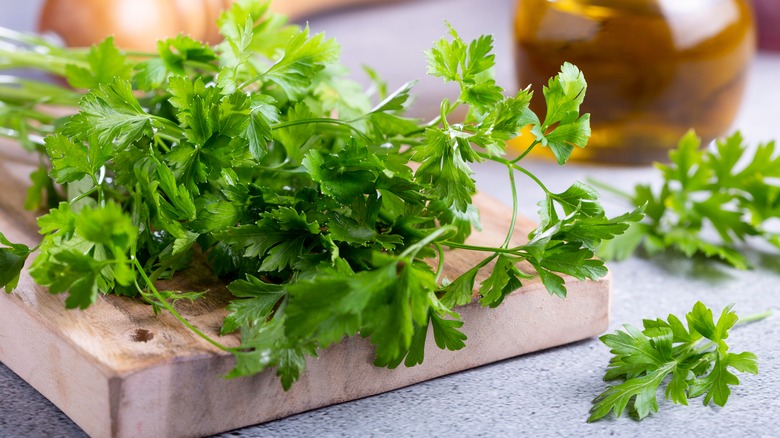
It might feel convenient to wrap fresh herbs, spinach, or lettuce in foil to keep them crisp, but this actually accelerates spoilage. Aluminum traps moisture inside, creating a damp environment that encourages mold and sliminess, especially in leafy or soft produce.
Instead, wrap herbs and greens in damp paper towels and store them in perforated produce bags or reusable vegetable crisper containers. This lets the produce breathe while staying hydrated — keeping them fresh for much longer.
What to Use Instead of Aluminum Foil
Looking to cut back on foil for safety, health, or environmental reasons? Here are a few kitchen-safe alternatives:

| Use Case | Better Alternatives |
|---|---|
| Wrapping leftovers | Beeswax wraps, silicone stretch lids, glass containers |
| Lining pans | Parchment paper, silicone baking mats |
| Oven drip protection | Silicone oven liners, baking trays on lower rack |
| Storing produce | Cloth bags, damp towels, mesh containers |
| Roasting vegetables | Unlined pans with oil, parchment for easy cleanup |
| Grilling | Grill baskets, banana leaves, cast iron trays |
Final Thoughts: Foil Isn’t a Fix-All
Aluminum foil can be helpful when used appropriately — like tenting baked goods, roasting veggies, or wrapping baked potatoes. But in several everyday kitchen scenarios, it can actually harm your food, damage your appliances, or pose health risks.
By knowing when not to use foil and switching to safer alternatives, you can protect your food, extend its freshness, and make more eco-conscious choices in the kitchen.