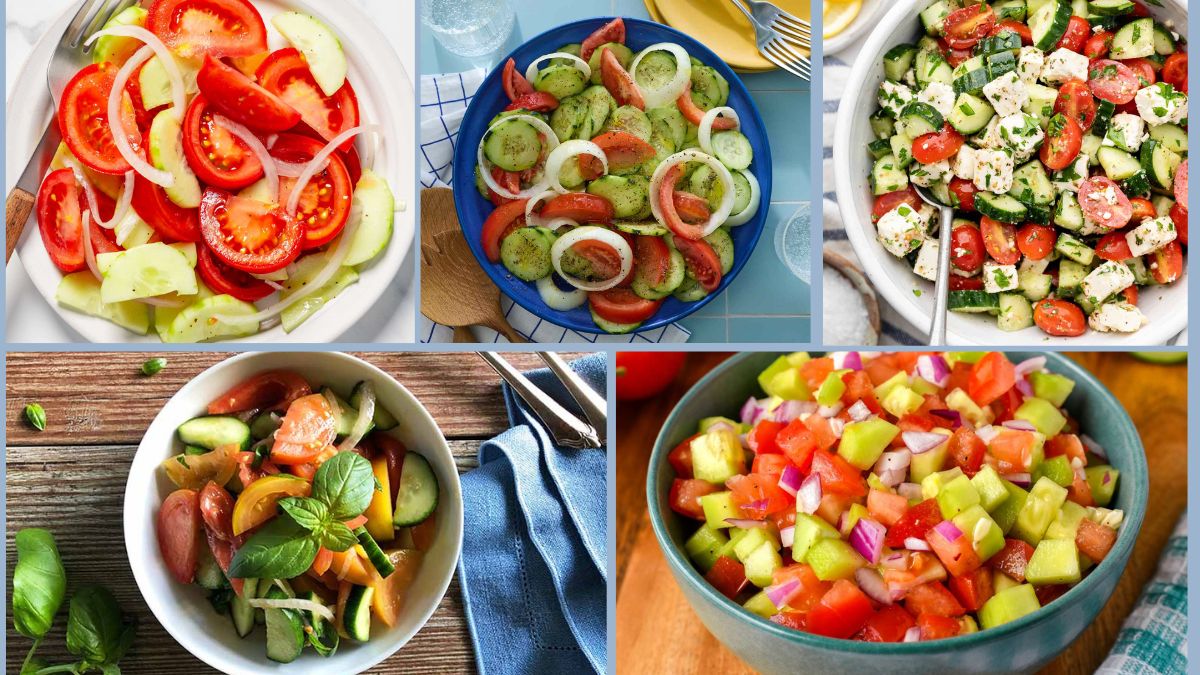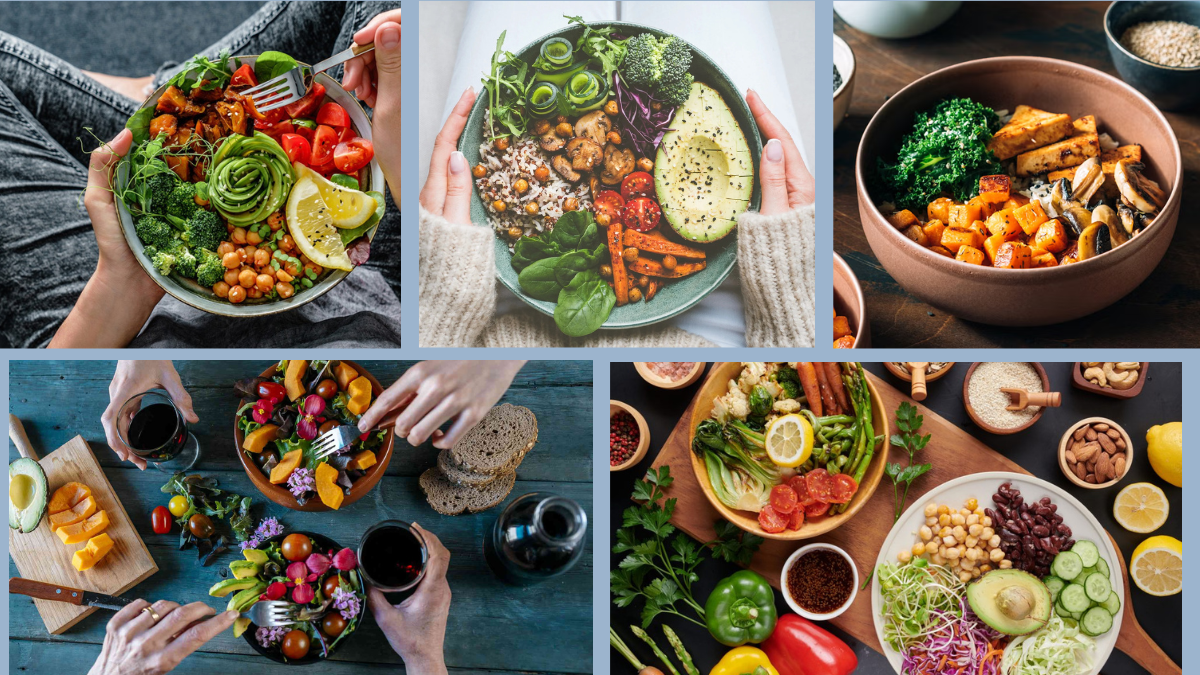
As more people become health-conscious and environmentally aware, plant-forward eating is on the rise. Supermarket shelves now stock more meat-free options than ever, restaurants offer vegetarian menus, and social media is filled with buzzwords like plant-based, vegetarian, and vegan. But while these terms are often used interchangeably, they don’t always mean the same thing.
So what exactly is the difference between plant-based and vegetarian diets?
If you’re considering either lifestyle—or already eat this way but want to clarify what it all means—this article will help you understand the core differences, nutritional considerations, and how to choose the best path for your health.
What Is a Vegetarian Diet?
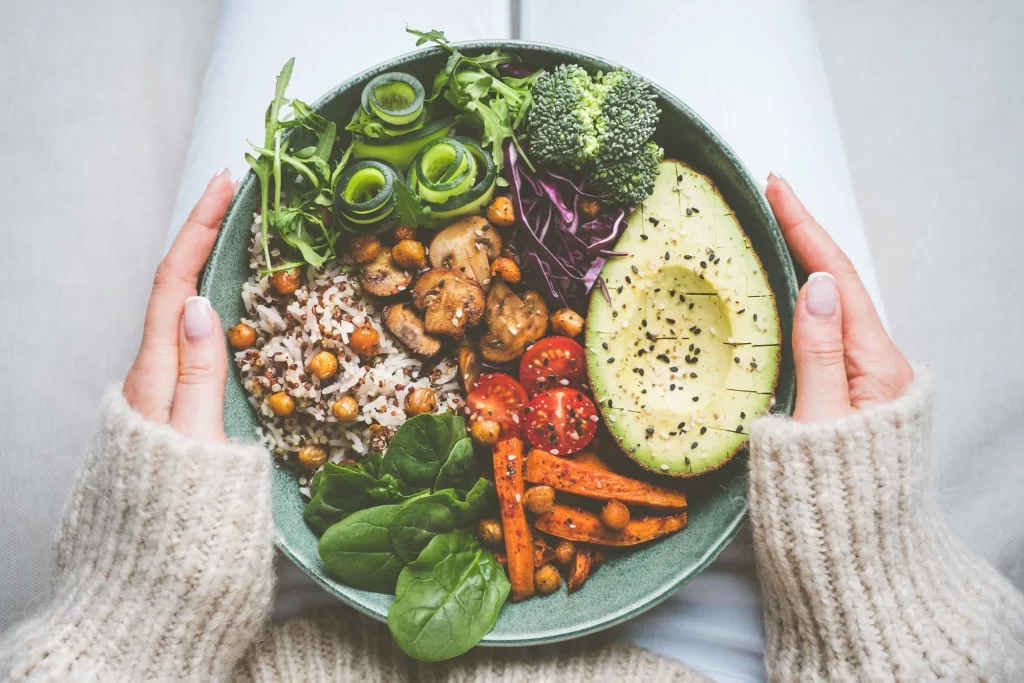
A vegetarian diet is one that excludes all meat, poultry, and seafood but may include other animal-derived foods such as dairy and eggs, depending on the specific type.
Types of Vegetarian Diets:
- Lacto-vegetarian: Includes dairy but excludes eggs, meat, poultry, and seafood
- Ovo-vegetarian: Includes eggs but excludes dairy, meat, poultry, and seafood
- Lacto-ovo vegetarian: Includes both dairy and eggs; excludes meat, poultry, and seafood
- Pescatarian (not truly vegetarian): Includes fish and seafood (excluded from strict vegetarianism)
Vegetarians often adopt this lifestyle for ethical reasons, environmental concerns, or health improvements. Many long-standing vegetarian diets, such as those found in India or parts of the Mediterranean, are rich in grains, legumes, vegetables, fruits, and moderate amounts of dairy.
What Is a Plant-Based Diet?
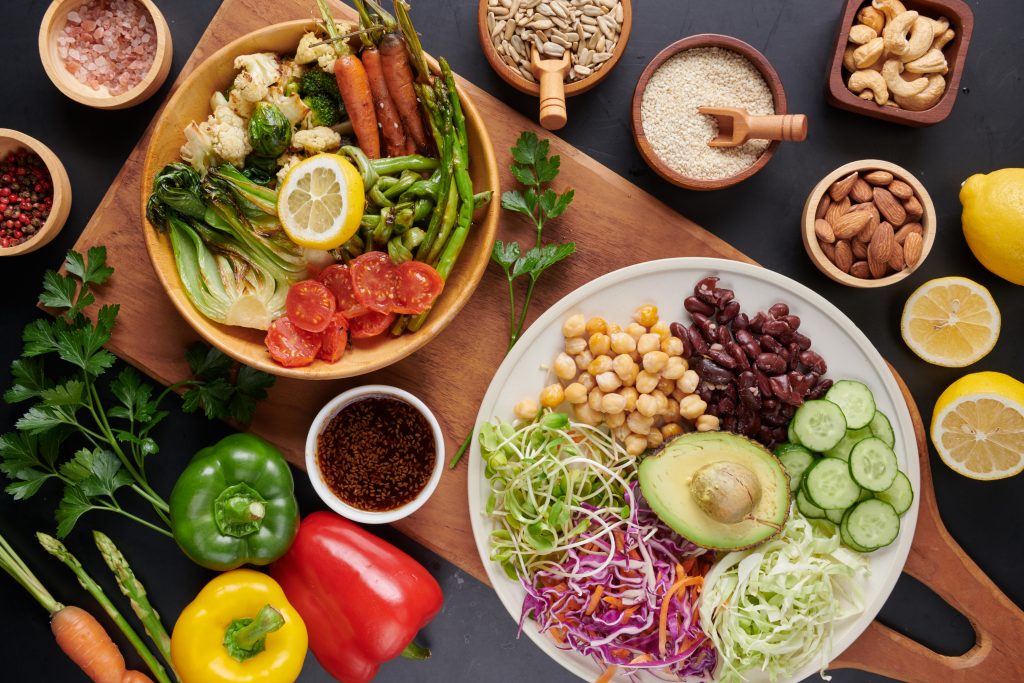
A plant-based diet emphasizes whole, minimally processed plant foods as the central focus of meals. It doesn’t necessarily mean someone is vegetarian or vegan.
What Does “Plant-Based” Really Mean?
- Primarily built around fruits, vegetables, whole grains, legumes, nuts, and seeds
- Often minimizes or avoids animal products, but not always
- Strong emphasis on whole foods rather than processed ones
- Focused more on health optimization than ethical concerns
While many plant-based eaters choose to go fully vegan or vegetarian, others may still occasionally include small amounts of animal products—though that’s outside the scope of our meat-free discussion.
In this article, we’ll focus on strictly plant-based diets that are completely free from meat, fish, eggs, and dairy, but allow for a more flexible interpretation than traditional vegetarianism.
Key Differences Between Plant-Based and Vegetarian Diets
| Feature | Vegetarian | Plant-Based (strict) |
|---|---|---|
| Includes dairy and/or eggs | Often yes | No |
| Avoids all meat and fish | Yes | Yes |
| Focus on whole foods | Varies | Strong emphasis |
| Ethical motivation | Often | Not always |
| Flexibility | Structured categories | Flexible, personal definition |
| Highly processed foods allowed | Often included | Usually limited or avoided |
Let’s explore these differences in more depth.
1. Whole vs. Processed Foods
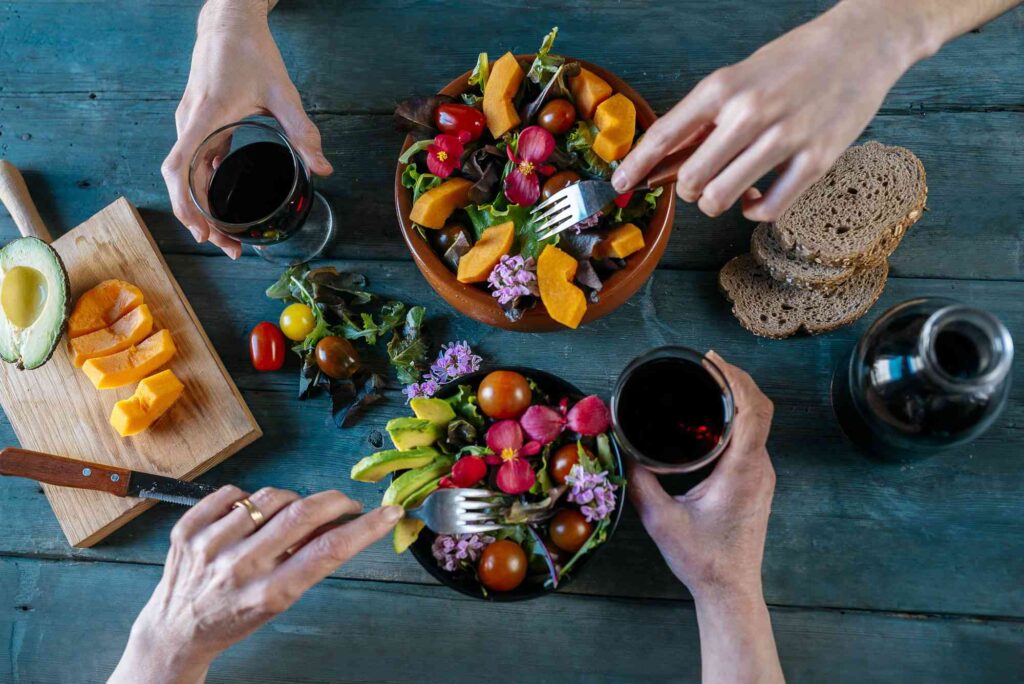
Vegetarians may rely on processed meat substitutes, refined carbs, sugar-sweetened yogurts, or cheese-heavy meals and still technically fit the diet.
Plant-based eaters, however, strive to avoid processed ingredients. Their plates are built from whole grains, legumes, vegetables, and nuts/seeds. Even processed vegan foods like mock meats and faux cheeses are limited.
Example:
- A vegetarian lunch might be mac & cheese or a veggie burger with fries.
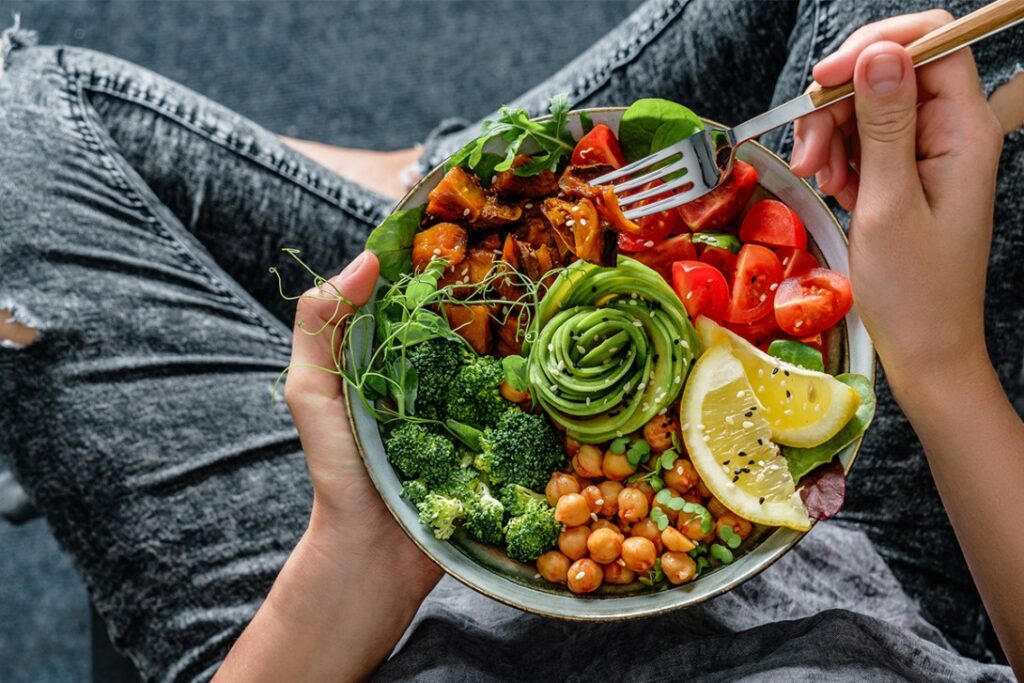
- A plant-based lunch might be a quinoa bowl with roasted vegetables, hummus, and tahini dressing.
2. Nutritional Focus
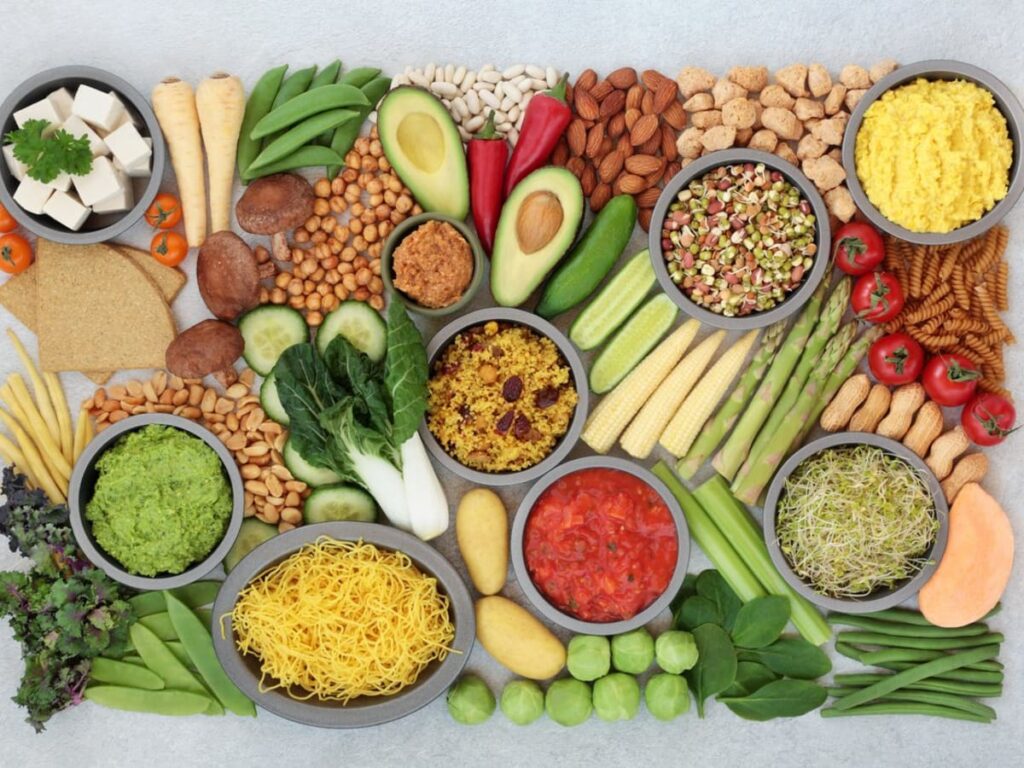
Plant-based diets are often driven by health goals:
- Weight management
- Blood pressure and cholesterol control
- Disease prevention (heart disease, type 2 diabetes, certain cancers)
- Anti-inflammatory benefits
Vegetarians may also pursue health, but often with a less rigorous nutritional lens. Many vegetarians eat plenty of refined grains, sugary snacks, or cheese-heavy meals that aren’t always ideal from a health perspective.
3. Inclusion of Animal Products
- Vegetarian diets often include dairy and eggs, which can provide convenient sources of protein, calcium, vitamin B12, and omega-3s.
- Plant-based diets, in their strictest form, exclude all animal-derived products, and these nutrients must be obtained from plant-based alternatives or supplements.
4. Flexibility and Lifestyle Approach
“Vegetarian” is a more defined category, while “plant-based” is seen more as a spectrum or lifestyle choice.
Someone on a plant-based diet might:
- Be 100% vegan
- Occasionally eat animal products but keep plants central
- Focus purely on the health benefits of whole-food plants without labeling themselves
Nutritional Considerations for Both Diets (Without Meat or Animal Products)
When either diet excludes all animal foods, there are a few nutrients you’ll need to pay special attention to:
1. Protein
Plants provide plenty of protein when you know where to look:
- Lentils, chickpeas, black beans
- Quinoa, buckwheat, amaranth
- Tofu, tempeh, seitan (if soy and wheat gluten are included)
- Nuts, seeds, and nut butters
- Plant-based protein powders (pea, hemp, rice)
Tip: Combine legumes and whole grains for a complete amino acid profile.
2. Vitamin B12
Essential for nerve function and red blood cell production. It’s not found naturally in plant foods.

- Fortified plant milks, cereals, or nutritional yeast
- B12 supplements (highly recommended for strict plant-based diets)
3. Iron
Plant-based iron is non-heme and less easily absorbed.
- Sources: spinach, lentils, pumpkin seeds, tofu
- Pair with vitamin C (citrus, bell peppers) to boost absorption
4. Omega-3 Fatty Acids
Absent from most plant diets unless flaxseeds, chia seeds, walnuts, or algae-based supplements are included.
5. Calcium & Vitamin D
Important for bone health. With dairy excluded, rely on:
- Fortified plant milks and juices
- Leafy greens, tahini, almonds
- Vitamin D supplements if needed
6. Zinc
Supports immune function and wound healing.
- Found in legumes, whole grains, pumpkin seeds, and nuts
Meal Planning on a Plant-Based or Vegetarian Diet
Here’s how a full day might look without meat, fish, or animal products:

Breakfast
- Overnight oats with chia seeds, almond milk, and fresh berries
- Sprinkle with hemp seeds and a drizzle of almond butter
Lunch
- Lentil and quinoa salad with cherry tomatoes, cucumbers, red onions, and a lemon-tahini dressing
- Side of steamed broccoli or kale
Snack
- Hummus with raw vegetables or a handful of trail mix with almonds and dried fruit
Dinner
- Sweet potato and black bean chili with brown rice
- Mixed greens with avocado and sunflower seeds
Which Diet Is Right for You?
Choose Vegetarian if:
- You enjoy eggs and dairy and want an easier transition away from meat
- Your focus is ethical or religious rather than health-centered
- You want more flexibility while still cutting out meat and fish
Choose Plant-Based if:
- Your primary goal is optimal health and disease prevention
- You want to reduce or eliminate highly processed foods
- You prefer to avoid all animal products, including eggs and dairy
- You want a diet rich in whole, unrefined plants
Remember, either approach can be healthy and sustainable—what matters most is how you implement it.
Final Thoughts
While plant-based and vegetarian diets share a common goal—reducing or eliminating meat—they differ in philosophy, flexibility, and nutritional focus.
- A vegetarian diet is structured, may include dairy and eggs, and is often driven by ethics.
- A plant-based diet emphasizes health and whole foods, typically excludes all animal products, and avoids processed food—even vegan junk food.
If you’re considering either path, focus on real, whole foods, plan balanced meals, and stay mindful of key nutrients like protein, B12, iron, and calcium. Whether you’re aiming to protect animals, improve your health, or save the planet, there’s a plant-powered way to do it right.