Boost Your Energy and Beat Fatigue—All Without Animal Products
If you’ve made the transition to a plant-based diet, you’re already doing your body—and the planet—a great favor. You’re likely eating more fiber, antioxidants, and heart-healthy nutrients. But there’s one common challenge plant-based eaters often face: getting enough iron.
Iron is essential for energy, immunity, and oxygen transport throughout your body. Without enough of it, you might feel tired, weak, dizzy, or frequently ill. Since plant-based iron sources are a little trickier for your body to absorb compared to animal-based iron, you’ll need to be more intentional about your intake.
Don’t worry—there are plenty of effective, delicious, and 100% plant-based ways to increase iron in your diet. Let’s explore how.
Why Iron Matters
Iron is a mineral that plays a key role in:
- Carrying oxygen in red blood cells (via hemoglobin)
- Supporting metabolism and cellular energy
- Fueling muscle function (myoglobin)
- Promoting immune health
When iron levels are low, the body can’t produce enough healthy red blood cells, leading to iron deficiency anemia—a condition more common among women, children, and plant-based eaters.
Heme vs. Non-Heme Iron: What’s the Difference?
There are two types of dietary iron:
- Heme iron: Found in meat, poultry, and fish. It’s easily absorbed by the body (up to 30%).
- Non-heme iron: Found in plant foods like legumes, grains, and leafy greens. Absorption is lower (2–20%) and influenced by other dietary factors.
Since plant-based diets include only non-heme iron, you need to consume more iron-rich foods and use strategies to enhance absorption.
Top Plant-Based Sources of Iron
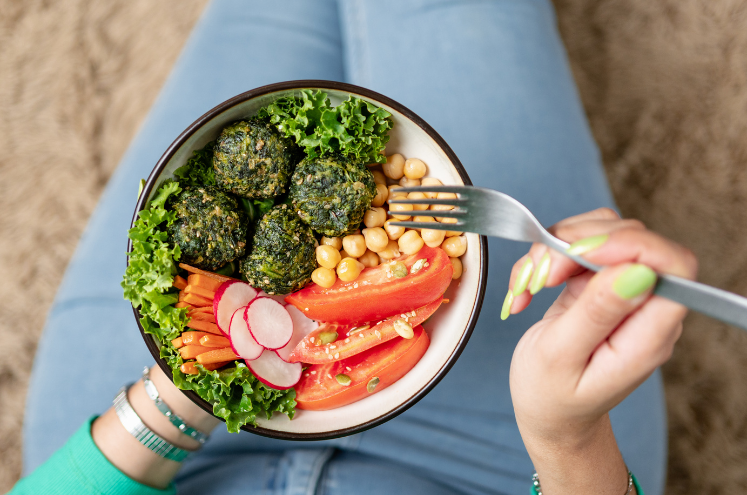
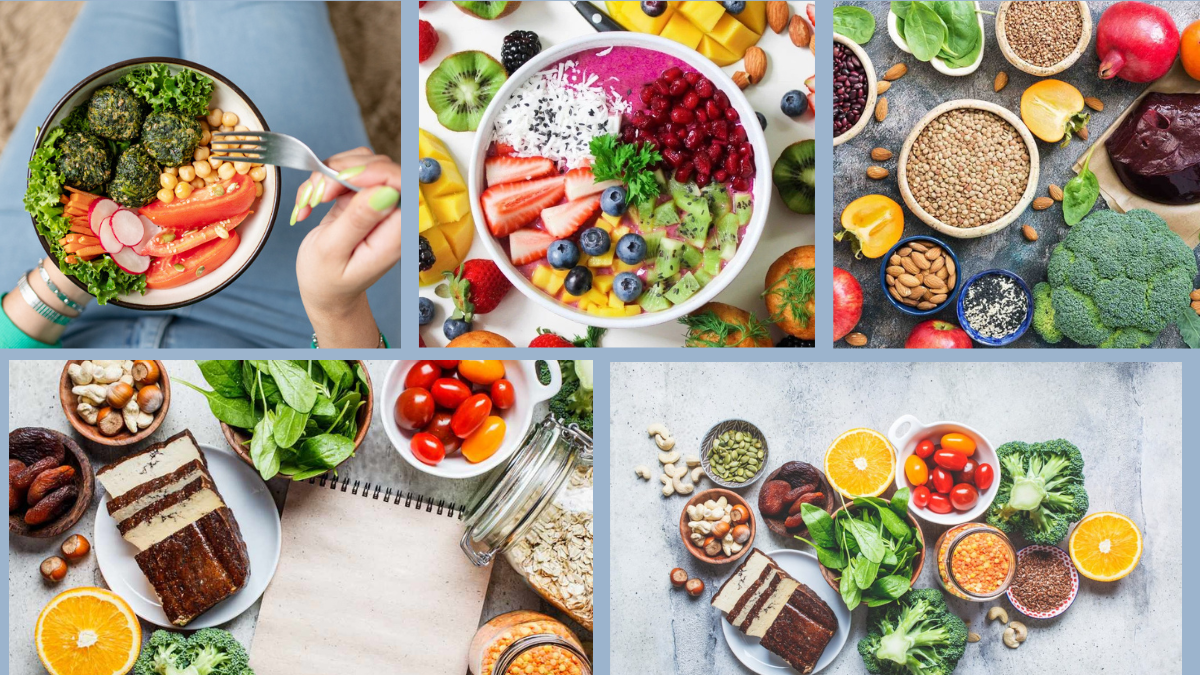
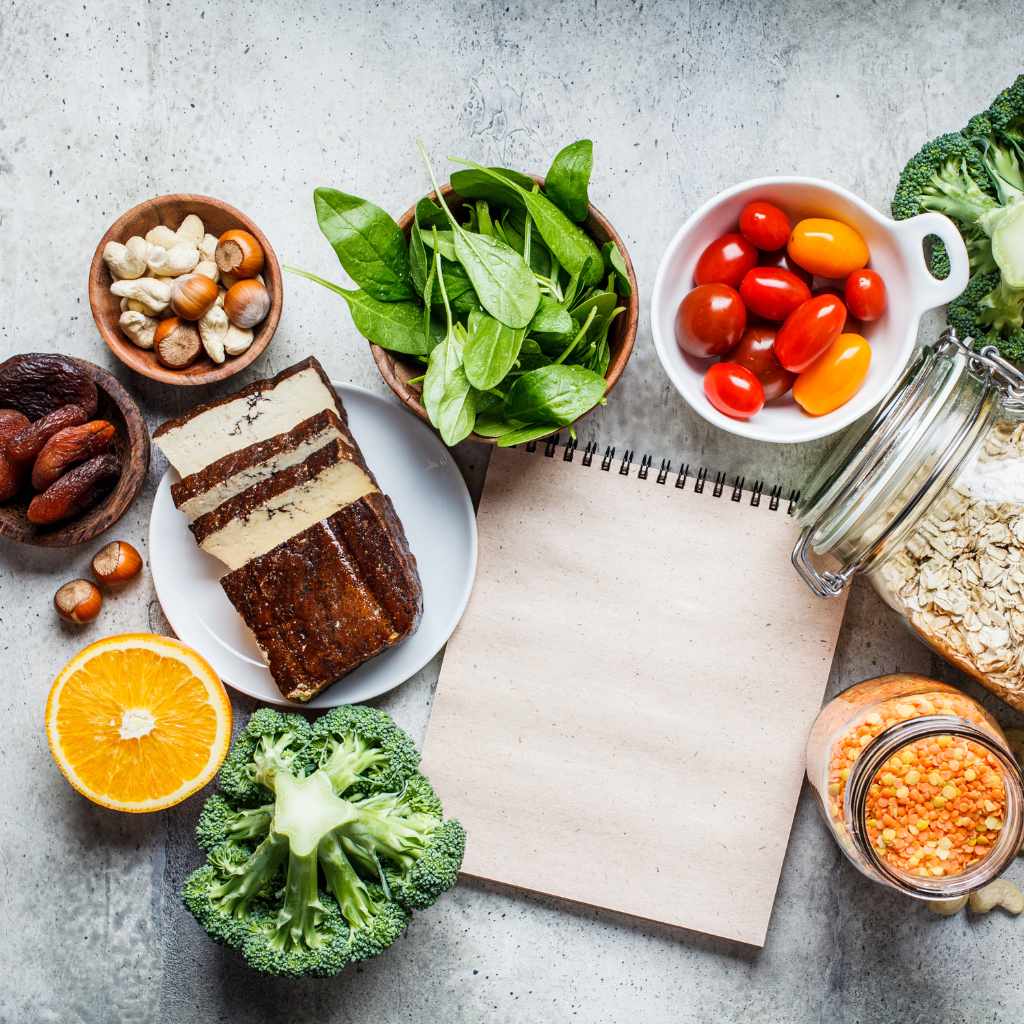
Here are some of the best iron-rich foods that are completely free of animal products:
1. Legumes
Beans, lentils, chickpeas, and soy products are iron superstars.
- 1 cup of cooked lentils = ~6.6 mg of iron
- 1 cup of cooked black beans = ~3.6 mg
- ½ cup of firm tofu = ~3 mg
Bonus: These are also packed with protein and fiber.
2. Whole Grains
Whole grains contain more iron than refined versions.
- Quinoa: A complete protein and iron-rich grain (~2.8 mg per cup cooked)
- Oats: ~1.7 mg per ½ cup dry
- Amaranth and teff: Ancient grains with particularly high iron levels
Tip: Use whole grains as a base for bowls, salads, and breakfast porridge.
3. Dark Leafy Greens
These veggies are nutrient-dense and iron-packed.
- Spinach: 6.4 mg per cup (cooked)
- Kale, Swiss chard, and collard greens: Also excellent options
Cook greens to reduce oxalates, which can inhibit iron absorption.
4. Nuts and Seeds
Tiny but mighty, these pack a punch of iron, healthy fats, and minerals.
- Pumpkin seeds: 2.5 mg per ounce
- Sesame seeds (and tahini): ~1.3 mg per tablespoon
- Chia, hemp, flax, cashews, and almonds also contribute
Sprinkle on salads, yogurt alternatives, or blend into smoothies.
5. Iron-Fortified Foods
Many plant-based products are fortified to help you meet your needs.
- Breakfast cereals (choose low-sugar, whole grain versions)
- Plant-based milks like soy or almond (check the label)
- Nutritional yeast (some brands add iron, plus vitamin B12)
Tip: Fortified foods are especially helpful if your diet is limited or you’re on the go.
6. Dried Fruits
These make iron-rich snacking easy and sweet.
- Dried apricots, prunes, figs, and raisins: ~1–2 mg per handful
- Great to mix into oatmeal or trail mix
Keep portions moderate to manage sugar content.
7. Molasses
Blackstrap molasses is a surprisingly rich source of iron and other minerals.
- 1 tablespoon = ~3.5 mg of iron
- Add to smoothies, baked goods, or warm plant milk with cinnamon
It’s a great natural sweetener with a boost of nutrients.
Boost Absorption with Vitamin C
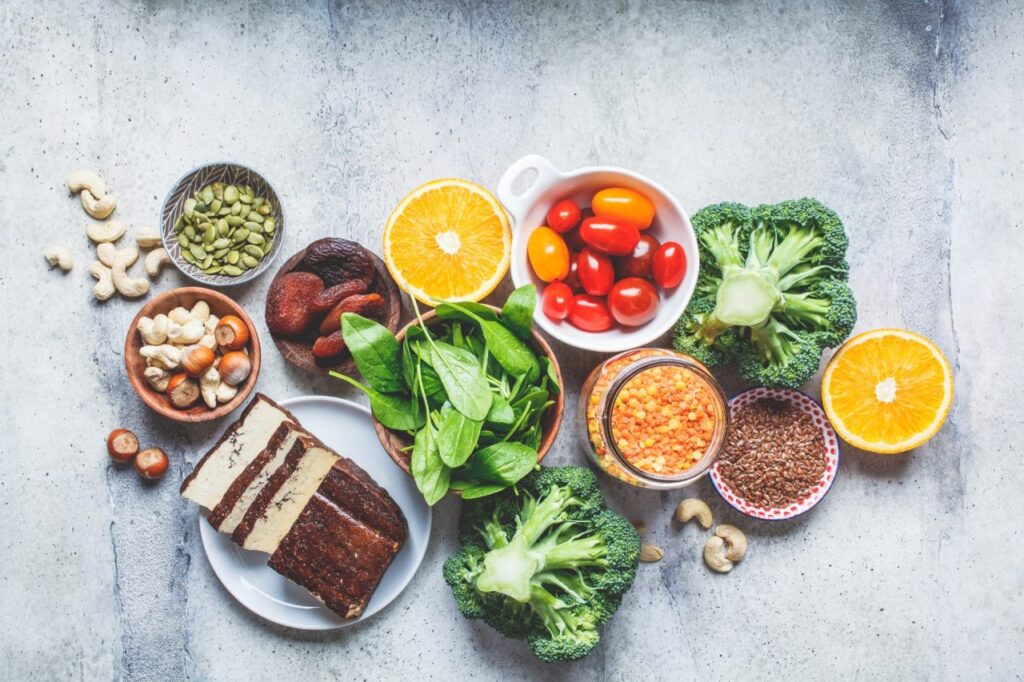
Here’s the trick: non-heme iron needs a helper to be fully absorbed. That helper is vitamin C.
Vitamin C transforms non-heme iron into a more absorbable form. Pairing iron-rich foods with vitamin C–rich produce can double or triple your absorption.
Great sources of vitamin C include:
- Citrus fruits (oranges, lemons, grapefruits)
- Bell peppers
- Strawberries
- Kiwi
- Tomatoes
- Broccoli
Example pairing ideas:
- Lentil soup + squeeze of lemon
- Tofu stir-fry + red bell peppers
- Oats with strawberries
- Chickpea salad with tomatoes and parsley
Limit Iron Blockers
Certain substances can interfere with iron absorption. If you’re eating an iron-rich meal, try to avoid the following at the same time:
1. Coffee and Tea
- Contain polyphenols and tannins that bind iron and reduce absorption
- Wait at least an hour after eating to drink them
2. Calcium Supplements
- Compete with iron for absorption
- Take them at a different time of day than your iron-rich meals
3. High-Phytate Foods
- Found in whole grains and legumes
- Soaking, sprouting, or fermenting reduces phytates and enhances absorption
Soak your beans overnight, try sprouted breads, and experiment with fermented foods like tempeh.
Sample One-Day Plant-Based Iron-Boosting Meal Plan
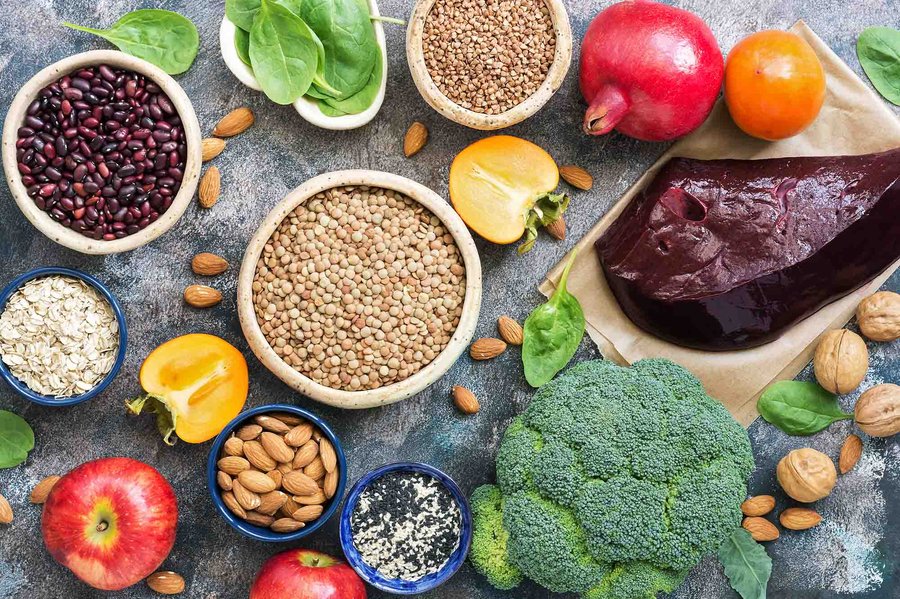
Here’s a full day of iron-rich eating—100% vegetarian and optimized for absorption.
Breakfast
- Steel-cut oats topped with chia seeds, pumpkin seeds, raisins, and strawberries
- Orange juice or a kiwi on the side
Snack
- Roasted chickpeas or trail mix with almonds, cashews, and dried apricots
Lunch
- Quinoa and lentil salad with kale, cherry tomatoes, and lemon-tahini dressing
- A glass of vitamin C–fortified plant milk
Snack
- Whole grain toast with almond butter and sliced banana
- Herbal tea or water
Dinner
- Tofu stir-fry with bok choy, bell peppers, and brown rice
- Steamed broccoli with sesame seeds
- Fruit salad with pineapple and oranges
Should You Consider an Iron Supplement?
If you’re eating a variety of iron-rich foods and still experiencing symptoms like fatigue, shortness of breath, or frequent illness, it may be time to test your iron levels.

Women—especially those who are pregnant, menstruating heavily, or athletes—are at higher risk of deficiency.
Speak with a healthcare provider about testing your ferritin and iron levels. If needed, they may recommend a plant-based iron supplement, often paired with vitamin C for better absorption.
Final Thoughts: Ironing Out Your Diet the Smart Way
Getting enough iron on a plant-based diet is totally achievable—with the right approach. By choosing iron-rich plant foods, combining them with vitamin C, avoiding absorption blockers, and making small tweaks to your routine, you can stay energized, focused, and strong without ever needing meat.
Here’s the cheat sheet:
- Eat more legumes, leafy greens, whole grains, seeds, and dried fruits
- Pair them with vitamin C–rich foods
- Limit tea, coffee, and calcium supplements around meals
- Soak and sprout to reduce phytates
- Consider testing your iron levels if symptoms arise
Iron isn’t just for meat-eaters—it’s for mindful eaters. With these strategies, your plant-based plate can power you through every day with strength and vitality.