.
Introduction: Garlic—A Tiny Clove with Big Benefits
Garlic has long been prized not just as a culinary staple, but as a natural healer. With its bold aroma and pungent flavor, garlic is a kitchen essential in cultures across the globe. But beyond enhancing your favorite dishes, garlic has a growing reputation in modern science for supporting heart health in significant ways.
If you’re following a vegetarian or plant-based lifestyle, garlic offers a completely plant-sourced, easy-to-use addition to your meals—no animal products required. From lowering blood pressure to improving circulation and reducing cholesterol, this humble bulb has a lot to offer for your cardiovascular well-being.
In this article, we’ll break down how garlic works, the science behind its benefits, and how to incorporate it into your daily plant-based routine.
Why Heart Health Matters (Even if You’re Young)
Heart disease is the leading cause of death worldwide. While genetics and age can play a role, many risk factors—including high blood pressure, high cholesterol, obesity, and inflammation—are largely influenced by diet and lifestyle.
A heart-healthy diet rich in plant-based foods, fiber, antioxidants, and healthy fats can significantly reduce your risk. Garlic, in particular, stands out for its impressive medicinal properties and long history as a heart helper.

The Secret Ingredient: Allicin
Garlic’s main medicinal compound is allicin, a sulfur-containing phytochemical that’s released when garlic is crushed or chopped. Allicin has been studied for its effects on reducing blood pressure, improving cholesterol levels, and fighting oxidative stress—key contributors to cardiovascular disease.
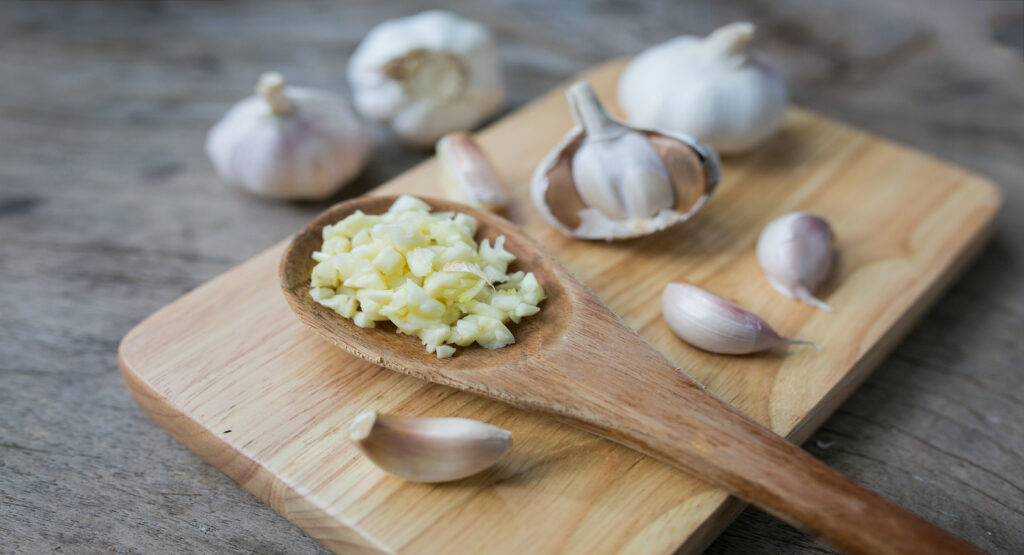
However, allicin is delicate and degrades quickly when heated. That’s why nutritionists often recommend letting chopped garlic sit for 10 minutes before cooking—or even eating some raw—to maximize its benefits.
1. Garlic Helps Lower Blood Pressure Naturally
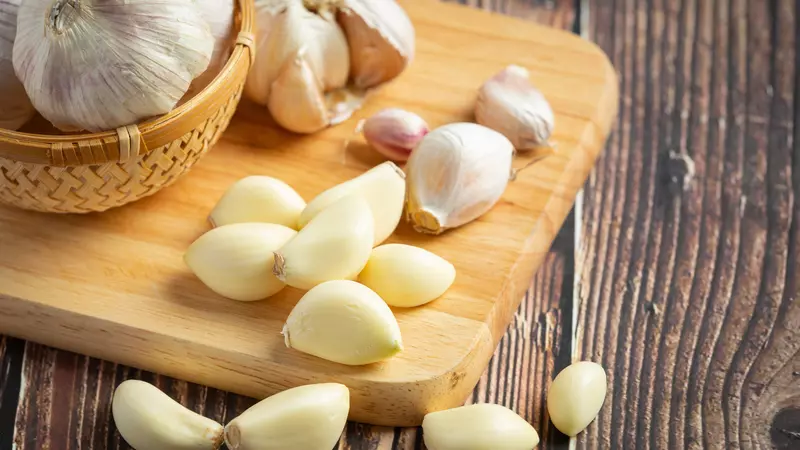
High blood pressure (hypertension) puts extra strain on your heart and arteries, increasing the risk of stroke, heart attack, and kidney problems. Multiple studies have found that garlic can help reduce blood pressure levels, especially in individuals with elevated readings.
A meta-analysis published in Nutrition found that aged garlic extract lowered systolic and diastolic blood pressure significantly in people with uncontrolled hypertension—comparable to standard medications, but without the side effects.
How it works: Allicin helps relax blood vessels and improves the production of nitric oxide, which supports better blood flow and reduces vascular tension.
Plant-based tip: Add fresh garlic to raw salads, avocado toast, or dips like hummus and baba ghanoush to support healthy blood pressure.

2. Garlic May Reduce “Bad” Cholesterol (LDL)
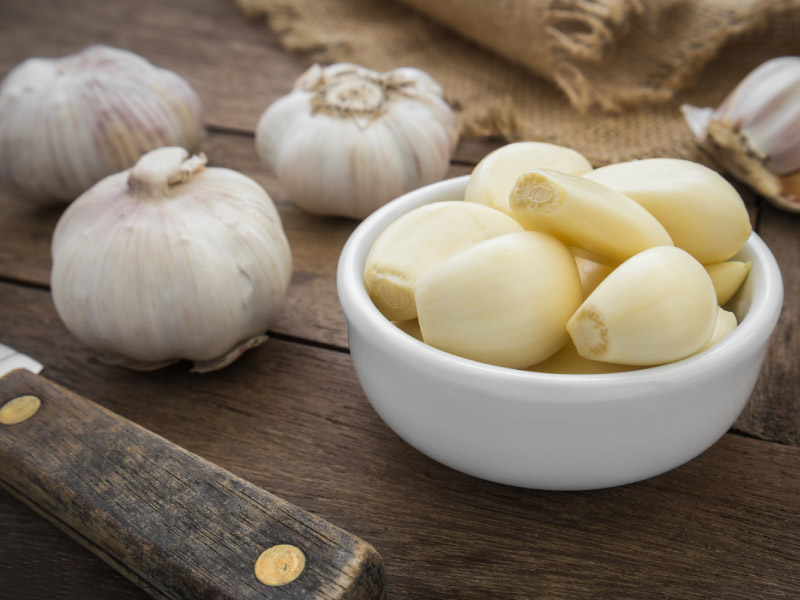
High levels of LDL cholesterol can lead to plaque buildup in your arteries, increasing the risk of heart disease and stroke. Garlic appears to modestly reduce LDL levels, while sometimes slightly raising HDL (“good” cholesterol).
A study in the Journal of Nutrition found that supplementing with aged garlic extract for six months reduced total cholesterol and LDL by up to 10%, especially in individuals with high baseline levels.
What’s even better? Garlic has no saturated fats or dietary cholesterol, making it an ideal component of a heart-healthy vegetarian diet.
Plant-based tip: Use garlic in lentil stews, roasted vegetables, or grain bowls to add both flavor and cholesterol-lowering potential.
3. Garlic Fights Inflammation and Oxidative Stress
Chronic inflammation and oxidative stress contribute to damage in the arteries, making them more vulnerable to plaque buildup and dysfunction. Garlic is rich in antioxidants, especially when consumed raw or minimally cooked.
Compounds in garlic help neutralize harmful free radicals and support the body’s glutathione production, a natural antioxidant defense. Some studies also show garlic may reduce markers of C-reactive protein (CRP), a blood indicator of systemic inflammation.

Plant-based tip: Make a raw garlic vinaigrette with olive oil, lemon juice, and herbs to drizzle over leafy greens and grilled tofu.
4. Garlic Supports Healthy Circulation and Blood Flow
Poor circulation can lead to fatigue, cold hands and feet, and even higher risks of clotting. Garlic’s vasodilatory effects help improve circulation, making it easier for oxygen and nutrients to reach your tissues and organs.
Research suggests garlic may also help prevent platelet aggregation, which means it reduces the risk of blood clots forming unnecessarily in your vessels—a major contributor to heart attacks and strokes.
Plant-based tip: Combine garlic with circulation-boosting foods like beets, leafy greens, and berries for a powerhouse meal.
5. Garlic May Protect Brain and Heart Together
The heart and brain are closely connected. What’s good for your arteries is often good for your neurons. Garlic’s antioxidant and anti-inflammatory effects may offer protection against cognitive decline, which is often tied to poor vascular health.
Some animal studies have shown garlic improves memory and learning, and reduces oxidative damage in brain tissue. While more human research is needed, it reinforces garlic’s broad benefits across the cardiovascular system.

Plant-based tip: Try garlic-miso soup or garlic-roasted sweet potatoes with turmeric for a heart- and brain-boosting combo.
6. Garlic Complements Other Heart-Healthy Plant Foods
Garlic shines best when it’s part of a larger heart-supportive, plant-based lifestyle. Whole grains, legumes, dark leafy greens, nuts, seeds, and healthy fats (like olive oil and avocado) all work synergistically with garlic to:
- Lower cholesterol
- Manage blood sugar
- Reduce inflammation
- Promote healthy blood pressure
Garlic’s versatility makes it easy to integrate into almost any plant-based dish, enhancing flavor without the need for added salt, dairy, or processed sauces.
How Much Garlic Should You Eat?
For general heart health support, 1–2 cloves of raw or lightly cooked garlic per day is usually recommended by nutritionists. If using garlic supplements or aged garlic extract, aim for 300–600 mg daily (consult with a healthcare provider first).
Pro Tip: Chop or crush garlic and let it sit for 5–10 minutes before cooking. This activates allicin and helps preserve its beneficial compounds during light cooking.
Precautions to Keep in Mind
Garlic is generally safe for most people when eaten in food amounts. However, large doses or supplements may cause:

- Digestive discomfort
- Garlic breath or body odor
- Interaction with blood thinners or medications
If you’re taking anticoagulants or preparing for surgery, consult a healthcare professional before increasing your garlic intake significantly.
Summary: A Heart-Healthy Herb You’ll Love to Use
Garlic isn’t just a flavor booster—it’s a cardiovascular ally that supports healthy blood pressure, improves cholesterol levels, reduces inflammation, and promotes optimal circulation. Whether raw, roasted, or blended into dressings, garlic fits beautifully into a vegetarian or plant-based diet focused on heart health.
Easy Heart-Healthy Garlic Recipes
- Garlic-Lemon Chickpea Hummus
- Roasted Garlic and Cauliflower Soup
- Whole Grain Pasta with Garlic and Spinach
- Tofu Stir-Fry with Garlic-Tamari Sauce
- Garlic-Miso Dressing over Steamed Greens