
Few fruits can match the irresistible sweetness, aroma, and tropical charm of a ripe mango. Whether you’re slicing it for a salad, blending it into a smoothie, or enjoying it fresh off the skin, a perfectly ripe mango is a delight. However, mangoes are delicate, and their ripening process can be tricky if not handled with care. Improper storage can lead to overripeness, bruising, or even spoilage.
In this comprehensive guide, you’ll learn how to store mangoes at every stage — from firm and underripe to juicy and ripe — using only natural, vegetarian-friendly methods (with no non-veg additives or chemicals). Let’s explore how to enjoy mangoes at their absolute best — safely and deliciously.
Understanding Mango Ripening
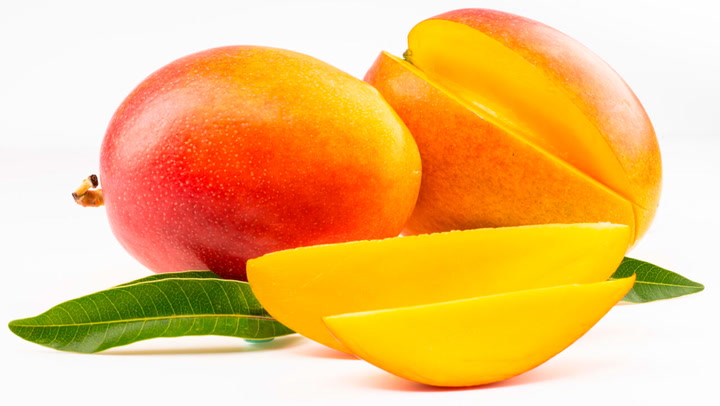
Mangoes are climacteric fruits, which means they continue to ripen after being harvested. This gives you flexibility — you can buy them underripe and let them ripen at home, or store ripe ones for short periods before consuming.
How to Tell If a Mango Is Ripe:
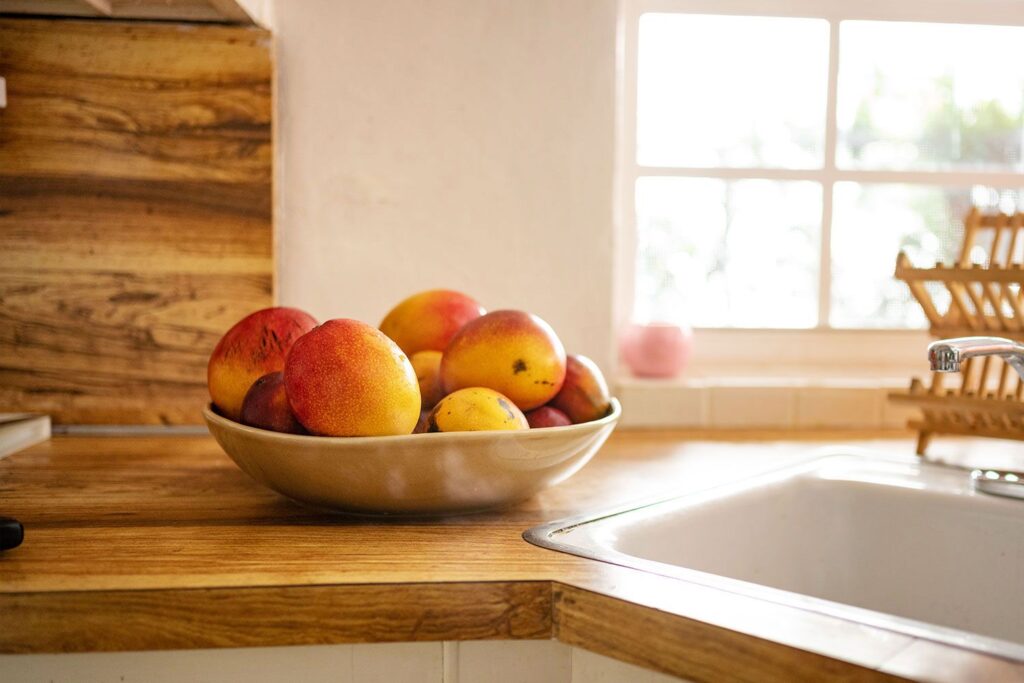
- Color: Varies by variety but often develops rich yellow, red, or orange tones.
- Texture: Slightly soft to the touch, like a ripe peach.
- Aroma: Strong, sweet fragrance near the stem end.
- Feel: Slight give when gently squeezed (not mushy).
Unripe mangoes are firm, often green, and lack aroma.
Step 1: How to Store Unripe Mangoes at Room Temperature
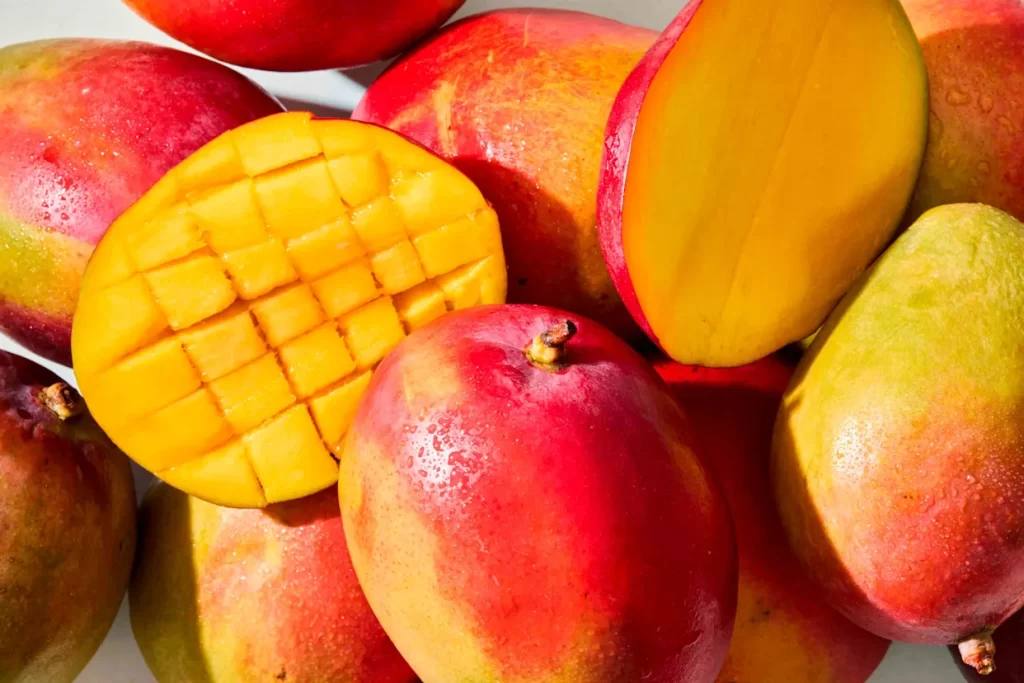
If your mangoes are still green and firm, let them ripen naturally at room temperature.

Instructions:
- Place mangoes in a bowl or basket at room temperature (20–24°C or 68–75°F).
- Keep out of direct sunlight.
- Flip them daily to prevent bruising.
- Allow 3–7 days to ripen, depending on the variety and firmness.
Speed Up Ripening:
To ripen mangoes faster, place them in a brown paper bag with a banana or apple. These fruits release ethylene gas, which accelerates ripening.
- Fold the bag loosely and check daily.
- You’ll notice a stronger aroma and softer texture within 1–3 days.
Do not use plastic bags — they trap moisture and cause rot or mold.
Step 2: How to Store Ripe Mangoes in the Refrigerator
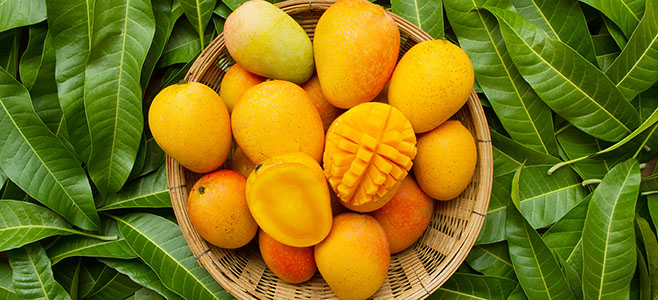
Once your mangoes are ripe, you must refrigerate them to slow down ripening and avoid spoilage.
Storing Whole Ripe Mangoes:
- Place ripe mangoes (whole) in the vegetable crisper drawer of your fridge.
- Store loosely to prevent bruising.
- They will stay fresh for up to 5–7 days.
Tip: You can wrap each mango in a clean paper towel to absorb excess moisture and prevent wrinkling.
Storing Cut Mangoes:
- Peel and slice the mango.
- Place pieces in an airtight glass or BPA-free plastic container.
- Optional: Squeeze a little fresh lemon or lime juice on top to prevent browning.
Shelf life of cut mangoes in the fridge: 3–4 days

Step 3: How to Freeze Mangoes for Long-Term Use
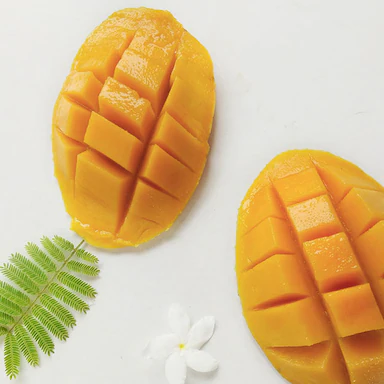
Got more ripe mangoes than you can eat? Freezing is a great, all-natural solution.
How to Freeze Mango Cubes:
- Peel the mango and cut it into cubes.
- Spread the cubes on a parchment-lined tray in a single layer.
- Freeze for 3–4 hours until solid.
- Transfer cubes into a freezer-safe bag or container and label with the date.
Freezer life: Up to 10–12 months
Best Uses for Frozen Mango:
- Smoothies
- Sorbets
- Fruit sauces
- Vegan mango lassi
- Mango popsicles
Frozen mango won’t have the same texture when thawed, so it’s best used in blended or cooked dishes.
Common Mango Storage Mistakes to Avoid
1. Refrigerating Unripe Mangoes
Cold temperatures halt the ripening process. Only refrigerate once the mango is fully ripe.
2. Sealing Ripe Mangoes in Plastic Bags
This traps moisture, which leads to mold and spoilage. Use breathable paper or containers.

3. Leaving Cut Mangoes Uncovered
Cut mangoes dry out quickly and absorb odors. Always use an airtight container.
4. Ignoring Variety Differences
Some varieties (like Alphonso or Ataulfo) ripen faster than others (like Tommy Atkins or Kent). Monitor accordingly.
Mango Storage Summary Chart
| Mango State | Storage Method | Duration | Notes |
|---|---|---|---|
| Unripe (firm) | Room temp, in bowl or paper bag | 3–7 days | Add banana to speed up ripening |
| Ripe (whole) | Refrigerator, in crisper drawer | 5–7 days | Wrap in paper towel to reduce moisture |
| Ripe (cut) | Airtight container in fridge | 3–4 days | Optional: lemon/lime juice for freshness |
| Frozen (cubed) | Freezer-safe bag or container | Up to 12 months | Use for smoothies, lassi, or sorbet |
Creative Vegetarian Ways to Use Mangoes
If your mango is ripening fast, don’t let it go to waste. Try these plant-based ideas:
Mango Chia Pudding
Mix mango puree with coconut milk and chia seeds. Let set overnight.
Mango Curry
Use slightly overripe mangoes in a sweet-spicy vegetarian coconut curry.

Mango Smoothie
Blend mango, banana, plant-based yogurt, and ice.
Mango Salad
Combine mango chunks with cucumber, avocado, mint, and lime.
Vegan Mango Sorbet
Puree frozen mango with a splash of maple syrup and lime juice.
All recipes are 100% vegetarian, with no artificial additives or animal-derived ingredients.
Natural Tips to Maximize Mango Shelf Life
- Handle with care — mangoes bruise easily. Always place them gently on surfaces.
- Avoid washing until ready to eat — moisture on the skin encourages mold.
- Store cut mangoes away from strong-smelling foods — they easily absorb odors.
- Use ripeness reminders — Place a sticky note or marker to remember which mangoes are ripe first.
Final Thoughts: Master the Art of Mango Storage Naturally
With the right techniques, you don’t have to miss out on mango season — or waste a single golden bite. Whether you’re storing firm, just-picked mangoes or juicy, ripe ones, proper storage ensures maximum flavor, nutrition, and freshness. By following these simple, natural steps — no chemicals, no animal products — you’ll enjoy delicious mangoes year-round.

In summary:
- Let unripe mangoes ripen at room temperature.
- Refrigerate only once ripe.
- Store cut mangoes in airtight containers.
- Freeze extras for smoothies and sorbets.
- Avoid common storage mistakes to prevent waste.
With a little attention and care, you can ensure every mango ripens to perfection — juicy, fragrant, and naturally delightful.