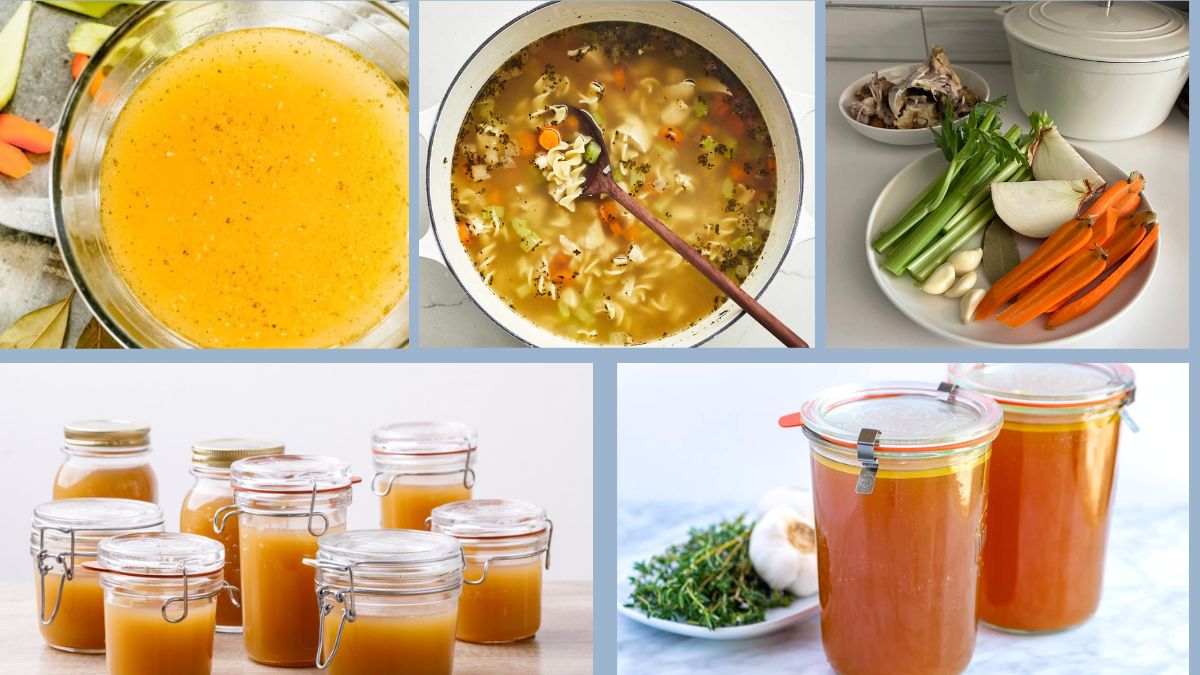
Homemade vegetable stock and broth are essential in a plant‑based kitchen. They’re the foundation of nourishing soups, flavorful grains, steamy sauces, and hearty braises. But once you’ve simmered the perfect pot of veggie goodness, the real challenge begins: How can you store it to preserve flavor, nutrition, and safety?
In this comprehensive guide, we’ll walk you through everything you need to store homemade plant‑based stock and broth—whether cooling, refrigerating, freezing, or thawing—totally free from non‑veg content.
Why Store Homemade Stock Carefully?
Storing stock poorly can lead to:
- Loss of fresh flavor and aroma
- Nutrient degradation—especially delicate phytonutrients
- Risk of bacterial growth if left too long or handled poorly
- Freezer burn that dulls taste and color
By following smart storage techniques, you can enjoy vibrant, shelf‑stable stock on demand—perfect for quick meals or batch cooking.
Cooling Stock Safely
1. Cool Quickly (Within 2 Hours)
Hot broth in the fridge raises fridge temperature and risks spoilage in other foods. Speed up cooling by:

- Dividing into small pots or wide shallow pans
- Stirring gently or placing the container in an ice bath
- Removing solids like onion skins, peppercorns, herbs to reduce spoilage
2. Skim Fat Debris (If Using Oils/Nuts)
Even plant‑based oils (like olive oil) or nut milks may form surface film. After chilling:
- Skim oils if present
- Strain through a fine sieve to remove debris that could degrade flavor
- Then proceed with refrigeration or freezing
Refrigerating Stock
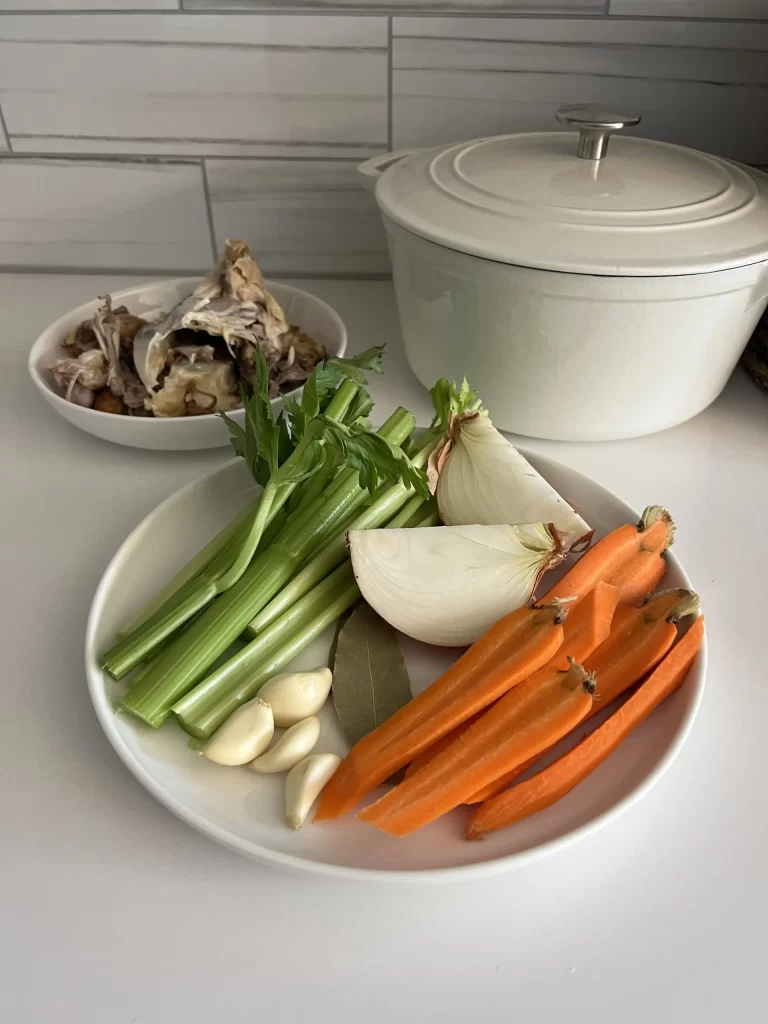
Use Airtight, Food‑Safe Containers
Choose from:
- Glass jars (ideal for flavor retention)
- BPA‑free plastic containers
- Silicone pouches or reusable freezer bags
Fill containers leaving ~2 cm headspace for expansion.
Store on the Coldest Shelf
Place stock in the main fridge area (not the door shelf). This ensures a consistent temperature of ≤ 4°C (≤ 39°F).
Label Clearly
Write on jars or bags:

“Vegetable Stock – Made 2025‑07‑20 – Use by 2025‑07‑27”
Typical Refrigerator Shelf Life:
- Clear vegetable stock: 5–7 days
- Creamy or nut‑based stock: 4–5 days (shake before reheating)
Discard if you detect any off‑odor, cloudiness, separation, or mold.
Freezing Stock for Longer Storage
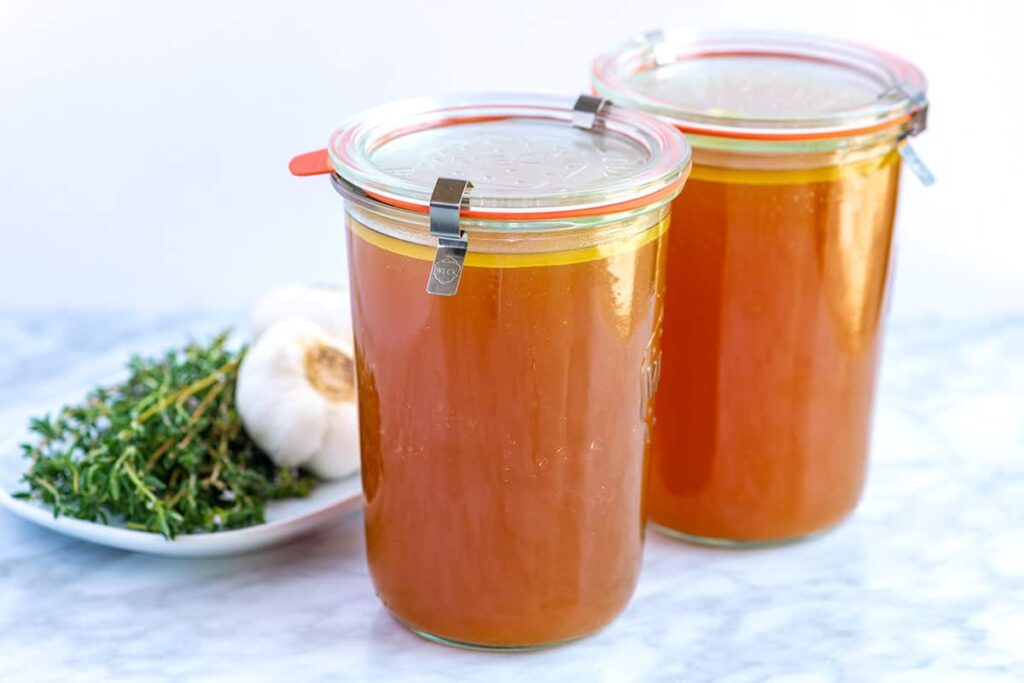
Freezing extends the shelf life of plant‑based stock up to 6 months.
Methods That Work Best:
- Ice cube trays – Perfect for small seasoning amounts
- Silicone muffin pans – Larger portions (~½ cup)
- Freezer bags – Ideal for bulk storage
- Frozen in jars – Make sure ample headspace is left
Flash Freeze for Faster Results
Lay trays or pans flat in the freezer for 2 hours, then transfer solid cubes or lumps into labeled freezer bags. Remove excess air before sealing.
Consider Portioning
Dividing into 250 ml, 500 ml, or 1-liter portions lets you thaw exactly what you need.

Freezing Shelf Life:
- Clear stock: up to 6 months
- Nut-based stock: 3–4 months to preserve freshness
Thawing and Reheating
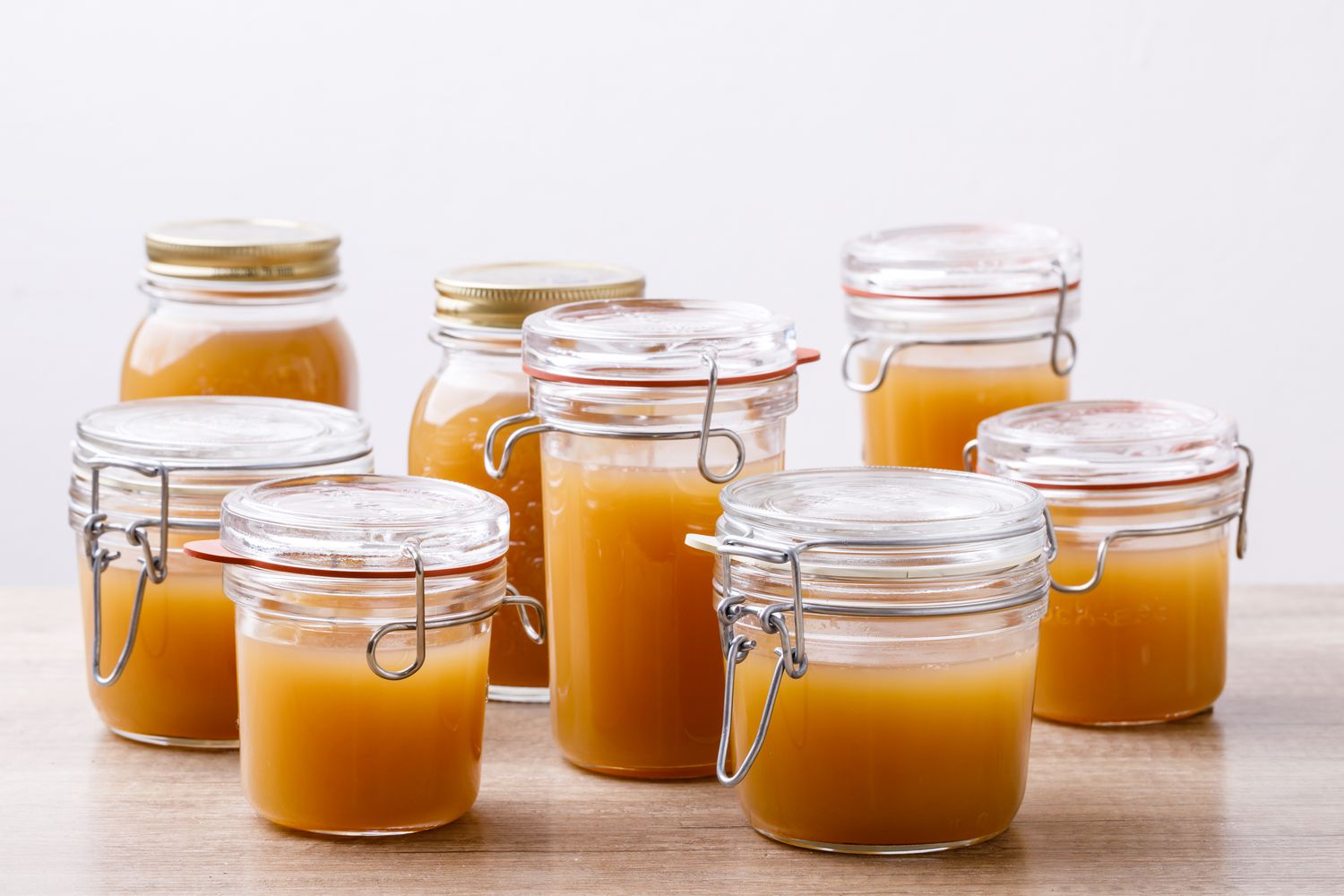
Thawing Methods:
- Refrigerator: Safest method—thaw overnight
- Cold water bath: Seal bag in cold water for quicker thawing (1–2 hours)
- Microwave: Use for small quantities; stir halfway
Reheat Gently
- Warm on stovetop over low heat, stirring occasionally
- Avoid boiling—especially creamy stocks—to preserve flavor
- Taste and adjust seasoning after reheating
Discard Once Reheated
Use the thawed product within one day; do not refreeze.
Using Stored Stock
Here are easy ideas for using homemade plant‑based stock:
- Base for soups: Minestrone, creamy potato leek, coconut‑ginger
- Cooking grains: Rice, quinoa, farro, polenta
- Sauces & gravies: Vegan cream sauce, gravy with mushrooms
- Braised vegetables: Carrots, greens, couscous
- Batters & binding: Use instead of water in pancakes or veggie patty dough
Pro Tips & Troubleshooting
If Stock is Cloudy After Refrigeration
Just skim off the top and reheat gently; cloudiness resolves as proteins dissolve.
For Creamy/Nutty Stocks
Shake before using. Slight separation is normal.
Avoid Stock Odors in Fridge
Use sealed containers and clean those containers regularly.

Prevent Freezer Burn
Squeeze air out of bags. For jars, leave adequate headspace and double-wrap in freezer bags.
Culture Tip
Using vinegar or lemon juice (1 tbsp per liter) helps extract nutrients and prolongs freshness—but test small batches before using.
Quick Reference Guide
| Step | Method | Timeframe |
|---|---|---|
| Cool to room temp | Shallow pan, ice bath | Within 2 hours |
| Refrigerate | Airtight jar or container | 4–7 days (label for clarity) |
| Freeze | Cube tray, pouches, jars | Up to 6 months (clear) / 4 months (creamy) |
| Thaw | Fridge overnight or cold soak | — |
| Reheat & use | Stovetop at low heat | Consume within 24 hours after thaw |
Final Thoughts
Properly cooling, storing, and reheating homemade plant‑based stock and broth ensures that every cup stays full of fresh flavor, nutrition, and kitchen creativity. By using airtight containers, labeling clearly, vs. freezing or refrigerating correctly, you’ll always have a healthy, ready‑to‑use pantry essential—perfect for fast, wholesome cooking.
Simple plant‑based stock made today can fuel delicious meals months down the line—without a drop of non‑veg involved. That’s kitchen smarts and sustainability at their best.