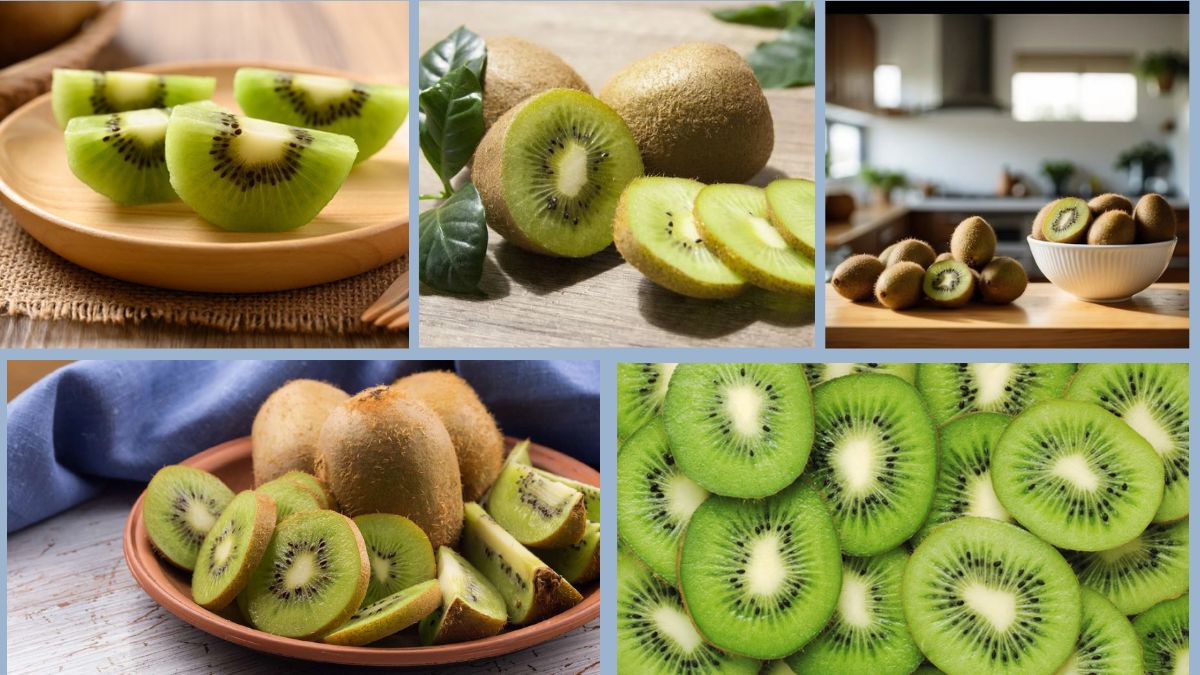
With its bright green flesh, sweet-tart flavor, and wealth of nutrients, kiwi fruit is a delicious and healthful addition to any fruit bowl. Whether you enjoy it in smoothies, salads, desserts, or simply scooped with a spoon, ripe kiwi is a treat. But this soft, delicate fruit can spoil quickly if not stored properly.
In this comprehensive, vegetarian-friendly guide, we’ll walk you through how to store kiwi fruit at every stage of ripeness — using only natural methods — so you can enjoy its vibrant flavor and texture for longer. No chemicals, no animal-based additives — just practical, eco-conscious storage solutions.
Understanding Kiwi Ripening
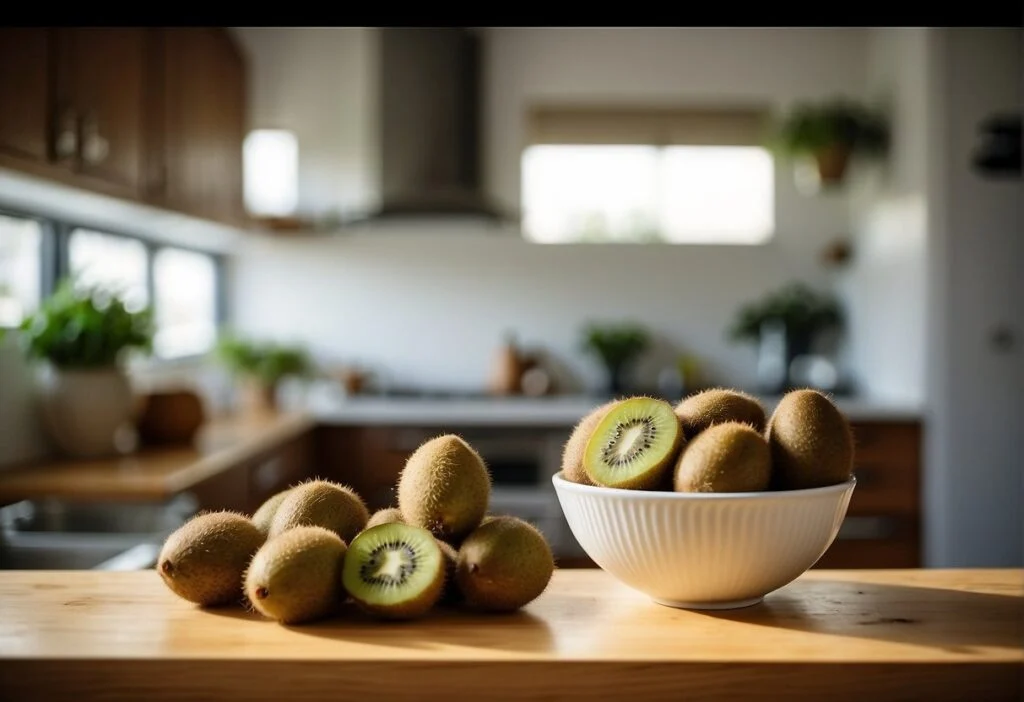
Kiwi is a climacteric fruit, which means it continues to ripen after being harvested. Whether you purchase it firm or already soft, knowing how to store it correctly will determine how long it stays fresh and flavorful.
How to Know If a Kiwi Is Ripe:
- Touch: Gently soft when pressed (like a ripe avocado or peach).
- Skin: May wrinkle slightly but shouldn’t feel mushy.
- Aroma: Subtle sweet fragrance near the stem.
- Taste: Sweet with a hint of acidity.
Unripe kiwi is firm, tart, and lacks sweetness. Overripe kiwi may feel mushy or fermented.
How to Store Unripe Kiwi at Home
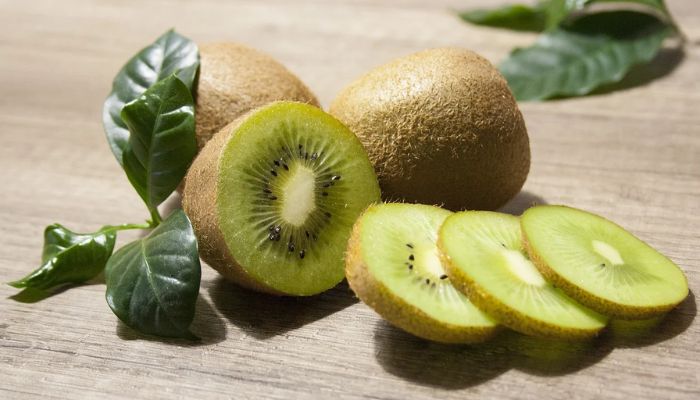
Unripe kiwis can stay fresh for weeks if stored correctly.
Room Temperature (Best for Ripening)
- Place firm kiwis in a bowl or breathable bag at room temperature (60–75°F / 16–24°C).
- Keep away from direct sunlight and heat.
- Allow 3–7 days for ripening.
Speed Up Ripening Naturally
To ripen kiwi faster, place it in a paper bag with a banana or apple. These fruits emit ethylene gas, which promotes ripening.

- Check daily to avoid over-ripening.
- Once soft to the touch, transfer to the refrigerator.
Avoid using plastic bags — they trap moisture and can cause mold.
How to Store Ripe Kiwi
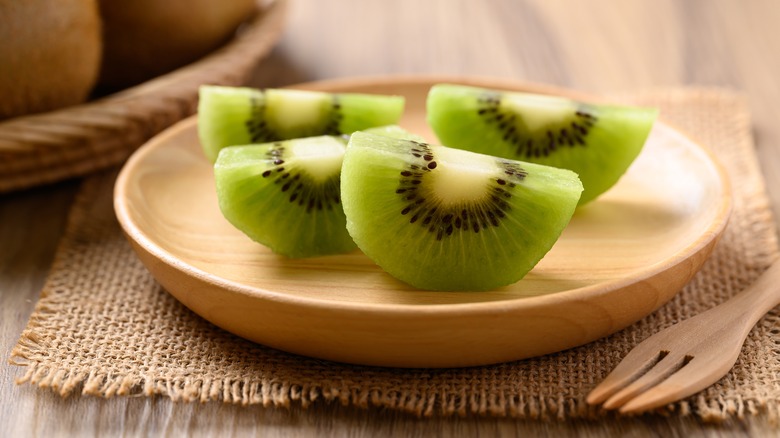
Once your kiwi is ripe, it becomes delicate. To prevent spoilage and preserve freshness:
In the Refrigerator (Whole Kiwis)
- Store ripe, whole kiwis in the refrigerator’s crisper drawer.
- Use a paper bag or breathable produce bag to allow air circulation.
Shelf Life: 7–10 days
In the Refrigerator (Peeled or Sliced)
If you’ve already cut the kiwi:
- Store slices or halves in an airtight container.
- Optionally add a few drops of lemon or lime juice to prevent browning.
- Keep refrigerated and use within a few days.
Shelf Life: 3–4 days
Citrus juice acts as a natural antioxidant and preserves the vibrant green color.

Can You Freeze Kiwi?
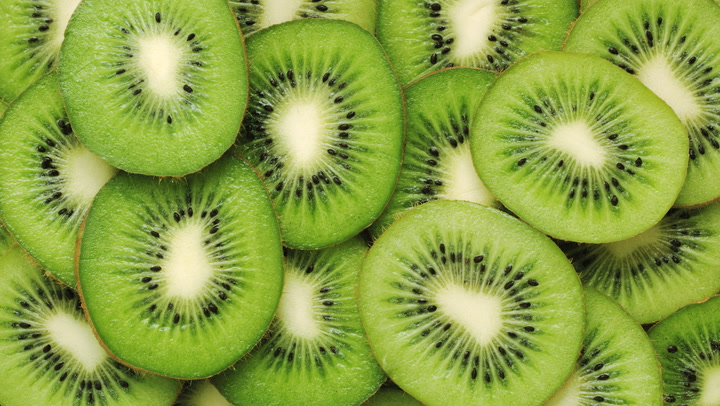
Yes — kiwi can be frozen for long-term storage, though it becomes softer when thawed. It’s best used in smoothies, sauces, or baking after freezing.
How to Freeze Kiwi (Cubed or Sliced)
- Peel and slice the kiwi into rounds or cubes.
- Lay the pieces on a parchment-lined tray in a single layer.
- Freeze for 2–3 hours.
- Transfer to a freezer-safe container or silicone bag.
- Label with the date.
Freezer Life: Up to 10–12 months
Freezing Pureed Kiwi
Kiwi puree freezes beautifully:
- Blend peeled kiwi into a smooth puree.
- Pour into ice cube trays.
- Freeze, then transfer cubes to a freezer bag.
Great for smoothies or sorbets!
Common Kiwi Storage Mistakes
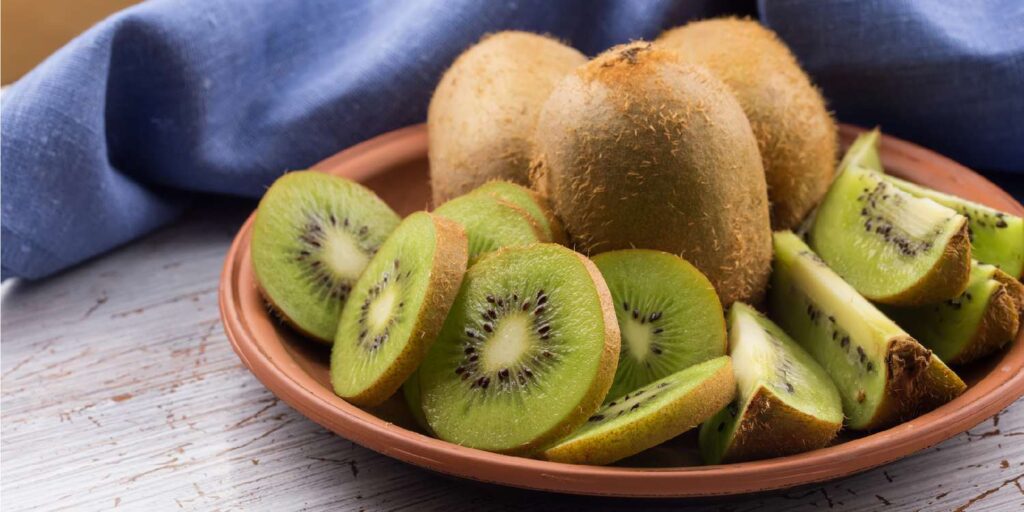
Avoid these errors to prevent spoilage:
1. Refrigerating Unripe Kiwi
Cold temperatures halt the ripening process. Only refrigerate kiwi once it’s soft and ripe.

2. Washing Kiwi Too Early
Excess moisture encourages mold. Wash kiwi just before slicing or eating.
3. Using Plastic Wrap for Cut Kiwi
Plastic traps humidity. Use an airtight glass container or a silicone food wrap instead.
4. Overcrowding in the Fruit Bowl
Kiwis bruise easily. Avoid stacking or overpacking when ripening at room temp.
Kiwi Storage Summary Chart
| Kiwi State | Storage Method | Duration | Notes |
|---|---|---|---|
| Unripe (firm) | Room temp, bowl or paper bag | 3–7 days | Ripens faster with bananas or apples |
| Ripe (whole) | Fridge, crisper drawer | 7–10 days | Store in paper or breathable produce bag |
| Ripe (cut) | Airtight container in fridge | 3–4 days | Optional: lemon/lime juice for freshness |
| Frozen (slices) | Tray freeze, then store in freezer bag | Up to 12 months | Ideal for smoothies or baking |
| Frozen (puree) | Freeze in ice cube trays, then bag | Up to 12 months | Great for drinks and desserts |
Vegetarian-Friendly Uses for Stored Kiwi
When stored correctly, kiwi is not only delicious but versatile in many vegetarian and vegan dishes:
Kiwi Chia Pudding
Layer kiwi slices with chia pudding and coconut yogurt for a refreshing breakfast.
Kiwi Avocado Salad
Combine sliced kiwi, avocado, spinach, and a lime-olive oil dressing.

Green Smoothie
Blend frozen kiwi with banana, spinach, cucumber, and almond milk.
Kiwi Sorbet
Puree frozen kiwi with maple syrup and a splash of lemon juice. Freeze until scoopable.
Kiwi Topping
Use diced kiwi as a topping for overnight oats, vegan cheesecake, or plant-based pancakes.
These recipes are 100% plant-based, using fresh or stored kiwi without animal products or processed ingredients.
Natural Tips for Extending Kiwi Freshness
- Label your kiwis: Mark ripeness dates on a sticker or paper tag.
- Use breathable storage: Avoid airtight containers for whole fruit.
- Freeze in batches: Freeze a few at a time to avoid waste.
- Avoid direct sunlight: Store away from heat and light during ripening.
- Use lemon or lime juice: Natural preservative for sliced fruit.
Eco-Friendly Kiwi Storage Options
For sustainable storage, consider:
- Reusable silicone bags instead of plastic zip-locks.
- Beeswax wraps or vegan alternatives for storing halves.
- Glass containers with airtight lids for cut fruit.
- Compost kiwi skins after peeling (they’re biodegradable!).
Bonus: Can You Eat Kiwi Skin?
Yes! The fuzzy skin is edible and rich in fiber. Wash thoroughly and enjoy with the skin for a nutritional boost — especially if you buy organic kiwi.

Tip: Golden kiwi has a smoother, less fuzzy skin that’s easier to eat whole.
Final Thoughts: Master Kiwi Storage the Natural Way
Kiwi fruit is flavorful, nutritious, and easy to store when you know what to do. With proper handling and eco-friendly storage techniques, you can extend its shelf life naturally — while enjoying it at every stage, from firm and tart to soft and sweet.
Summary of Key Points:
- Ripen unripe kiwi at room temperature.
- Refrigerate only after ripening.
- Use airtight containers for cut kiwi.
- Freeze excess kiwi for smoothies and desserts.
- Avoid plastic and moisture traps.
By following these vegetarian-safe, chemical-free tips, you’ll reduce waste, preserve flavor, and enjoy your kiwi fruit to the fullest — naturally and deliciously.