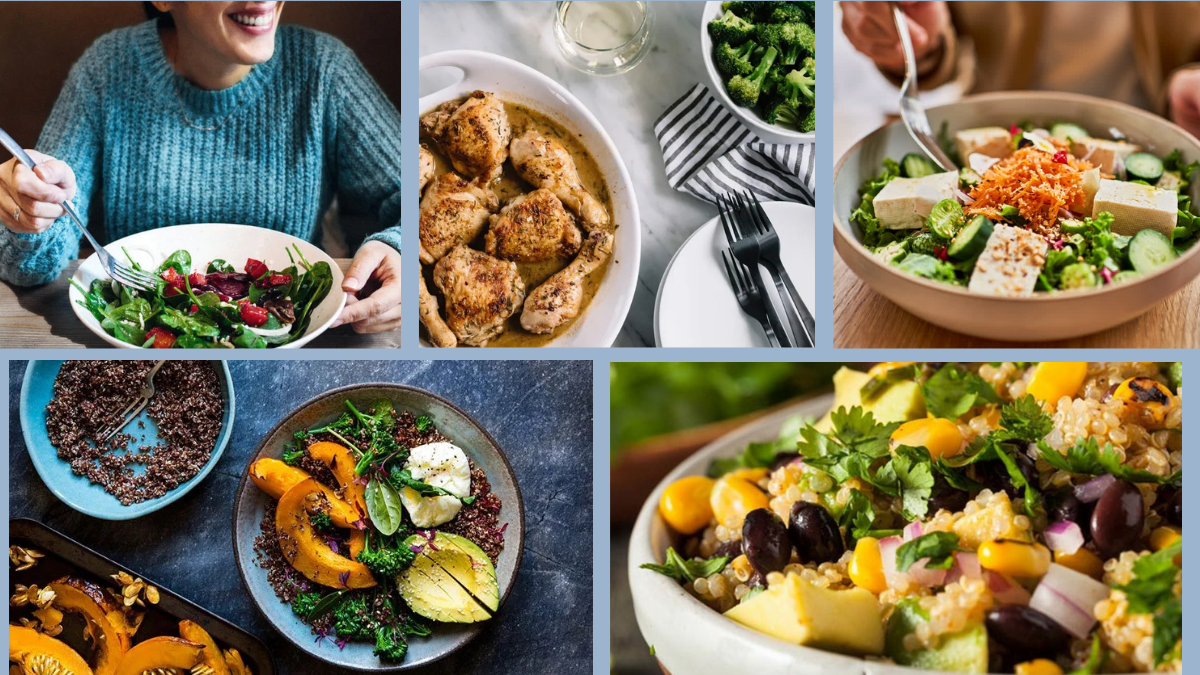
What Happens When You Cut Meat—and What to Watch For
Meat-free living is gaining momentum. From climate concerns and ethical considerations to personal health goals, more people are exploring the benefits of a plant-forward lifestyle. One popular trend making headlines: going meat-free for 30 days.
But what really happens when you cut meat from your diet? Will you lose weight? Gain energy? Miss key nutrients? We asked health and nutrition experts to break it down—and reveal what you can expect when you ditch meat for a month.
Spoiler: A lot can change in just 30 days.
Why Go Meat-Free for 30 Days?
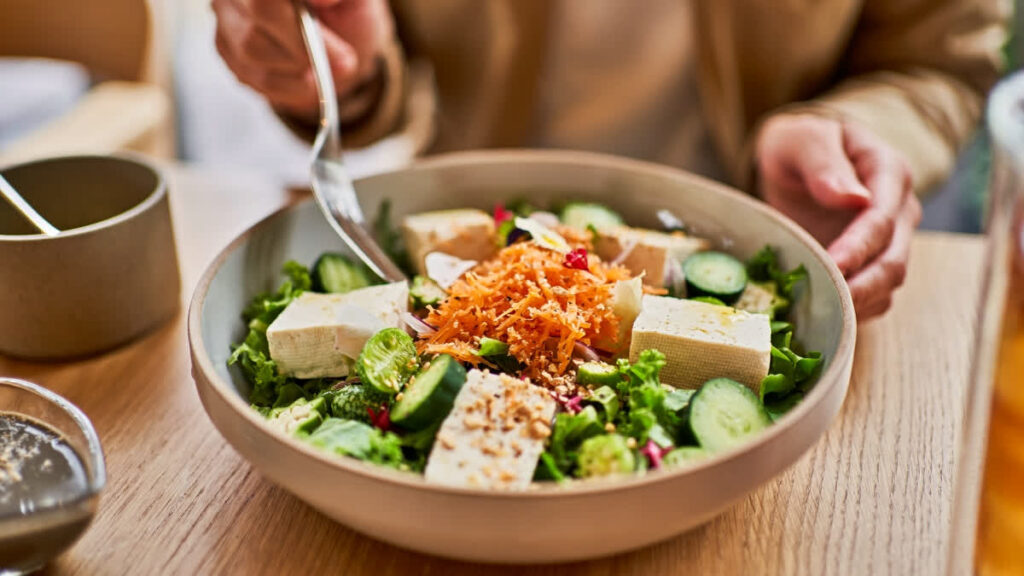
The idea of a 30-day meat-free challenge is appealing for many reasons. It’s a manageable timeframe for testing out a new way of eating without making a lifelong commitment. Some of the most common motivations include:
- Improved health (weight loss, digestion, energy)
- Lower cholesterol and blood pressure
- Environmental concerns
- Animal welfare
- Chronic disease prevention
But what does the science—and experience—actually say? Let’s look at the potential benefits and challenges, according to experts.
Potential Health Benefits of Going Meat-Free
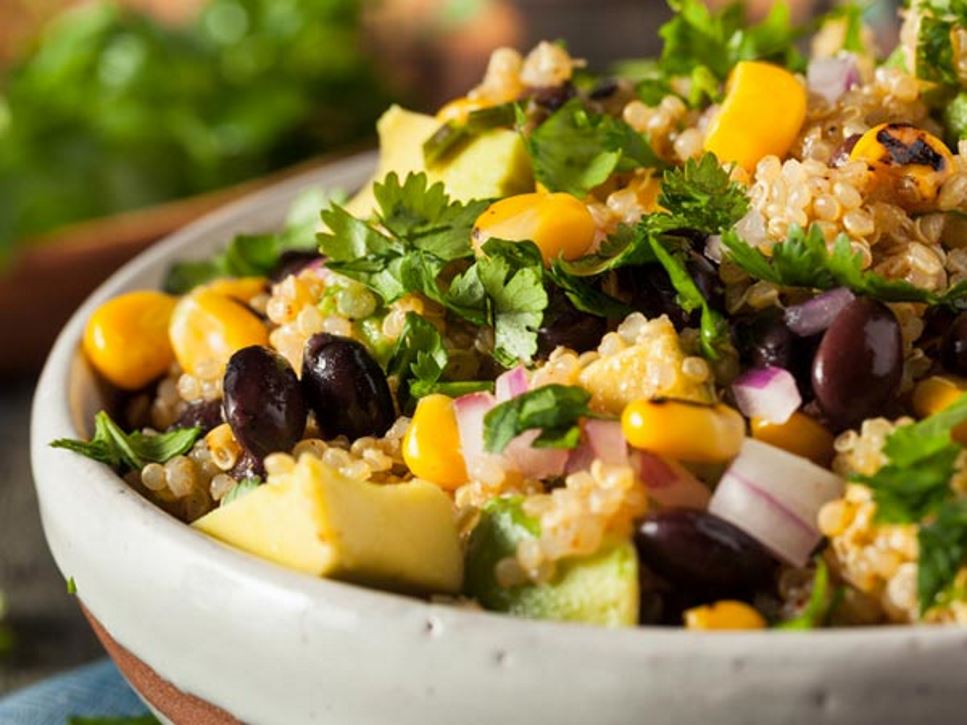
1. Improved Digestion and Gut Health
According to registered dietitian Dr. Tanya Wells, “Most people notice better digestion fairly quickly after cutting meat—especially red meat. That’s because plant-based diets are naturally high in fiber, which helps regulate bowel movements and supports a healthy gut microbiome.”

Most people don’t get enough fiber, which is found only in plant foods like fruits, vegetables, legumes, and whole grains. Within days of eliminating meat, many people report less bloating, easier digestion, and more regularity.
2. Increased Energy
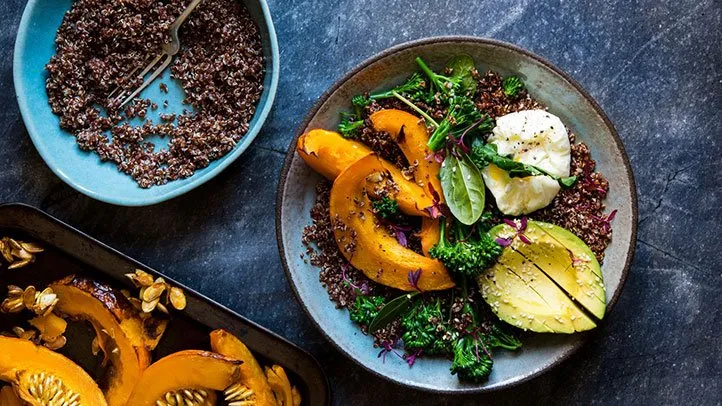
Many who go meat-free say they feel more energized. Why? A big part of it comes down to cleaner, more nutrient-dense meals, says nutritionist Emily Rivera.
“When people switch to a meat-free diet, they often replace heavy, high-fat meals with foods that are lighter but richer in nutrients,” she explains. “Eating more whole foods—especially leafy greens, nuts, beans, and whole grains—can help stabilize blood sugar and prevent the afternoon slump.”
3. Lower Cholesterol and Blood Pressure

Cutting meat—especially processed and red meats—can lower your LDL (bad) cholesterol levels and reduce blood pressure. According to the American Heart Association, plant-based diets are linked to better heart health and a lower risk of cardiovascular disease.
Within 2–4 weeks, some individuals experience a noticeable drop in blood pressure and cholesterol, especially when replacing meat with whole plant foods rather than processed vegetarian options.
4. Weight Loss

Eliminating meat may naturally lower calorie intake—especially if it’s replaced with high-fiber, filling foods like lentils, beans, and vegetables.
“Fiber adds bulk without extra calories and helps you feel full longer,” says Dr. Wells. “Most people who go meat-free for a month shed a few pounds without trying.”

The key is to choose whole, unprocessed plant-based foods rather than refined carbs or highly processed meat substitutes.
5. Clearer Skin
Some people report improved skin clarity after cutting meat. This could be related to:
- Reduced intake of saturated fats and hormones found in animal products
- Increased antioxidant intake from fruits and vegetables
- Better hydration and gut health
Although results vary, this is a common (and welcome) bonus for many during a meat-free month.
What to Watch Out For
Going meat-free has lots of upsides—but it’s not automatically healthy. Experts warn that a poorly planned vegetarian diet can lead to nutritional gaps.
Here are the most common concerns—and how to address them.
1. Protein Intake
Contrary to popular belief, vegetarians can get plenty of protein from plants. However, it does take a little planning.
Great meat-free protein sources include:

- Lentils, beans, and chickpeas
- Tofu, tempeh, and edamame
- Quinoa, oats, and whole grains
- Nuts and seeds (chia, hemp, almonds)
- Pea or rice-based protein powders
Aim to include a variety of these throughout the day to meet your needs.
2. Iron Levels
Iron from plants (non-heme iron) is less easily absorbed than animal-based (heme) iron. But it’s still possible to meet your needs with the right foods.
Iron-rich vegetarian options:
- Spinach, kale, collard greens
- Lentils, black beans, and chickpeas
- Pumpkin seeds, tofu, quinoa
Pro tip: Pair iron-rich foods with vitamin C sources (like bell peppers, oranges, or strawberries) to boost absorption.
3. Vitamin B12
Vitamin B12 is found naturally in animal products, so vegetarians need to be proactive.
Options include:
- Fortified plant milks or cereals
- Nutritional yeast (fortified varieties)
- B12 supplements (vegan-friendly)
A daily or weekly supplement is a reliable way to ensure you don’t fall short.

4. Omega-3 Fatty Acids
Omega-3s are essential for brain, heart, and joint health. Without fish, vegetarians should include:
- Chia seeds, flaxseeds, walnuts, and hemp seeds
- Algae-based omega-3 supplements (for DHA and EPA)
5. Processed Plant-Based Foods
One of the biggest pitfalls of going meat-free is relying too much on ultra-processed meat substitutes. Burgers, nuggets, and sausages made from soy or pea protein can be high in sodium and low in fiber.
Try to focus on whole, minimally processed plant foods for the majority of your meals.
What a Balanced Meat-Free Day Can Look Like
Here’s an example of a well-rounded vegetarian day to inspire your 30-day challenge:
Breakfast:
- Oatmeal with almond milk, chia seeds, banana, and berries
- A handful of walnuts
Lunch:
- Chickpea and quinoa salad with cucumber, cherry tomatoes, parsley, and lemon-tahini dressing
- A side of steamed kale
Snack:

- Carrot sticks with hummus
- A piece of fruit
Dinner:
- Stir-fried tofu with broccoli, bell peppers, and brown rice
- Mixed greens with avocado and pumpkin seeds
Dessert (optional):
- A square of dark chocolate or fruit smoothie with flaxseeds
Expert Tips for Your 30-Day Meat-Free Challenge
- Don’t just remove—replace.
Instead of just skipping meat, substitute it with hearty, nutritious plant options. - Plan your meals.
Going meat-free works best when you plan ahead and avoid last-minute processed picks. - Track your protein and key nutrients.
Use a nutrition tracker for the first week or two to ensure you’re getting enough of the essentials. - Try new recipes.
Explore global cuisines—Indian, Middle Eastern, Mediterranean—that naturally feature plant-based meals. - Listen to your body.
Fatigue or cravings might be a sign of a nutrient gap—adjust accordingly with expert support if needed.
The Verdict: Should You Go Meat-Free for a Month?
Absolutely—if done thoughtfully.
A 30-day meat-free challenge is a powerful way to reset your diet, explore plant-based cooking, and improve your health. Many people report more energy, better digestion, weight loss, and even improved mood within just a few weeks.
Just be sure to:
- Eat a wide variety of whole plant foods
- Be mindful of nutrients like B12, iron, protein, and omega-3s
- Focus on real food, not just processed meat alternatives
Whether you stick with it long-term or not, 30 days meat-free can be a transformative experience for your body, mind, and plate.