In recent years, nutrition science has increasingly highlighted the remarkable power of plant-based foods in disease prevention. Among the most underrated yet impactful of these are beans—humble legumes that pack a powerful punch when it comes to protecting against chronic diseases such as heart disease, diabetes, obesity, and even certain cancers.
A growing body of scientific research supports the claim that beans can significantly reduce the risk of chronic illness, thanks to their rich nutrient profile, fiber content, and unique plant compounds. In this article, we’ll explore what recent studies say, which types of beans are most beneficial, and how you can easily incorporate more of them into your plant-based diet—without a single animal product in sight.
Why Beans Deserve Superfood Status
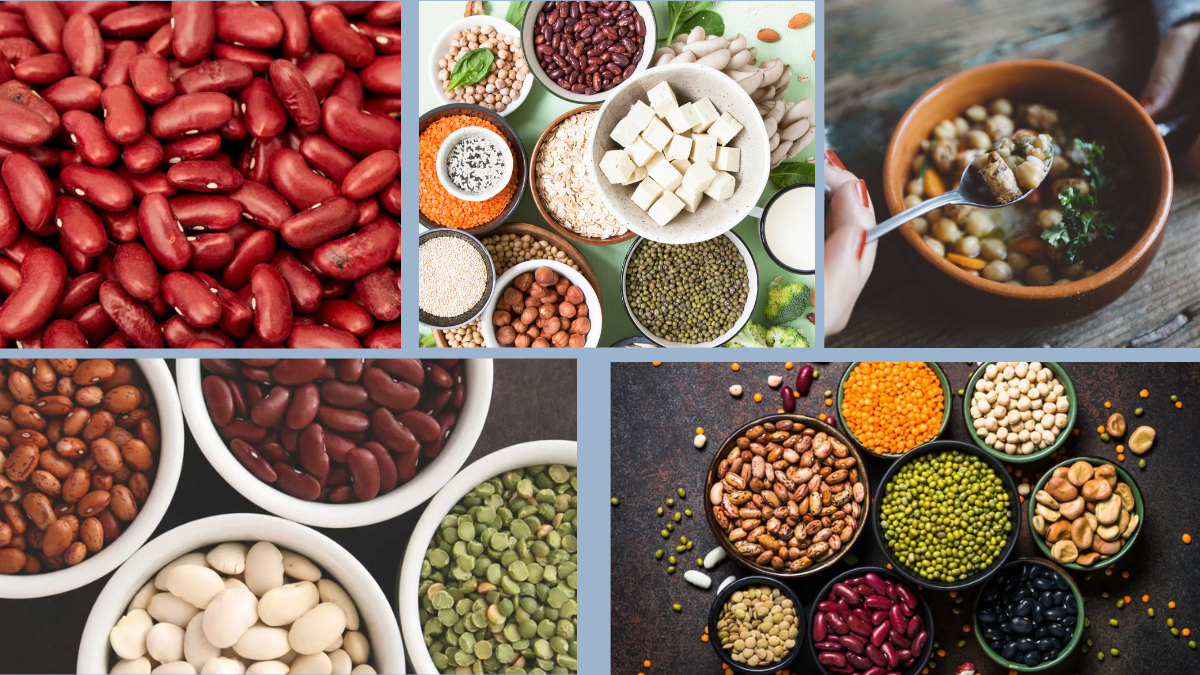
Beans—also known as legumes or pulses—include a wide range of varieties such as black beans, kidney beans, chickpeas, lentils, navy beans, pinto beans, and more. They’ve been a staple food in many cultures for centuries, and for good reason.
Here’s why beans are considered nutritional powerhouses:
- High in Fiber – Beans are one of the richest sources of dietary fiber, both soluble and insoluble. Fiber helps regulate blood sugar, lowers cholesterol, improves digestion, and supports weight loss.
- Low in Fat and Calories – Beans are naturally low in fat and contain no cholesterol.
- Rich in Plant-Based Protein – They provide a satisfying protein source for vegetarians and vegans, often used as a meat alternative.
- Packed with Micronutrients – Beans contain iron, magnesium, potassium, folate, and a variety of antioxidants.
- Low Glycemic Index – They don’t spike blood sugar the way refined carbs do, making them ideal for managing or preventing type 2 diabetes.
What the Science Says: Beans & Chronic Disease Prevention
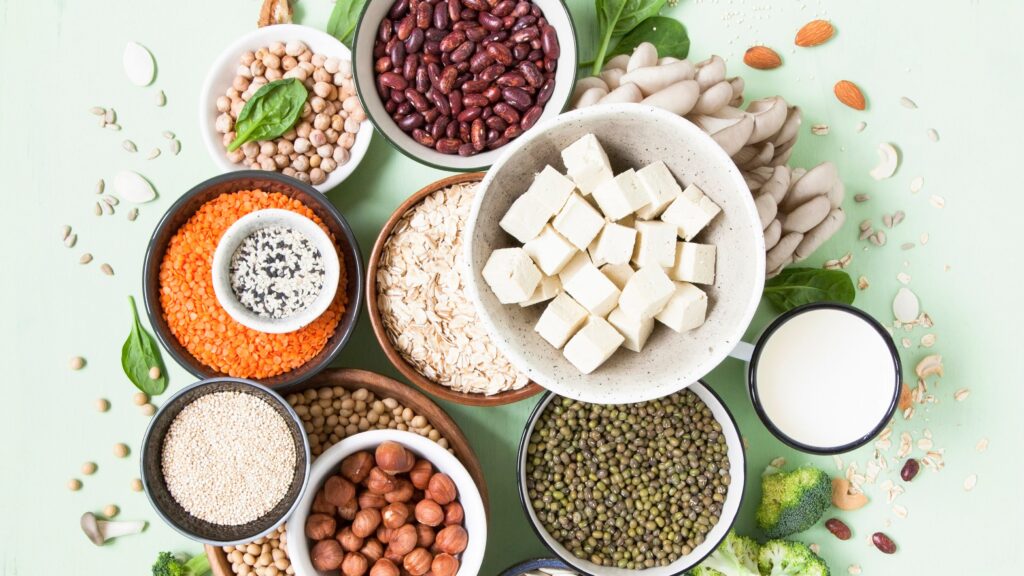
1. Heart Disease
A meta-analysis published in the journal Clinical Nutrition found that people who regularly consumed beans had a significantly lower risk of cardiovascular disease. The soluble fiber in beans helps reduce LDL (“bad”) cholesterol levels, while potassium and magnesium support healthy blood pressure.

Key takeaway: Just one cup of cooked beans per day can lower LDL cholesterol by up to 10%, according to the National Lipid Association.
2. Type 2 Diabetes
Beans have a low glycemic load and are digested slowly, leading to improved blood sugar control and reduced insulin spikes. A 2012 study in Archives of Internal Medicine found that individuals with type 2 diabetes who ate one cup of legumes daily for three months had improved glycemic control and reduced blood pressure.
Legumes also help prevent diabetes by improving insulin sensitivity in non-diabetics—a protective effect especially valuable as we age.
3. Obesity and Weight Management
Beans are high in fiber and protein, which promote satiety and prevent overeating. A study published in The American Journal of Clinical Nutrition showed that those who consumed legumes regularly had a lower body weight and waist circumference compared to those who did not, even when calorie intake was similar.
4. Colon Cancer
Research from The Journal of Nutrition suggests that the fiber, resistant starch, and antioxidants found in beans can support a healthy gut microbiome and reduce the risk of colon cancer. Fermentation of bean fiber in the colon produces butyrate, a short-chain fatty acid with anti-inflammatory and anti-cancer properties.

Best Types of Beans for Disease Prevention
1. Black Beans
Rich in anthocyanins (the same antioxidants found in blueberries), black beans are particularly effective at reducing oxidative stress. They’re also high in folate, magnesium, and fiber.
2. Lentils
A fantastic source of plant-based iron and protein, lentils cook quickly and are ideal for soups and curries. They’re especially good for heart and metabolic health.
3. Chickpeas (Garbanzo Beans)
Well known as the base of hummus, chickpeas are high in fiber and resistant starch. They help regulate blood sugar and improve digestion.
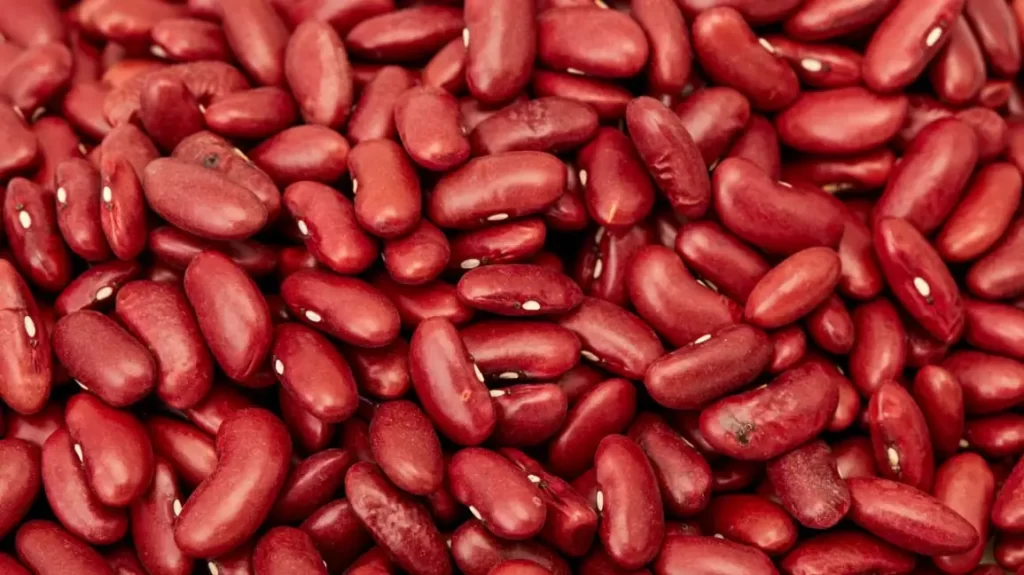
4. Kidney Beans
Loaded with antioxidants and iron, kidney beans are particularly good at reducing inflammation and improving gut health.
5. Pinto Beans
Popular in Latin American cuisine, pinto beans are rich in folate and fiber. They help improve cholesterol and stabilize blood sugar levels.

How to Add More Beans to Your Diet (Without Any Animal Products)
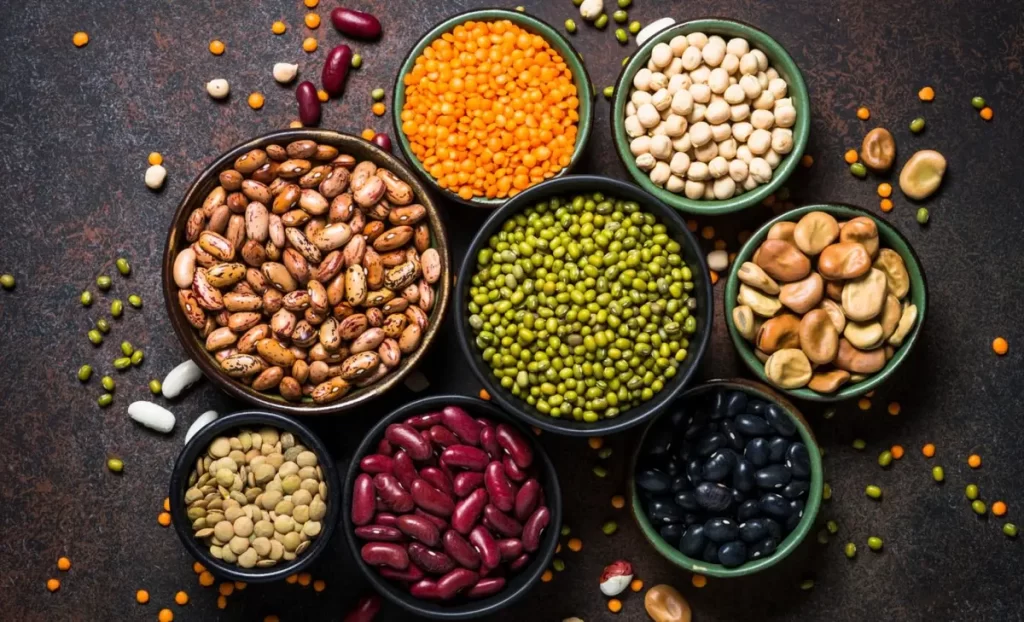
Adding beans to your meals is easier—and tastier—than you might think. Here are some simple, satisfying, and fully vegetarian ideas to work more beans into your daily routine:
1. Breakfast: Savory Chickpea Scramble
Swap tofu or eggs for mashed chickpeas in your morning scramble. Sauté with onions, bell peppers, turmeric, cumin, and spinach for a fiber- and protein-rich start to your day.
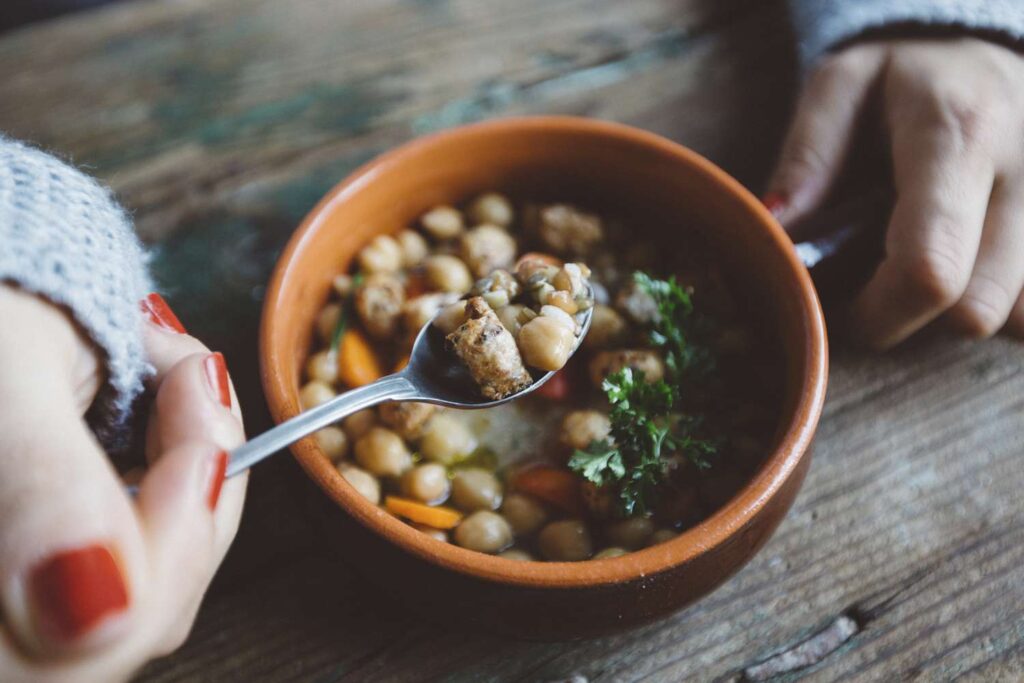
2. Lunch: Hearty Lentil Soup
Lentil soup is a fiber-filled classic that’s easy to batch cook. Combine lentils with carrots, tomatoes, garlic, and spices. Add kale for extra fiber and nutrients.
3. Snack: Roasted Spiced Chickpeas
Toss canned chickpeas in olive oil, paprika, garlic powder, and a pinch of sea salt. Roast until crispy for a crunchy, protein-rich snack that keeps you full.
4. Dinner: Black Bean and Sweet Potato Tacos
Stuff corn tortillas with roasted sweet potatoes, black beans, avocado, and shredded cabbage. Top with lime juice and a dash of hot sauce for a fiber-packed, plant-based dinner.

5. Side Dish: Three-Bean Salad
Mix kidney beans, chickpeas, and green beans with chopped red onion, bell pepper, olive oil, and vinegar. Let it marinate and serve cold—a perfect side for any meal.
6. Main Course: Chickpea and Spinach Curry
Simmer chickpeas with tomatoes, garlic, ginger, and spices like turmeric and coriander. Add spinach and coconut milk for a creamy, anti-inflammatory main dish that pairs well with brown rice.
7. Buddha Bowls: Bean & Grain Combos
Create a balanced bowl with brown rice or quinoa, roasted vegetables, and your choice of beans. Top with tahini or avocado dressing for a fiber- and protein-rich meal that supports digestion and energy.
8. Wraps and Sandwiches: Hummus & Veggies
Use hummus or bean spread as a base for veggie wraps or whole grain sandwiches. Add lettuce, cucumbers, tomatoes, and grated carrots for crunch and color.
9. Dessert: Black Bean Brownies
Yes, beans can even go in dessert! Black bean brownies are moist, fudgy, and surprisingly high in fiber and protein. Sweeten naturally with dates or maple syrup for a guilt-free treat.

How Often Should You Eat Beans?
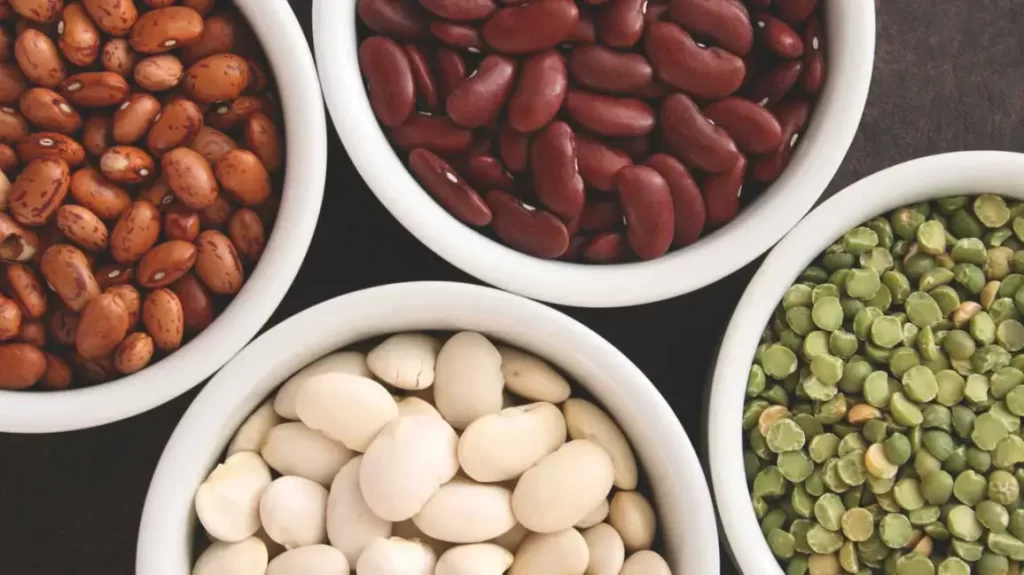
Experts recommend consuming ½ to 1 cup of cooked beans per day to get the maximum health benefits. If you’re new to beans, introduce them gradually to avoid digestive discomfort. Be sure to drink plenty of water and consider soaking dry beans before cooking to enhance digestibility.
Bonus: Tips for Cooking with Beans
- Canned beans are convenient—just rinse them to reduce sodium.
- Dried beans are more affordable and eco-friendly—soak overnight and cook in batches.
- Spices and herbs like cumin, turmeric, bay leaves, and oregano enhance flavor and aid digestion.
- Freeze leftovers for quick additions to soups, stews, and salads.
Final Thoughts
If you’re looking for one simple, affordable, and versatile food to reduce chronic disease risk and improve overall wellness, beans are your answer. Backed by research and embraced by cultures around the world, these fiber-rich legumes offer powerful protection against heart disease, diabetes, cancer, and more—all while being kind to your wallet and the planet.
So the next time you’re meal planning, don’t forget the beans. They may just be the most important plant food you’re not eating enough of.