Introduction: A Natural Stress-Reliever in Your Kitchen
Anxiety is one of the most common mental health concerns in today’s fast-paced world. From constant deadlines to information overload, many people feel mentally exhausted and emotionally overwhelmed. While therapy, exercise, and mindfulness are vital tools, what you eat can also impact how calm or anxious you feel.
Surprisingly, one of the most powerful natural remedies for stress relief might already be sitting in your spice rack. Meet rosemary—a fragrant, pine-like herb that’s traditionally used in cooking but may also have science-backed benefits for reducing anxiety and supporting mental well-being.
In this article, we’ll explore how rosemary works, what the research says, and how to use it in a plant-based, vegetarian lifestyle to nourish both your body and your mind.
Rosemary: More Than a Culinary Herb

Rosemary (Rosmarinus officinalis) is an evergreen herb native to the Mediterranean. Most people know it as a savory flavor enhancer in soups, roasted vegetables, and breads. But rosemary has been used in herbal medicine for centuries to:
- Boost memory
- Improve digestion
- Relieve pain
- Reduce anxiety and nervous tension
Its leaves contain bioactive compounds—like rosmarinic acid, carnosic acid, and essential oils—that act as antioxidants and anti-inflammatory agents. These natural chemicals influence the brain’s chemistry in ways that may help reduce symptoms of stress and anxiety.
What Does Science Say About Rosemary and Anxiety?

1. Rosemary and Cortisol Regulation
Cortisol is often referred to as the “stress hormone.” Elevated cortisol levels are linked to anxiety, sleep disruption, and mood swings. A 2009 study published in Holistic Nursing Practice found that inhaling rosemary essential oil significantly reduced cortisol levels, suggesting it may help calm the nervous system.

2. Improved Mood and Cognitive Function
Several studies have found that rosemary may improve mental clarity, alertness, and even reduce symptoms of anxiety and depression. In a randomized controlled trial, participants who consumed rosemary tea twice daily for one month experienced significant improvements in mood, sleep quality, and memory.
3. Neuroprotective Properties
The antioxidants in rosemary help combat oxidative stress in the brain, which is linked to both mood disorders and neurodegenerative diseases. This makes rosemary not only a potential anti-anxiety herb but also a long-term ally for cognitive health.
Why Choose Plant-Based Anxiety Support?

For those following a vegetarian or plant-based lifestyle, supporting your mental health with herbs and whole foods is a natural extension of your wellness journey. Unlike synthetic medications, plant-based remedies like rosemary come with fewer side effects, are easy to integrate into meals, and offer a variety of additional health benefits.
Plus, herbs like rosemary can be used daily, both in food and as teas or infusions, without relying on animal-derived supplements or products.
How to Use Rosemary for Anxiety Relief (Without Supplements)
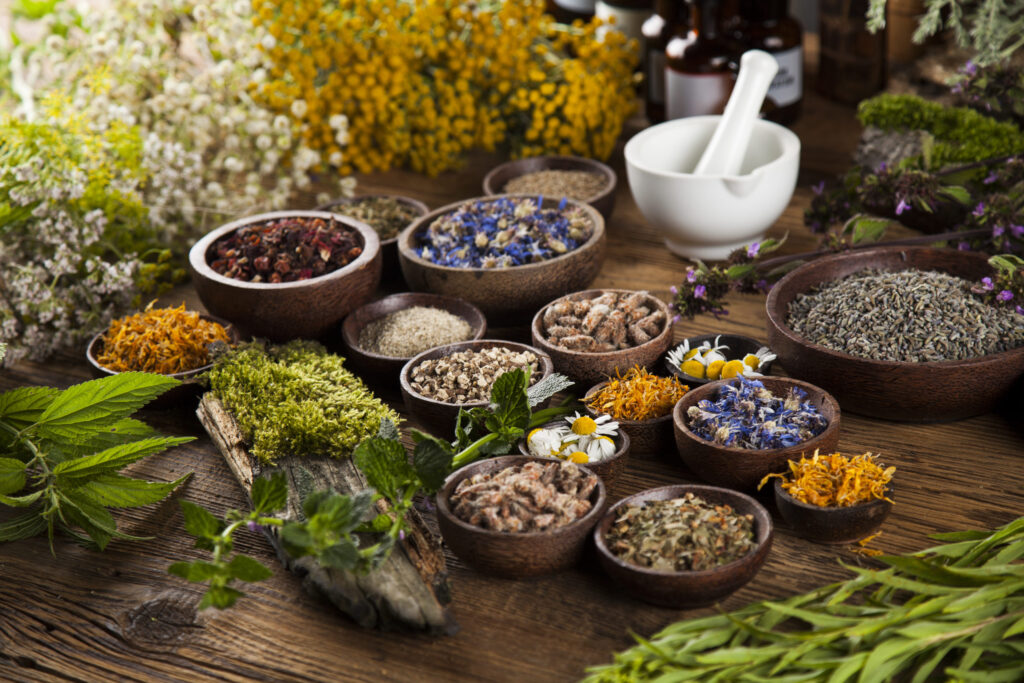
Here are some simple, tasty, and completely vegetarian ways to make rosemary part of your daily calming routine:
1. Rosemary Herbal Tea
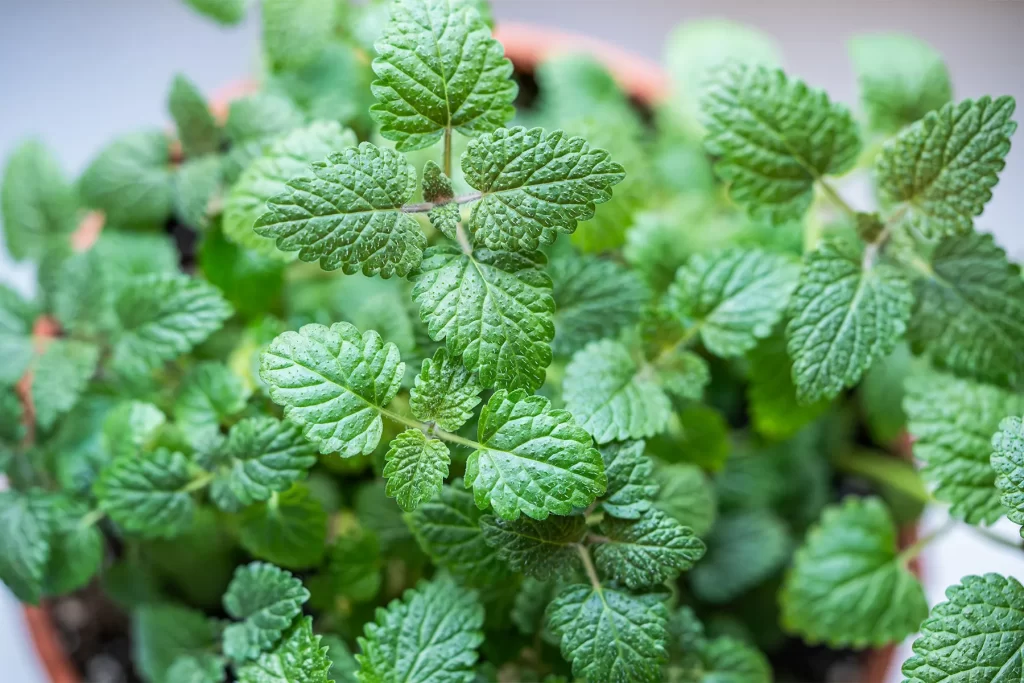
Why it works: Rosemary tea is easy to brew and delivers anxiety-soothing benefits in every sip. The warmth alone helps relax the nervous system, while rosmarinic acid works to regulate brain chemistry.

How to make:
- Steep 1 tsp of dried rosemary (or 2 tsp fresh leaves) in hot water for 5–7 minutes.
- Strain, and optionally add lemon or a touch of maple syrup.
When to drink: Morning or afternoon to reduce stress, without the jitters of caffeine.
2. Roasted Vegetables with Rosemary
Why it works: Cooking with rosemary is an easy way to integrate its therapeutic benefits without changing your routine. Roasting carrots, potatoes, or sweet potatoes with rosemary can offer a grounding, comforting dish.
How to make:
- Toss chopped vegetables with olive oil, sea salt, and 1–2 tsp dried rosemary.
- Roast at 400°F (200°C) for 25–30 minutes until golden and fragrant.
Bonus: This meal supports digestion too—anxiety and gut health are deeply connected.
3. Lentil and Rosemary Soup
Why it works: Lentils are rich in magnesium and plant-based protein, both important for mood regulation. Combined with rosemary, you get a meal that calms your body and mind.

How to make:
- Sauté onions, garlic, and celery with olive oil and rosemary.
- Add cooked lentils, vegetable broth, tomatoes, and simmer until flavorful.
Pair with: A whole-grain bread spread with garlic-rosemary hummus (see below!).
4. Garlic-Rosemary Hummus
Why it works: Chickpeas are high in tryptophan and folate—nutrients linked to reduced anxiety. Garlic adds immune support, while rosemary brings the soothing herbal touch.
How to make:
- Blend chickpeas, tahini, lemon juice, garlic, salt, and fresh rosemary until creamy.
- Enjoy with veggie sticks or spread on sourdough.
Mood-boosting tip: Rosemary pairs especially well with roasted red pepper in hummus blends.
5. Rosemary Aromatherapy or Oil Diffusion
Why it works: Inhaling rosemary essential oil may trigger brain receptors that regulate mood and emotion. Research shows it may reduce nervous tension and improve alertness.

How to use:
- Add 2–3 drops of rosemary essential oil to a diffuser.
- Combine with lavender or citrus oils for a calming atmosphere.
- Alternatively, apply diluted oil to temples or wrists (avoid direct contact with eyes or broken skin).
Holistic Practices to Enhance Rosemary’s Effects
Herbs work best when they’re part of a bigger picture of self-care. Pair rosemary with other anxiety-reducing habits:
- Deep breathing or meditation with rosemary aromatherapy
- Yoga or gentle movement outdoors in nature
- Keeping a food and mood journal to track what calms and what triggers you
- Balanced vegetarian meals rich in fiber, omega-3s (chia, flax), and B vitamins
Precautions and Considerations
While rosemary is safe in food amounts for most people, high doses—especially in concentrated essential oil form—should be used with caution. Avoid large doses if you are pregnant, epileptic, or on blood pressure medications without medical guidance.
Safe usage:
- 1–3 tsp of dried rosemary daily in food or tea
- Essential oil only when diluted and externally applied
- Monitor for any allergic reactions or skin sensitivity
Final Thoughts: Small Herb, Big Calm
In a world full of quick fixes and complicated treatments, it’s empowering to know that simple, natural ingredients like rosemary can play a real role in managing anxiety and promoting mental wellness. Whether you sip it as tea, inhale its soothing scent, or blend it into your meals, rosemary is a gentle yet powerful ally in your emotional toolkit.
And best of all? It’s already in your pantry.