Expert-Approved Plant-Based Meals to Nourish and Energize—No Meat Required
Ever wondered how professional nutritionists fuel their bodies on a vegetarian diet? These experts aren’t just recommending plant-based meals—they’re eating them, too. With a focus on balanced nutrition, whole foods, and mindful variety, nutritionists craft meals that support energy, satiety, and long-term health.
Whether you’re new to vegetarianism or looking to upgrade your plate, learning how nutritionists eat can offer inspiration—and a practical roadmap—for creating your own satisfying and nutrient-packed meals.
In this article, we’ll dive into what a typical day of eating looks like for nutrition experts, the key foods they always keep on hand, and smart strategies for covering all your nutritional bases—without a single bite of meat.
Why Nutritionists Love the Vegetarian Diet
Many nutrition professionals choose a vegetarian diet for its well-documented health benefits. According to Registered Dietitian (RD) Michelle Carter, a well-planned vegetarian lifestyle can lead to:
- Lower risk of heart disease, type 2 diabetes, and obesity
- Improved digestion and gut microbiome
- Increased intake of fiber, antioxidants, and anti-inflammatory compounds
- Better blood pressure and cholesterol levels
- Greater dietary diversity through whole, plant-based foods
“Vegetarian diets can be incredibly nourishing and protective when they include a variety of whole foods,” says Carter. “You just have to be mindful about key nutrients.”
Let’s explore what these mindful, well-balanced meals actually look like.
Breakfast: Protein, Fiber, and Fuel
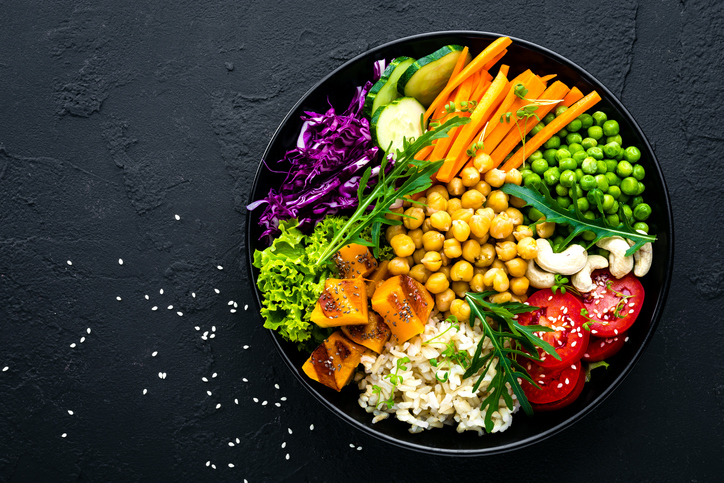
Nutritionists know that breakfast sets the tone for the rest of the day. Rather than loading up on sugar or skipping the meal altogether, they focus on nutrient-dense options that combine protein, complex carbs, and healthy fats.
Sample Nutritionist Breakfasts:
1. Oatmeal Power Bowl
- Rolled oats cooked with unsweetened almond milk
- Topped with chia seeds, sliced banana, chopped walnuts, and cinnamon
- Drizzle of almond butter for satiety
2. Tofu Scramble Wrap
- Crumbled tofu sautéed with turmeric, black salt, bell peppers, onions, and spinach
- Wrapped in a whole-grain tortilla with avocado and salsa
3. Green Protein Smoothie
- Spinach, frozen mango, banana, pea protein powder, flaxseeds, and oat milk
- Blended until creamy for a refreshing on-the-go option
Why it works: These breakfasts offer balanced macronutrients, promote stable blood sugar, and keep you full for hours—no mid-morning crash.
Lunch: Fiber-Rich and Filling

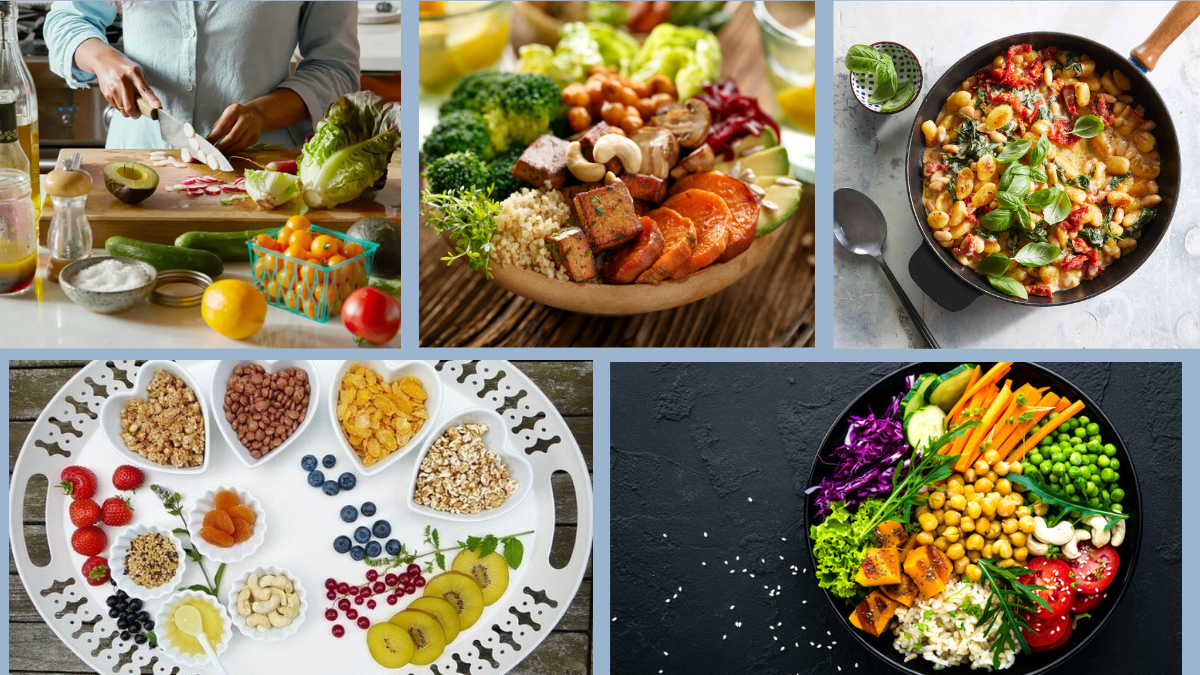
Midday meals for nutritionists focus on color, crunch, and plant-based protein. Salads aren’t just lettuce—they’re hearty, layered, and built to satisfy.
Sample Nutritionist Lunches:
1. Mediterranean Chickpea Bowl
- Quinoa base
- Topped with roasted chickpeas, cherry tomatoes, cucumbers, olives, red onion, and tahini-lemon dressing
2. Lentil & Sweet Potato Curry
- Red lentils simmered in coconut milk with curry spices, sweet potatoes, and spinach
- Served with brown rice or millet
3. Veggie-Packed Grain Salad
- Farro, grilled zucchini, roasted carrots, kale, cranberries, and pumpkin seeds
- Tossed with balsamic vinaigrette
Why it works: Fiber + protein + healthy fats = long-lasting fullness and nutrient density.
Dinner: Comforting and Nutrient-Dense
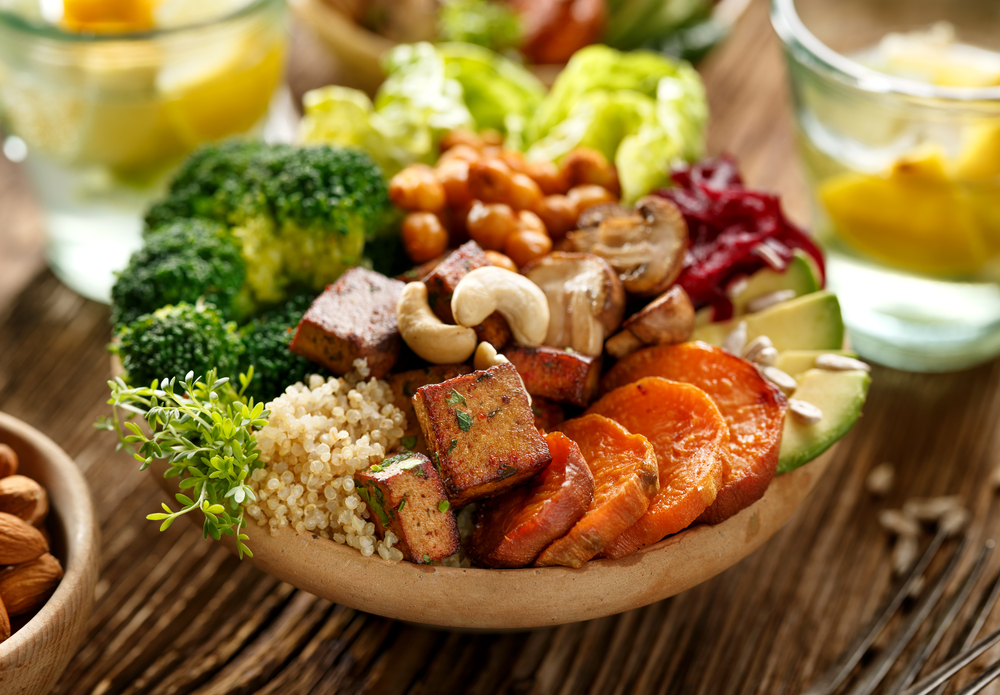
Dinner is an opportunity to focus on whole foods that support muscle repair, gut health, and restful sleep. Nutritionists often incorporate warm, comforting meals that feel hearty—without relying on meat.

Sample Nutritionist Dinners:
1. Stuffed Bell Peppers
- Filled with black beans, brown rice, corn, tomatoes, and spices
- Baked and topped with guacamole or plant-based cheese
2. Stir-Fried Tofu and Veggies
- Cubed tofu, broccoli, bell peppers, and snap peas
- Stir-fried in sesame oil, tamari, and ginger
- Served over soba noodles or brown rice
3. Creamy Mushroom Risotto (Dairy-Free)
- Arborio rice cooked with vegetable broth, garlic, onions, and mushrooms
- Finished with nutritional yeast for creaminess and flavor
Why it works: These meals feel indulgent but are balanced, anti-inflammatory, and packed with phytonutrients.
Snacks: Simple and Strategic

Nutritionists know that smart snacking prevents energy dips and overeating at meals. Snacks are viewed as mini-meals—small but meaningful.
Favorite Nutritionist-Approved Snacks:
- Sliced apple with almond butter
- Hummus with carrots and cucumber
- Trail mix with nuts, seeds, and dried fruit
- Chia pudding with coconut milk and berries
- Roasted chickpeas or edamame
- Whole grain toast with avocado and hemp seeds
Why it works: Snacks combine fiber, protein, and healthy fat to nourish between meals without excess sugar or processed carbs.

Beverages: Hydration With Purpose
Nutritionists prioritize hydration and steer clear of sugary drinks. Most stick to water, herbal teas, and beverages with functional benefits.
Common Drink Choices:
- Water with lemon or cucumber
- Green tea or hibiscus tea (for antioxidants)
- Kombucha (for probiotics)
- Smoothies (as meals or snacks, not sugary treats)
- Fortified plant milks (for calcium and vitamin D)
Avoiding soda and excess caffeine, they hydrate with intention and awareness.
Pantry Staples Nutritionists Swear By
To keep meals quick, easy, and nutritious, dietitians keep a well-stocked kitchen. These staples make meat-free cooking a breeze.
Must-Have Pantry Items:
- Canned beans (black beans, lentils, chickpeas)
- Whole grains (quinoa, brown rice, bulgur, oats)
- Tomato paste and diced tomatoes
- Tahini, tamari, olive oil
- Spices: turmeric, cumin, paprika, garlic powder, oregano
- Seeds and nuts (chia, flax, sunflower seeds, almonds)
- Nutritional yeast (for B12 and cheesy flavor)
In the Fridge:
- Leafy greens
- Tofu or tempeh
- Plant-based yogurt
- Fresh herbs
- Fermented foods (sauerkraut, kimchi, miso)
Tip from the pros: “If you prep staples on Sundays—like roasting veggies, cooking grains, and marinating tofu—you can throw meals together in minutes during the week,” says RD Lauren Vega.
How Nutritionists Cover Nutritional Gaps
Even professionals must pay attention to nutrients that are harder to get on a vegetarian diet.
Common Supplements or Fortified Foods:
- Vitamin B12 – Found in fortified nutritional yeast, cereals, or via supplement
- Iron – Boosted by iron-rich foods (lentils, spinach, tofu) + vitamin C
- Calcium – From leafy greens and fortified plant milks
- Omega-3s – From chia, flax, walnuts, and algae-based DHA/EPA supplements
- Vitamin D – Fortified foods or a vegan-friendly supplement, especially in winter
Tracking intake occasionally (using apps like Cronometer or MyFitnessPal) helps nutritionists stay on top of their needs.

Expert Tips for Staying Inspired
- “Cook in color.” Eating a variety of colorful veggies boosts your intake of antioxidants, vitamins, and fiber.
- “Don’t fear healthy fats.” Avocados, nuts, and seeds are crucial for satiety and hormone balance.
- “Experiment globally.” Try meat-free dishes from Indian, Thai, Middle Eastern, and Mediterranean cuisines.
- “Keep meals fun.” Use sauces, herbs, and spices to transform simple ingredients into exciting dishes.
- “Be kind to yourself.” Transitioning to vegetarianism is a journey—progress, not perfection, is the goal.
The Takeaway: Eating Like a Nutritionist Is About Abundance, Not Restriction
What do nutritionists eat on a vegetarian diet? In short: a lot of variety, color, flavor, and nourishment. With a focus on whole foods, balance, and proper planning, vegetarian meals can be both deeply satisfying and nutritionally complete.
The key lessons:
- Prioritize plant protein, fiber, and healthy fats
- Don’t forget B12, iron, and calcium
- Build a stocked pantry for easy meals
- Embrace global flavors to keep things fresh
- Snack smart and hydrate often
Eating like a nutritionist isn’t about perfection—it’s about intention, curiosity, and care for your body. With these tools and ideas, you can thrive on a vegetarian diet—just like the experts.