
Lasagna — that mouthwatering, multi-layered dish of pasta, rich sauces, and melty cheese — has traveled far from its Italian roots to become a beloved comfort food around the world. Whether it’s a hearty family meal or a gourmet offering in a fine restaurant, lasagna has a universal appeal that transcends borders.
But here’s the golden question:
Which country eats the most lasagna in the world?
Italy is the birthplace of lasagna and remains the undisputed leader in its consumption. However, countries like the United States, United Kingdom, and Australia are not far behind, each with their own twists — including a growing range of delicious vegetarian versions.
In this article, we’ll explore:
- The history and evolution of lasagna
- Why Italy still leads in lasagna consumption
- How other countries embrace and adapt it
- Vegetarian-friendly lasagna varieties
- Nutritional facts and modern trends
- Fun facts and cultural tidbits
Let’s layer up and dive in.

A Brief History of Lasagna

Lasagna is often thought of as the epitome of Italian cooking, but its story is more layered than you might think.
- The term “lasagna” is derived from the Greek word laganon, referring to flat sheets of dough.
- In ancient Rome, layers of pasta were baked with sauces and cheese, resembling today’s lasagna.
- The modern lasagna we know — with béchamel, tomato sauce, and cheese — originated in Naples and Bologna, Italy.
Traditionally, Italian lasagna contains meat ragu, but there are centuries-old vegetarian versions that use vegetables, mushrooms, spinach, or even lentils instead.
Italy: The Lasagna Capital of the World
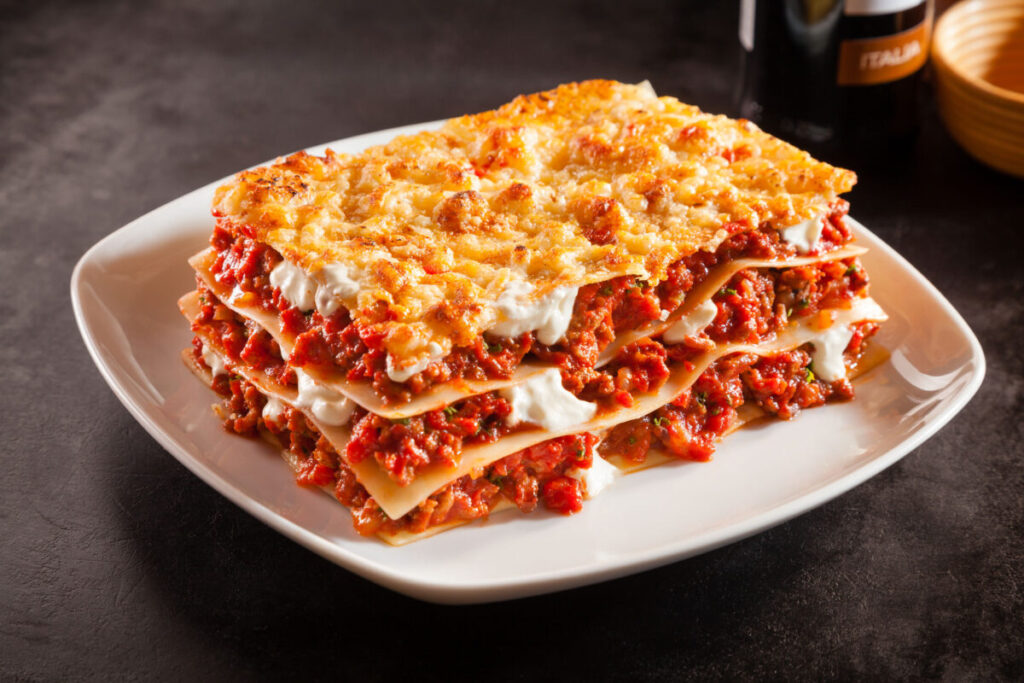
It’s no surprise that Italy consumes the most lasagna. In Italian homes, lasagna is a Sunday or holiday staple — a dish of celebration, family, and heritage.
Why Italy Tops the List:
- Cultural Significance
In regions like Emilia-Romagna, lasagna is a regional treasure. Every family has its own recipe, passed down through generations. - Regional Variations
- Lasagna alla Bolognese (Emilia-Romagna): Layers of egg pasta, béchamel, and ragu — easily made vegetarian by swapping ragu with lentil stew or mushroom ragout.
- Lasagna Napoletana (Naples): Richer and more festive, often with hard-boiled eggs and ricotta — traditionally vegetarian in some homes during Lent.
- Vegetarian Lasagna Verde: Spinach pasta, ricotta, zucchini, and artichokes — common in Tuscany and Rome.
- Quality Ingredients
Italian lasagna benefits from locally produced cheeses, fresh pasta, olive oil, and seasonal vegetables — perfect for meatless dishes.
The United States: A Lasagna Powerhouse
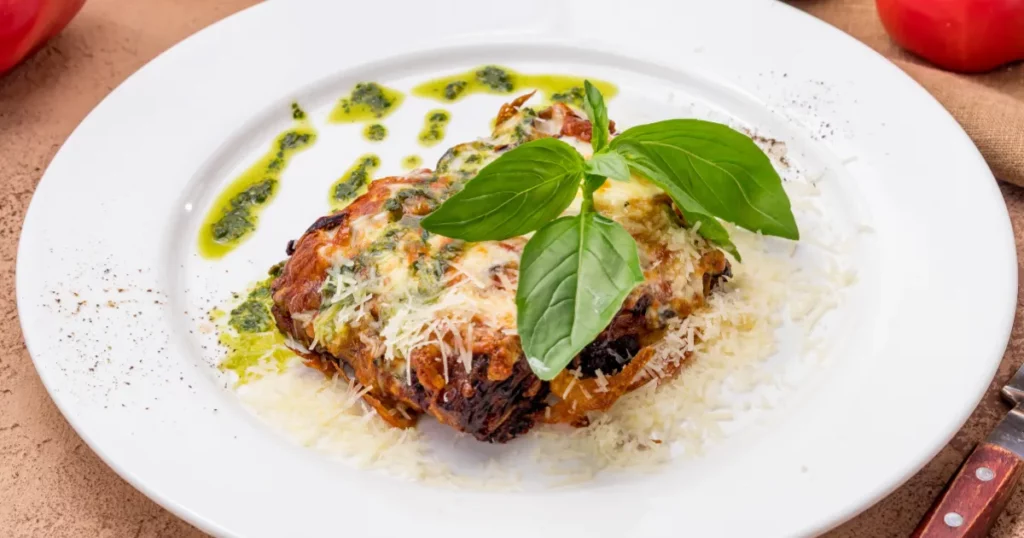
In terms of total volume, the United States rivals Italy in lasagna consumption, especially when it comes to pre-made and frozen lasagna.
The American Love for Lasagna:
- Lasagna is one of the most popular Italian-American dishes, served at holidays, potlucks, and Sunday dinners.
- Supermarkets stock a wide variety — including vegetarian, vegan, and gluten-free options.
- Brands like Stouffer’s and Amy’s Kitchen offer popular frozen meatless lasagna nationwide.
Vegetarian Innovation
Many American cooks now opt for:

- Spinach and ricotta lasagna
- Butternut squash lasagna
- Vegan tofu ricotta and cashew cheese layers
The plant-based trend has only increased lasagna’s reach and adaptability.
The United Kingdom: A Meat-Free Twist
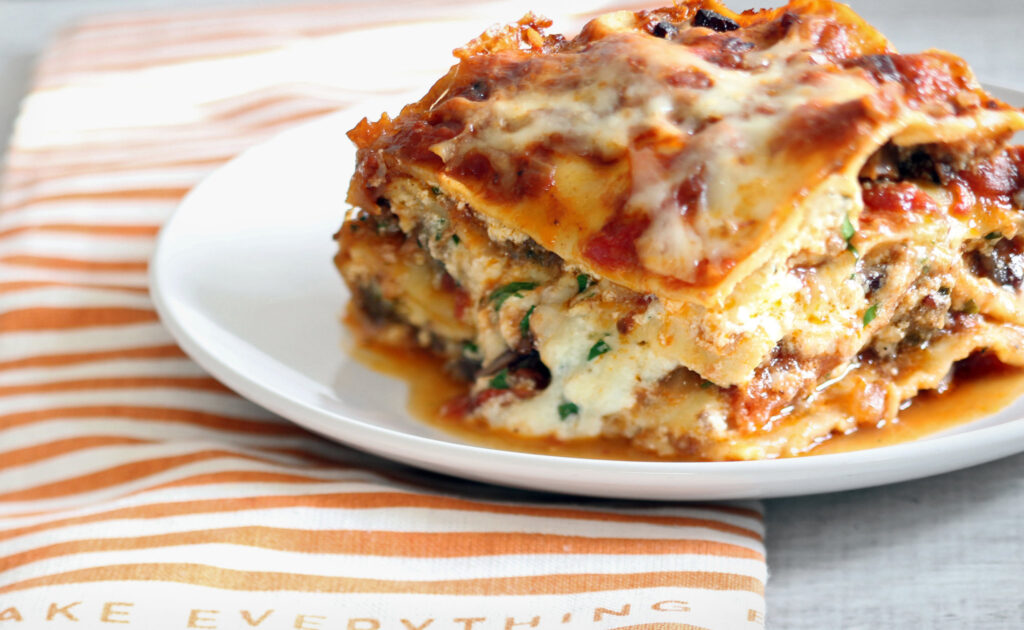
The UK has a strong appetite for lasagna, and recent data shows a growing interest in vegetarian and vegan versions.
- Supermarkets like Tesco, Sainsbury’s, and Waitrose sell plant-based lasagnas.
- “Quorn Lasagne” and “Linda McCartney’s Vegetarian Lasagne” are top sellers.
- British home cooks frequently add lentils, mushrooms, courgettes, and cheese sauces.
In many British households, vegetarian lasagna is a mid-week go-to meal, loved for its comforting richness and ease of prep.
Australia: Comfort Food with a Twist
Australians love lasagna — especially baked, cheesy versions often served at family gatherings and barbecues.
Common Aussie Veggie Lasagna Ingredients:
- Pumpkin or sweet potato
- Spinach and feta
- Zucchini and eggplant
- Tofu and vegan béchamel
Australia’s booming vegetarian and flexitarian culture has driven innovation in both homemade and restaurant-quality vegetarian lasagna options.

Global Variations of Vegetarian Lasagna

Lasagna has found new life across continents, with each region putting its own spin — often without meat:
| Country | Vegetarian Twist |
|---|---|
| 🇮🇳 India | Paneer lasagna with tikka masala sauce, whole-wheat pasta |
| 🇯🇵 Japan | Seaweed, tofu, and miso-based white sauce layers |
| 🇲🇽 Mexico | Tortilla lasagna with black beans, corn, and spicy tomato sauce |
| 🇹🇭 Thailand | Coconut béchamel, lemongrass, and stir-fried vegetables |
| 🇹🇷 Turkey | Eggplant, olive oil, and feta-style cheeses in phyllo pastry lasagna |
Health and Nutrition: Vegetarian Lasagna
Lasagna doesn’t have to be heavy. A well-made vegetarian lasagna can be nutritious and satisfying.
Nutritional Highlights:
- Whole grains (if using whole-wheat pasta or vegetable noodles)
- Protein from ricotta, cottage cheese, lentils, or tofu
- Calcium from cheese or fortified dairy alternatives
- Fiber from added vegetables
- Vitamins A, C, and E from tomatoes, spinach, and squash
To make it even healthier:
- Use low-fat cheese or vegan substitutes
- Add layers of kale, spinach, or mushrooms
- Choose tomato-based sauces over cream-heavy ones
Vegetarian Lasagna Ideas You’ll Love
| Type | Main Ingredients |
|---|---|
| Classic Ricotta & Spinach | Layers of pasta, tomato sauce, ricotta, and baby spinach |
| Mushroom & Cheese | Mixed mushrooms, garlic, béchamel, mozzarella |
| Zucchini & Pesto | Thin zucchini slices, pesto, ricotta, and walnuts |
| Butternut Squash & Sage | Roasted squash, vegan white sauce, sage, almond cheese |
| Vegan Lentil Lasagna | Red lentils, tomato sauce, nutritional yeast, plant-based cheese |
All these versions are hearty, satisfying, and 100% meat-free.
Fun Lasagna Facts
- Lasagna Day is celebrated on July 29 every year!
- The world’s largest lasagna weighed 4.8 tons and was made in Poland in 2012.
- Garfield the Cat is probably lasagna’s most famous fictional fan.
- Traditional Italian lasagna doesn’t always use tomatoes — in fact, green lasagna with spinach pasta and béchamel is very traditional in Bologna.
- Plant-based lasagna sales have increased by over 30% in the last 5 years.
The Future of Lasagna: More Plant-Based, More Global
With increasing awareness around sustainability and health, vegetarian and vegan lasagna is on the rise. Here’s what’s trending:

- Legume pasta (like chickpea or lentil noodles)
- Dairy-free cheese made from nuts and seeds
- Vegetable sheet alternatives (zucchini, eggplant, sweet potato)
- Low-carb and gluten-free variations
Restaurants and home cooks alike are creating modern versions that maintain lasagna’s comforting character while respecting dietary preferences and environmental impact.
Conclusion: Italy Leads, the World Follows — the Veg Way
Italy remains the global leader in lasagna consumption, with deep cultural roots and a rich culinary tradition. However, countries like Canada, the U.S., the UK, and Australia have not only embraced the dish but transformed it — especially through vegetarian innovations.
Whether you’re digging into a steaming plate of classic spinach lasagna in Rome, a vegan lentil version in London, or a sweet potato squash variation in Melbourne — there’s no denying the world’s love for this comforting, layered masterpiece.
And the best part? Lasagna doesn’t need meat to be rich, flavorful, or satisfying. With endless vegetarian possibilities, the dish continues to evolve — one layer at a time.