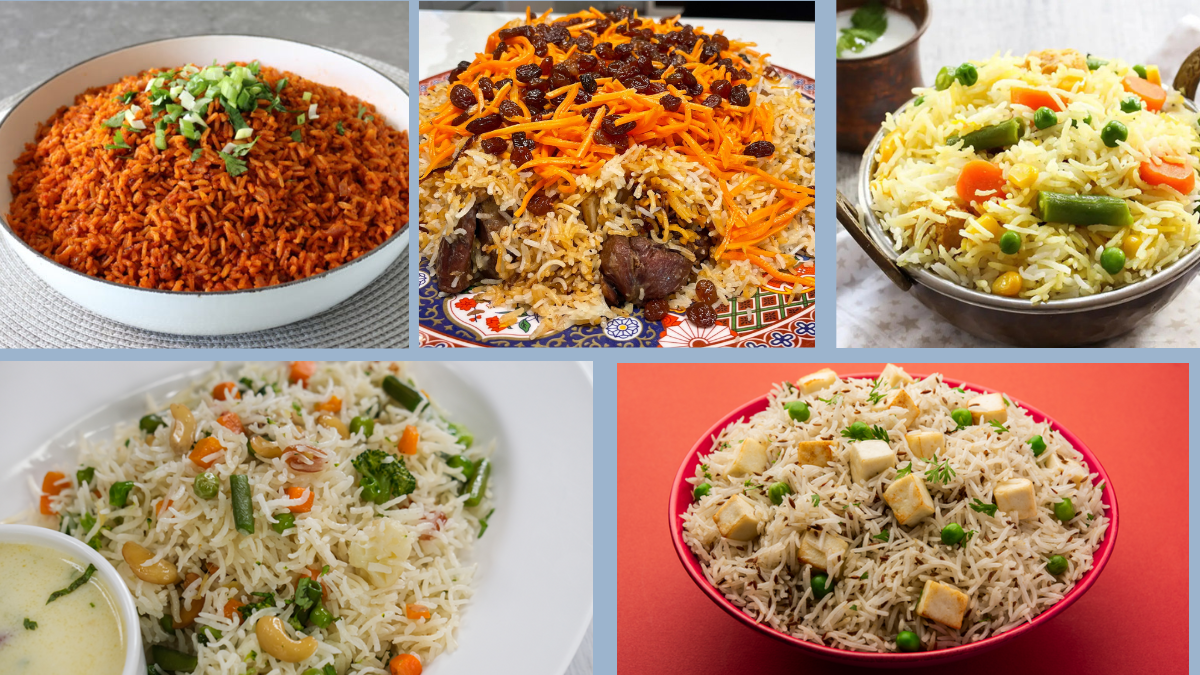
Pulao—a fragrant, spiced rice dish—has traveled through centuries and across continents, captivating hearts and palates with its delicate blend of flavors, aromas, and textures. While it’s found in various forms across Central Asia, the Middle East, and the Indian subcontinent, one question stands out: Which country eats the most pulao in the world?
The answer is clear: India. With its deeply rooted culinary traditions, vast regional variations, and vegetarian-friendly adaptations, India stands as the world’s biggest consumer—and arguably the most passionate lover—of pulao. This article explores why India tops the list, how pulao evolved, and how it continues to thrive as a healthy, vegetarian-friendly dish.
What Is Pulao?
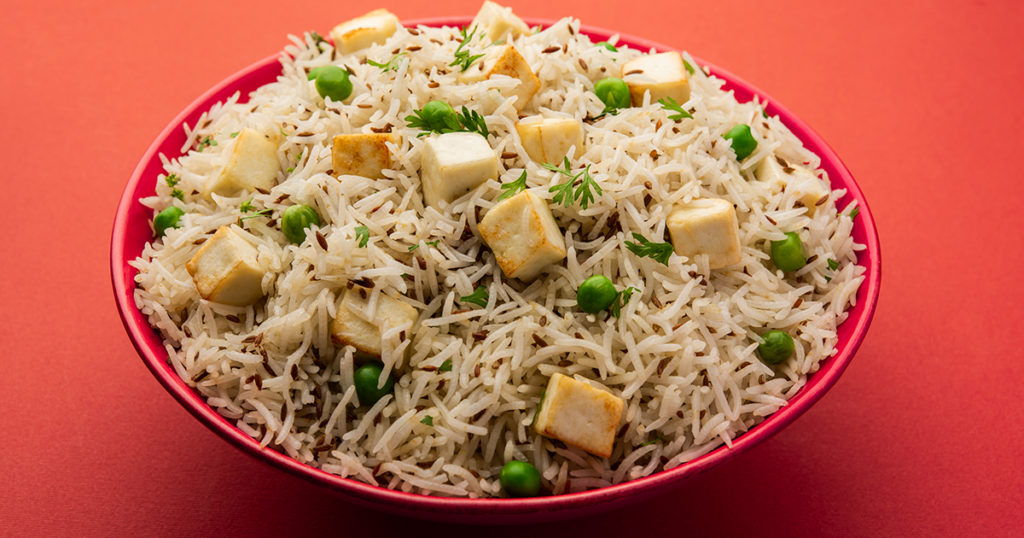
Pulao (also spelled pilaf, pilau, or pulav) is a rice dish typically made by cooking long-grain rice—often basmati—with vegetables, mild spices, and broth or water. It differs from biryani in both preparation and complexity. While biryani involves layering and a slow-cooking “dum” process, pulao is usually a one-pot dish, quicker to prepare and often lighter.
In a vegetarian context, pulao may include:
- Carrots, peas, beans, and cauliflower
- Cashews and raisins for texture and sweetness
- Aromatic spices like cumin, bay leaf, cinnamon, and cloves
- Garnishes such as fresh coriander or mint leaves
India: The Unquestionable Pulao Capital
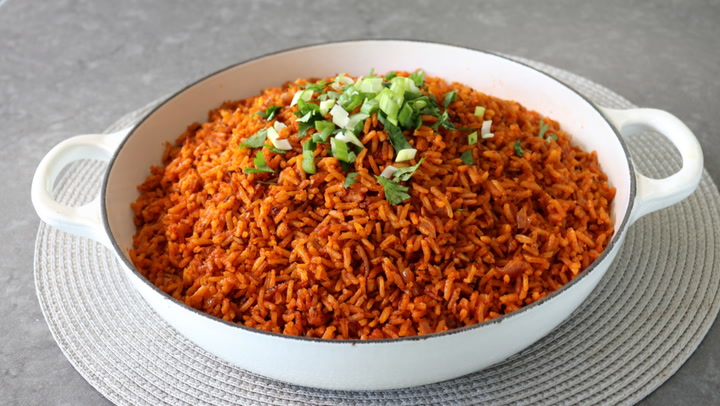
1. Daily Household Staple
In India, vegetable pulao is an everyday dish found in homes across urban and rural settings. It’s a popular lunchbox option, a side dish for celebrations, and a go-to comfort food. Almost every Indian household has its own version of pulao, passed down through generations.
2. Regional Diversity
What makes India unique is the regional variation in pulao preparations:
- Kashmiri Pulao – Fragrant, slightly sweet, loaded with dry fruits and saffron.
- South Indian Coconut Pulao – Made with grated coconut and curry leaves.
- Bengali Mishti Pulao – A sweet and savory take using gobindobhog rice and ghee.
- Matar Pulao (Peas Pulao) – A winter favorite with green peas and cumin seeds.
- Jeera Rice – A minimal pulao-style preparation with only cumin and ghee.
Each style reflects local ingredients, traditions, and taste preferences.
3. Cultural & Religious Acceptance
India’s large vegetarian population—estimated to be over 30%—makes pulao a versatile and inclusive dish. It fits dietary restrictions of Hindus, Jains, and many who observe religious fasts or festivals.
4. Celebratory Dish Without Meat
Pulao is often prepared during weddings, temple feasts, and family gatherings without requiring any non-vegetarian ingredients. Paneer, soya chunks, and dry fruits are common vegetarian enhancements.
Global Presence of Pulao
Though India leads in volume, pulao is also beloved in many other countries, especially where rice is a staple:
Pakistan
Pulao in Pakistan is often richer and more robust, but vegetarian versions like chana dal pulao and zeera pulao are commonly eaten, especially during fasting or religious observances.
Iran
Known as pilaf or polow, Iranian versions like zereshk polow (barberry rice) highlight fruits, nuts, and saffron. Vegetarian options are common in traditional households.
Afghanistan
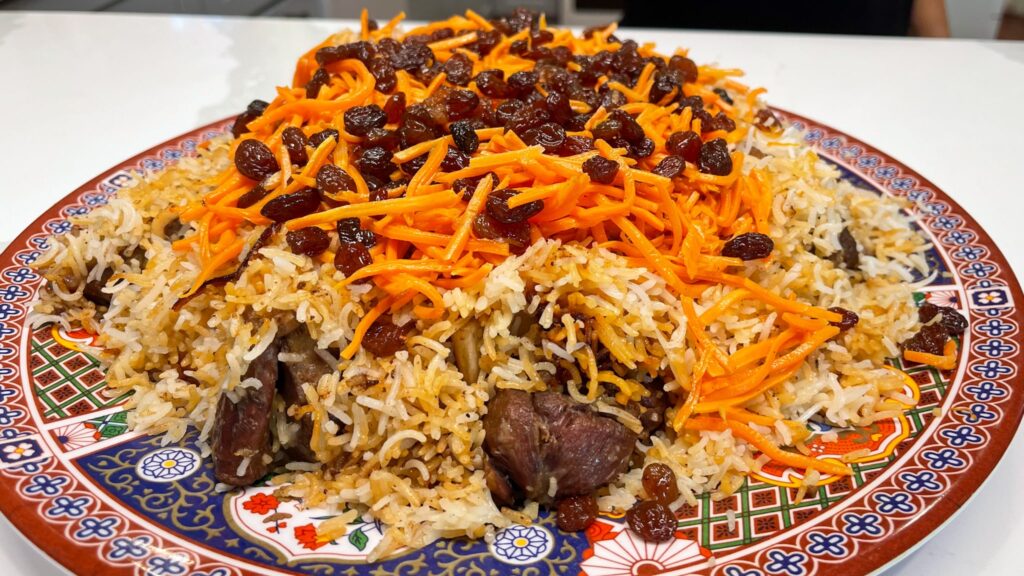
Afghan-style pulao, such as kabuli pulao, often uses carrots and raisins. Though traditionally meat-based, vegetarian adaptations are popular among health-conscious eaters.
Turkey and Central Asia
Known as pilav, Turkish and Uzbek variations use rice cooked in olive oil with nuts or chickpeas, showcasing a Mediterranean influence.
Western Countries
Thanks to Indian diaspora and rising popularity of plant-based cuisine, vegetarian pulao is widely prepared and enjoyed across the U.S., U.K., Canada, and Australia.
Vegetarian Pulao: Variations and Ingredients
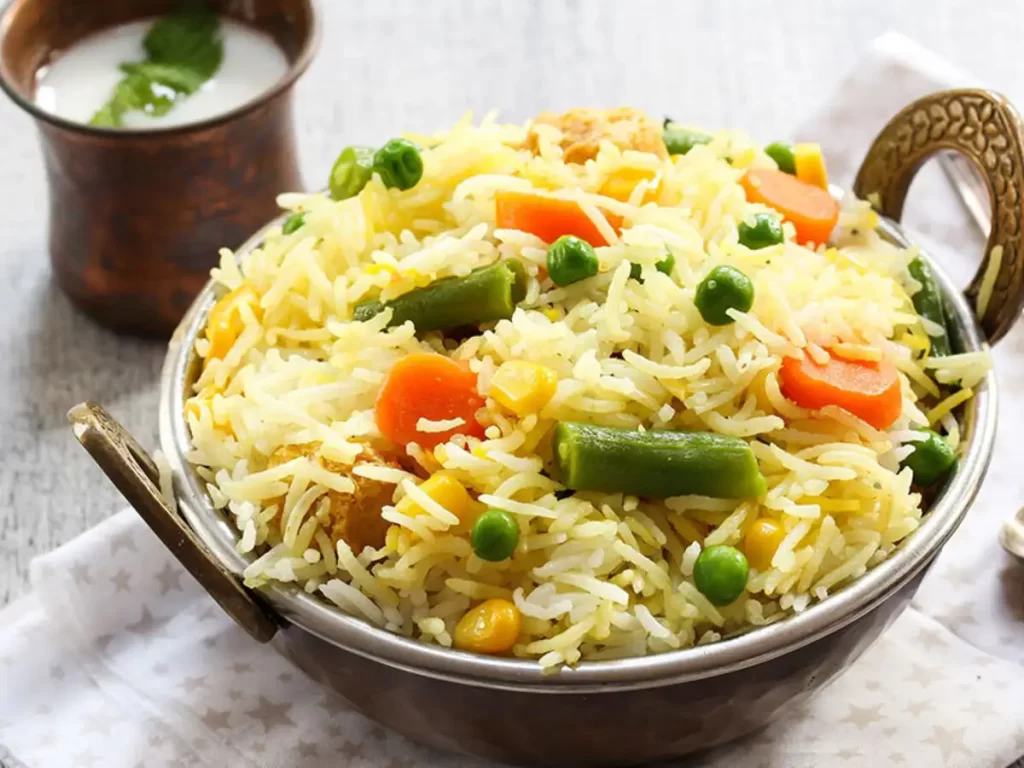
Pulao is inherently adaptable to a wide range of vegetables and plant-based proteins. Here are some vegetarian variants celebrated globally:
1. Vegetable Pulao
The classic mix of carrots, peas, green beans, and potatoes cooked with rice, spices, and ghee or oil.
2. Methi Pulao (Fenugreek Pulao)
Combines rice with fresh methi leaves for a slightly bitter, aromatic, and healthy twist.

3. Paneer Pulao
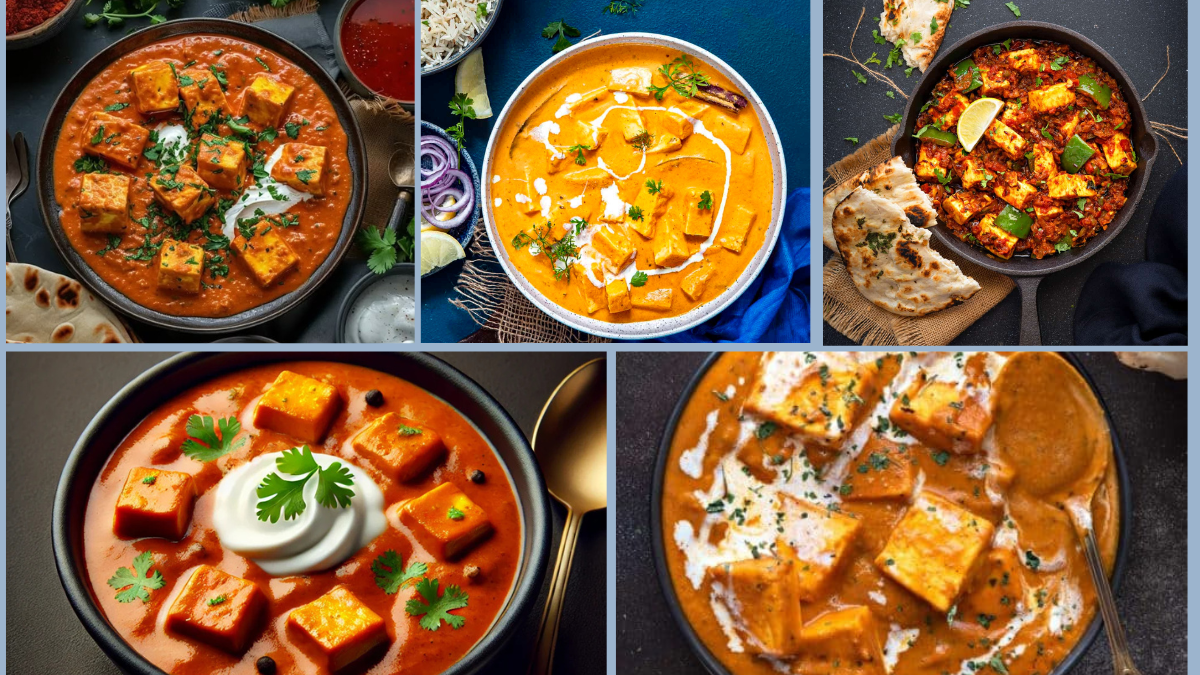
A high-protein vegetarian option that includes cubes of golden-fried paneer.
4. Chickpea Pulao (Chole Pulao)
Protein-packed and filling, ideal for both lunch and dinner.
5. Soya Pulao
Uses soya chunks for texture and nutrition, often flavored with mint and garam masala.
6. Dry Fruit Pulao
Loaded with raisins, cashews, almonds, and saffron—typically served at festive occasions.
Nutritional Benefits of Vegetarian Pulao
Here’s a quick look at the nutritional highlights of a standard vegetable pulao (1 cup serving):
| Nutrient | Approximate Value |
|---|---|
| Calories | 220–250 kcal |
| Protein | 5–7 g |
| Fiber | 2–4 g |
| Iron | 10–15% RDA |
| Vitamin A & C | From vegetables |
| Fat | Low to moderate |
Pulao is typically low in saturated fat, and when cooked with olive oil or ghee, it offers heart-friendly fats and essential micronutrients.

Vegetarian Pulao Recipe: Quick & Flavorful
Simple Vegetable Pulao Recipe (Serves 4)
Ingredients:
- 1 cup basmati rice (soaked 20 mins)
- 1 chopped onion
- 1 chopped tomato
- 1/2 cup green peas
- 1/2 cup diced carrots
- 1/2 cup green beans
- 2–3 cloves
- 1 small cinnamon stick
- 1 bay leaf
- 1 tsp cumin seeds
- 1 tsp ginger paste
- Salt to taste
- 2 tbsp ghee or oil
- 2 cups water
Instructions:
- Heat oil in a pan. Add cumin, bay leaf, cloves, and cinnamon.
- Sauté onions until golden. Add ginger paste and chopped tomatoes.
- Add vegetables and cook for 3–5 minutes.
- Stir in soaked rice. Add salt and water. Mix gently.
- Cover and cook on low heat for 15–18 minutes until rice is done.
- Fluff gently with a fork and garnish with coriander.
Why Pulao Continues to Rise in Popularity
- Quick to cook: Unlike biryani, pulao is ideal for everyday meals.
- One-pot wonder: Minimal utensils, maximum flavor.
- Versatile: Adapts to whatever vegetables are in season.
- Globally accessible: Ingredients are easily available worldwide.
- Balanced nutrition: Combines carbs, fiber, and plant-based protein.
Sustainability and a Plant-Based Future
Pulao made with vegetables and plant-based fats has a lower carbon footprint than meat-based meals. Choosing pulao supports a sustainable food culture, making it an excellent option for eco-conscious eaters.
Pulao in Festivals and Traditions
In many Indian households, pulao is a festival essential:
- Navratri: Cooks make satvik (onion- and garlic-free) pulao.
- Diwali: Served with raita and sweets.
- Weddings & Anniversaries: Paired with paneer curry or kadhi.
The versatility and celebratory nature of pulao make it a dish for all occasions—humble yet festive.

Conclusion: A Dish That Unites and Nourishes
So, which country eats the most pulao in the world?
Without a doubt—India.
With its rich culinary heritage, diversity of vegetarian recipes, and love for rice-based dishes, India has embraced pulao as both a comfort food and a festive delicacy. From temple kitchens to urban bistros, pulao continues to feed millions while evolving with modern tastes.
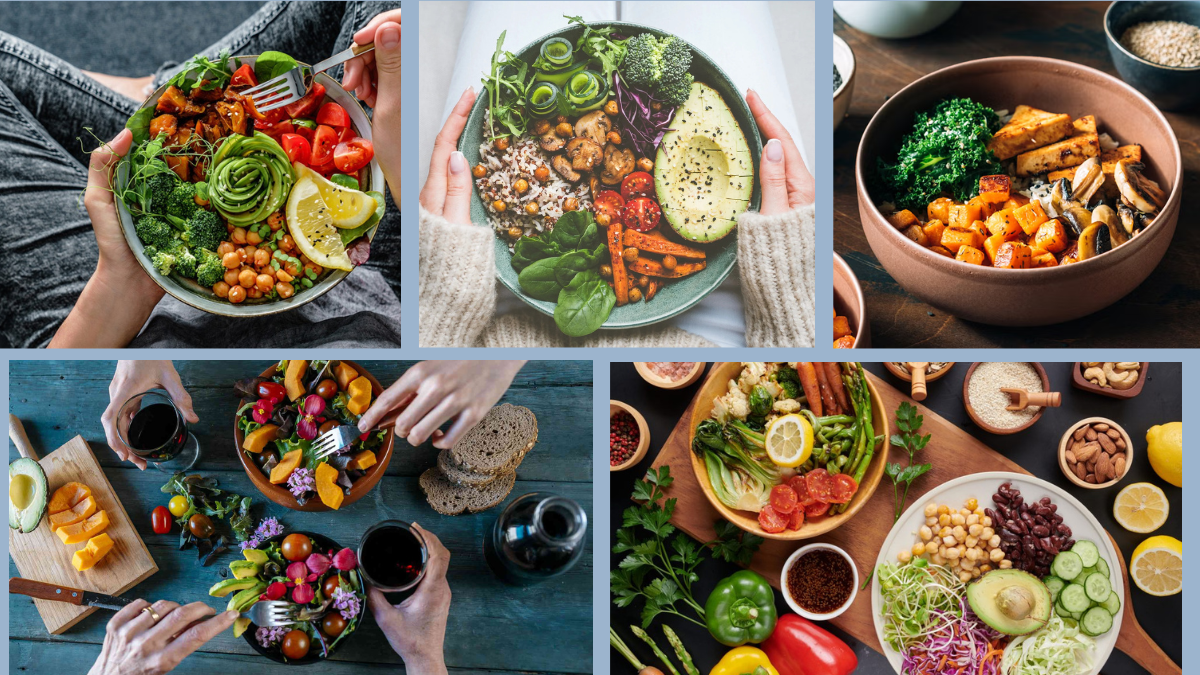
For vegetarians and plant-based eaters, pulao isn’t just food—it’s tradition, culture, and nutrition in one wholesome bowl.
https://moldovalive.md/war-in-the-shadows-of-servers-how-a-russian-company-could-have-organized-an-attack-against-stark-industries-from-moldova/