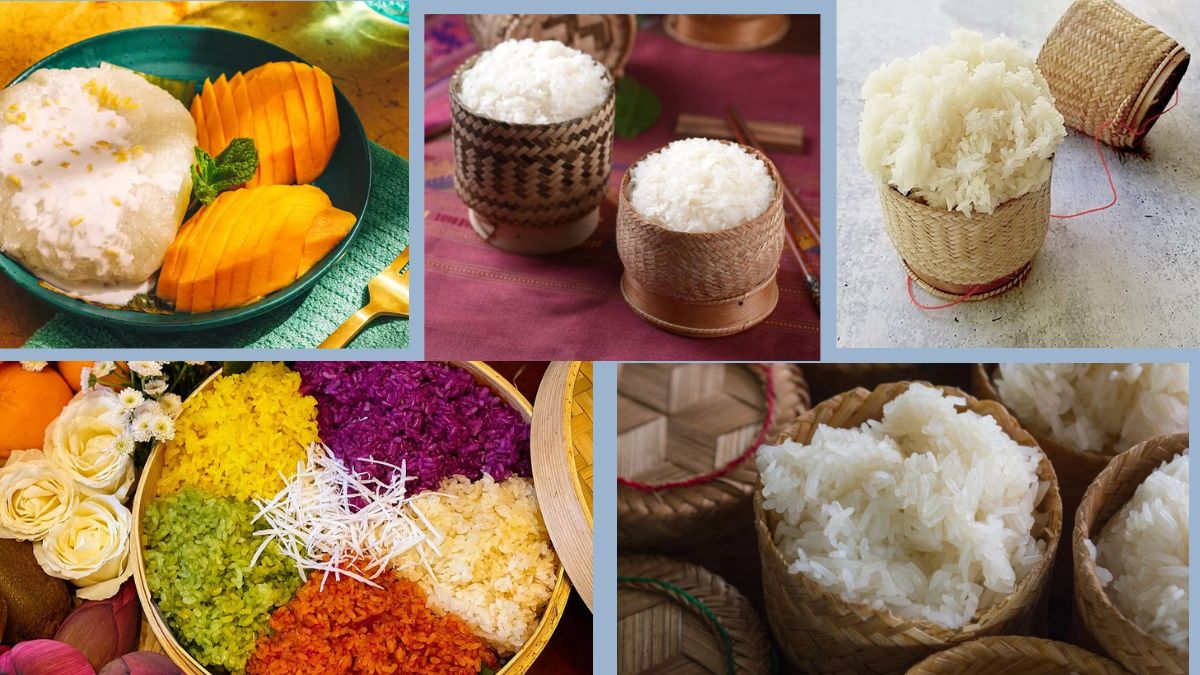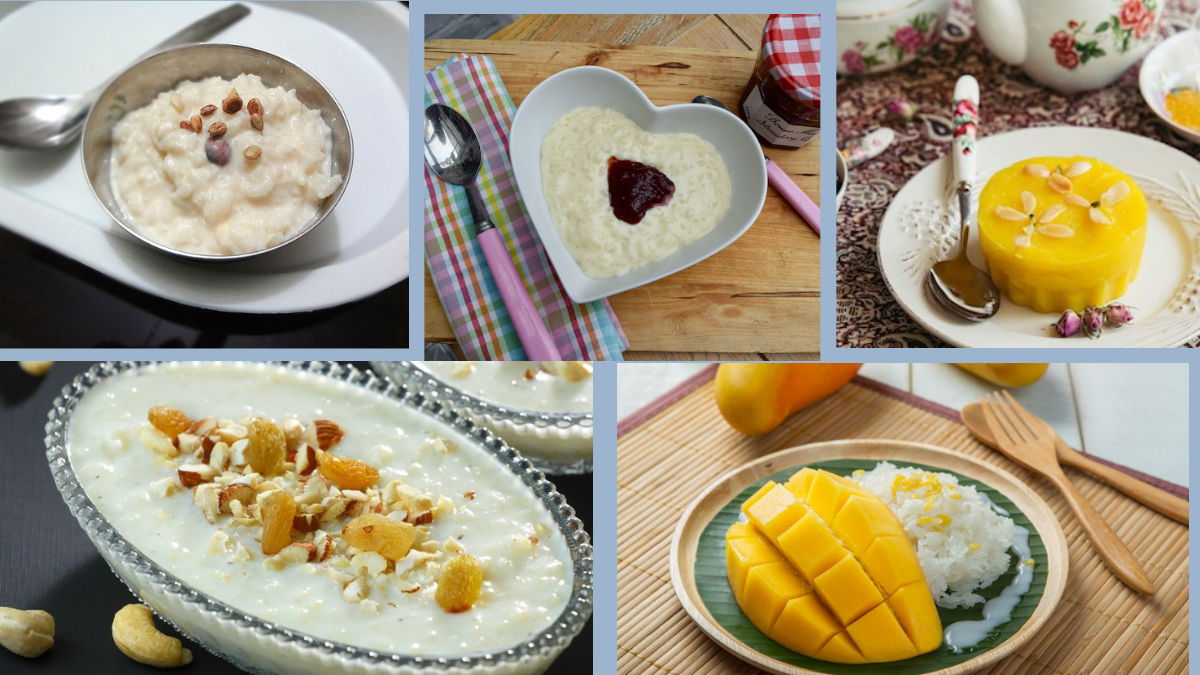
Rice pudding—a creamy, comforting dessert made from simple ingredients like rice, milk, and sugar—has been a cherished dish across many cultures for centuries. It evokes memories of warmth, home-cooked meals, and sweet celebrations. But when it comes to the question, “Which country eats the most rice pudding in the world?”, the answer is clear:
India holds the crown.
From the festival tables of Bengal to the temples of South India, rice pudding—known in various regional forms as kheer, payasam, and phirni—is not just a dessert; it’s an emotion. Let’s take a deep dive into why India consumes more rice pudding than any other country and how this beloved dish is made, served, and celebrated—without any non-vegetarian ingredients.
What Is Rice Pudding?

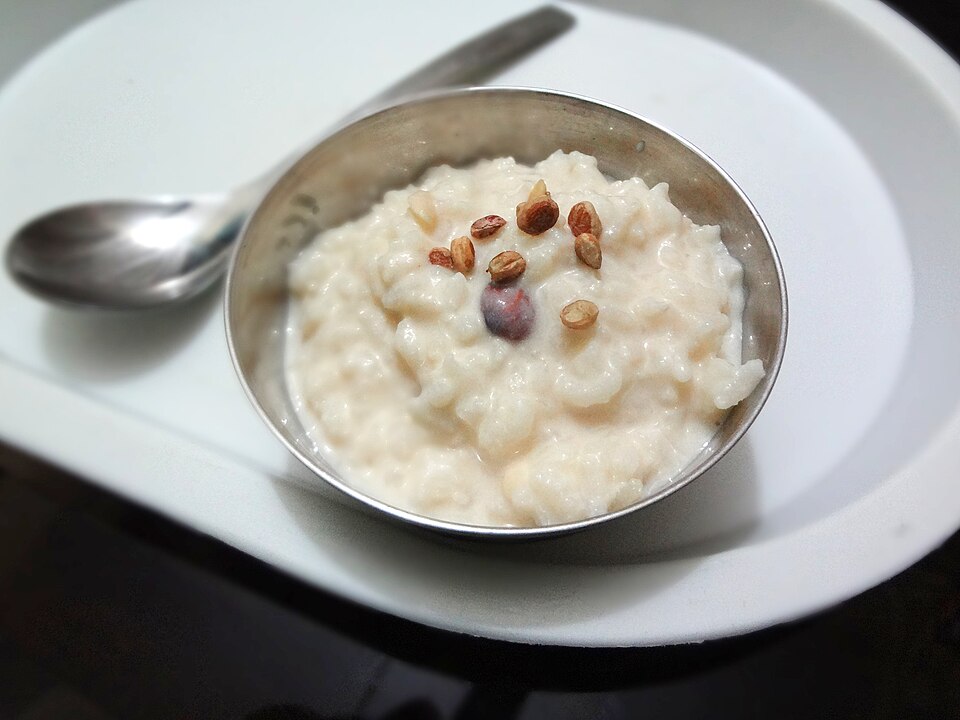
Rice pudding is a simple dessert made by simmering rice in milk, sweetened with sugar, and often flavored with spices like cardamom, saffron, or cinnamon. In India, it’s always vegetarian, using cow’s milk or plant-based alternatives like coconut or almond milk, along with rice, jaggery or sugar, and dry fruits.
Globally, rice pudding goes by many names:
- Kheer / Payasam / Phirni – India
- Arroz con leche – Latin America and Spain
- Sütlaç – Turkey
- Riz au lait – France
- Risgrynsgröt – Sweden
While regional variations differ, the essence remains: rice, milk, sweetness, and love.

Why India Eats the Most Rice Pudding
1. Cultural and Religious Importance
Rice pudding is an essential part of Indian festivals, rituals, and temple offerings. During Diwali, Navratri, Pongal, and Eid, kheer or payasam is prepared in nearly every Indian home.
It is considered a satvik (pure vegetarian) dish, often offered as prasad (religious offering) in temples. In South Indian temples, pal payasam made with cow’s milk and rice is served to thousands of devotees daily.
2. Diverse Regional Variations
India’s rich culinary landscape means rice pudding comes in many flavors and textures:
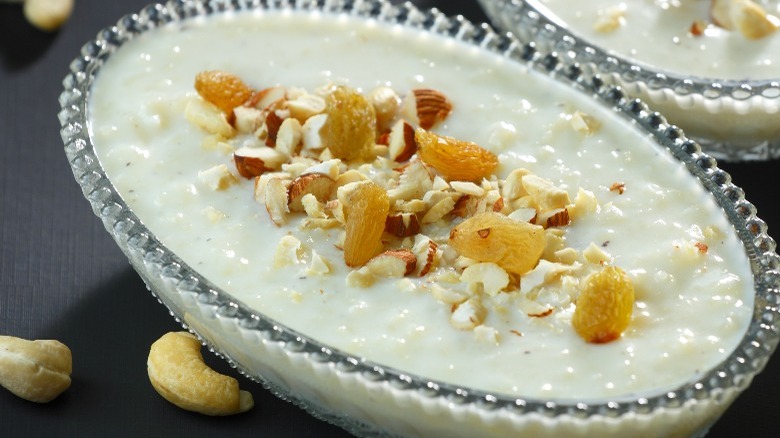
- North India – Kheer: Made with basmati rice, sugar, cardamom, and garnished with cashews and raisins.
- West Bengal – Payesh: A thinner version made with gobindobhog rice and jaggery.
- South India – Pal Payasam: Rich, slow-cooked rice and milk dessert, often served during Onam or temple feasts.
- Mughlai – Phirni: Creamy ground rice pudding served in earthen bowls, infused with saffron and rosewater.
- Maharashtra – Narali Bhat (Coconut Rice Pudding): A sweet coconut version made during Narali Poornima.
Each region has its signature version, keeping the dish relevant throughout the year.
3. A Dessert for All Ages and Classes
Rice pudding is:
- Affordable – Uses everyday staples: rice, milk, sugar.
- Comforting – Easy on the stomach, suitable for children and elders.
- Customizable – Vegan versions use coconut or almond milk; sugar can be replaced with jaggery or dates.
This wide appeal makes it a favorite among people from all walks of life.

Global Rice Pudding Consumption: Who Else Loves It?
While India leads the world in rice pudding consumption, many other countries have strong traditions around this beloved dessert.
Turkey – Sütlaç
Served warm or chilled, sütlaç is made with milk, rice, and sugar, often baked in clay pots and topped with a golden crust. It’s a popular street food and household dessert.
Mexico – Arroz con Leche
This version uses cinnamon and sometimes sweetened condensed milk. A common dessert for family gatherings and holidays like Día de los Muertos.
France – Riz au Lait
A creamy, custard-like version using whole milk and vanilla. Often eaten as a classic after-school dessert.
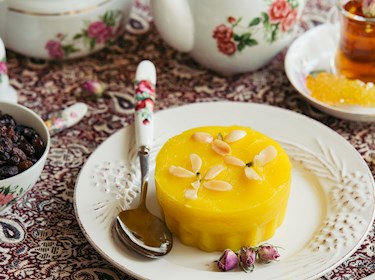
Iran – Sholezard
A saffron-infused, sweet rice pudding served during festivals. It includes rose water, cardamom, and pistachios—similar to Indian phirni.
Sweden – Risgrynsgröt
A traditional Christmas breakfast dish served with cinnamon, sugar, and milk.

Despite global love for rice pudding, none of these countries match India’s scale of cultural, religious, and everyday usage.
Ingredients Used in Indian Rice Pudding (Vegetarian)
Here are common vegetarian ingredients in Indian versions:
| Ingredient | Purpose |
|---|---|
| Rice | Base grain |
| Milk (or plant-based) | Creamy texture and richness |
| Sugar / Jaggery | Sweetness |
| Cardamom | Aroma |
| Saffron | Color and fragrance |
| Raisins | Natural sweetness |
| Cashews, Almonds | Crunch and texture |
| Rose Water / Kewra | Floral aroma |
No eggs or animal fats are used, making Indian rice pudding naturally vegetarian.
Nutritional Value of Rice Pudding (Per 100g serving)
| Nutrient | Value (Approx.) |
|---|---|
| Calories | 120–150 kcal |
| Protein | 3–5 g |
| Carbohydrates | 20–25 g |
| Fat | 3–5 g |
| Calcium | High (from milk) |
| Fiber | 1–2 g |
It can be made healthier by:
- Replacing sugar with jaggery or dates
- Using low-fat or almond milk
- Adding chia seeds or flaxseeds
Easy Vegetarian Rice Pudding Recipe (Indian Kheer Style)
Ingredients:
- 1/2 cup basmati rice (washed)
- 1 liter full-fat milk
- 1/4 cup sugar or jaggery
- 4 green cardamom pods (crushed)
- 8–10 raisins
- 8–10 cashew nuts or almonds (optional)
- A pinch of saffron (optional)
Instructions:

- Soak rice for 20 minutes.
- Heat milk in a heavy pan. Once it comes to a boil, add the drained rice.
- Cook on low heat, stirring frequently, until rice is soft and mixture thickens.
- Add sugar/jaggery, cardamom, and saffron. Cook another 5–10 minutes.
- In a separate pan, fry raisins and nuts in 1 tsp ghee. Add to the kheer.
- Serve hot or chilled.
Vegan Tip: Use almond or coconut milk and skip the ghee.
When Is Rice Pudding Eaten in India?
- Festivals: Diwali, Raksha Bandhan, Holi, Janmashtami, Eid
- Weddings: Served as a dessert with meal thalis
- Prayers & Rituals: Temple offerings, birthdays, religious fasts
- Everyday Dessert: A popular homemade treat for children and elders
Historical Origins of Rice Pudding
Rice pudding is believed to have originated in ancient India, where rice and milk were considered sacred. Over time, it spread through Persia, the Middle East, and Europe via trade routes. In medieval Europe, it was often considered a luxury dish, flavored with expensive spices like cinnamon and nutmeg.
The term kheer comes from the Sanskrit word ksheer (milk), emphasizing its deep Indian roots.
A Sustainable, Vegetarian Dessert
Compared to desserts using eggs or cream, vegetarian rice pudding has a lower carbon footprint. Using plant-based milks like coconut or almond makes it even more eco-friendly.
With growing interest in plant-based diets, rice pudding is the perfect dessert—rich, satisfying, and entirely vegetarian.
Conclusion: India—The World’s Rice Pudding Champion
So, which country eats the most rice pudding in the world?
India, hands down.

Thanks to its religious significance, cultural diversity, vegetarian suitability, and affordability, rice pudding continues to be a cherished dish across the nation. Whether it’s kheer, payasam, or phirni, this humble dessert continues to comfort, nourish, and unite people from all walks of life.
If you haven’t tried an authentic Indian rice pudding yet—now’s the perfect time. Warm, fragrant, and sweet, it’s a spoonful of tradition and joy.