
Introduction: The Low-Carb Craze—Is It Really Healthy?

Low-carb and keto diets have taken the wellness world by storm. From weight loss promises to blood sugar balance, “cutting carbs” is now a popular go-to health trend. But before you toss your rice, bread, and pasta in the trash, it’s worth asking: Do we really need to cut carbs to feel and look better?
The truth is: Drastically reducing carbs—especially from wholesome, plant-based sources—can backfire in surprising ways. Instead of boosting your health, it might leave you fatigued, foggy, moody, or even gaining weight over time.
In this article, we’ll break down why carbs are not the enemy, how low-carb diets can hurt more than help, and what you should be doing instead—especially if you’re following a vegetarian or plant-based lifestyle.
1. Carbs Are the Body’s Primary Fuel—Cut Them Too Low, and Energy Suffers

Carbohydrates are not just fuel; they’re the preferred source of energy for your brain, muscles, and nervous system. When you cut them too drastically, especially below 100 grams per day, your body has to work overtime to convert fat or protein into usable fuel (a process called gluconeogenesis or ketosis).
This might sound good in theory, but in practice, the result is often:

- Brain fog or poor concentration
- Fatigue or burnout during workouts
- Irritability or “hanger”
- Disrupted sleep
- Constipation or sluggish digestion
If you’re plant-based, low-carb diets can be even harder to maintain, since many vegetarian proteins (like beans, lentils, and whole grains) also contain carbs. Rather than restricting carbs altogether, the smarter approach is to optimize the quality and timing of your carbs for steady, sustained energy.
2. Cutting Carbs Can Impact Your Mood & Mental Health
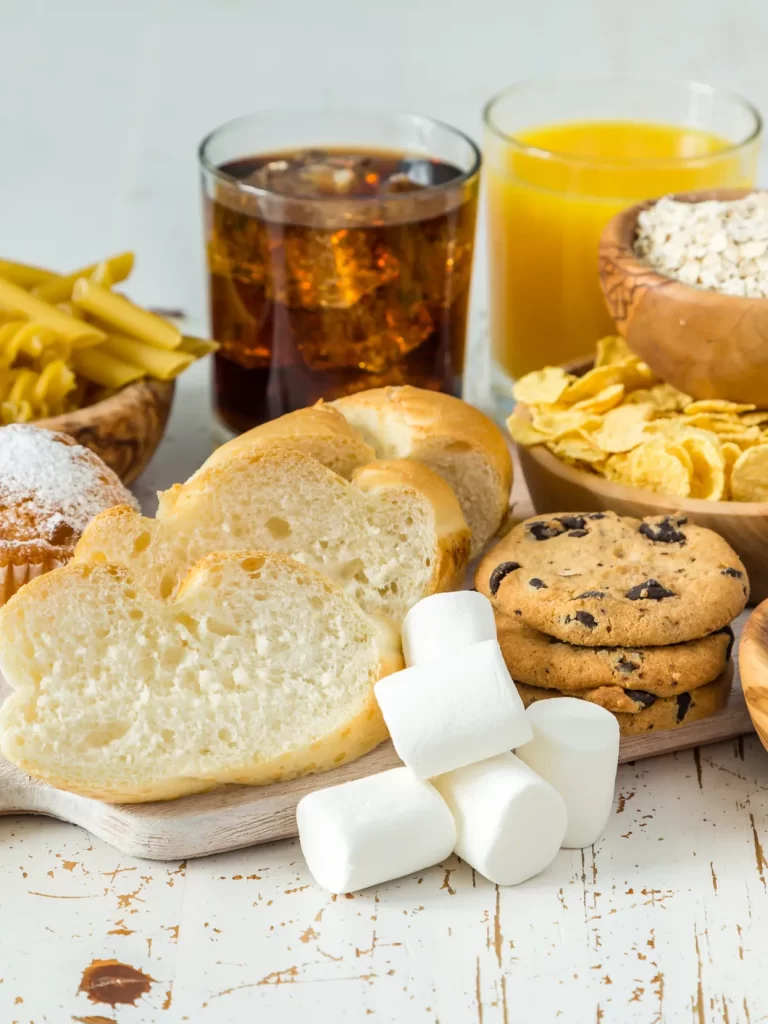
Carbohydrates help regulate serotonin, the “feel-good” neurotransmitter responsible for mood balance and relaxation. In fact, several studies have found that very low-carb diets can increase the risk of anxiety, depression, and mood swings, especially in women.
That’s because carbs help tryptophan (the amino acid precursor to serotonin) cross the blood-brain barrier. When you drastically cut carbs, this process slows down—and so does serotonin production.
This is particularly important for vegetarians, who already rely on dietary balance to maintain mental health. Instead of ditching carbs altogether, try focusing on:
- Oats
- Brown rice
- Quinoa
- Sweet potatoes
- Legumes
These complex carbs are rich in fiber, vitamins, and minerals—and they support your mood naturally.

3. Low-Carb Diets Often Lead to Yo-Yo Weight Gain
While cutting carbs can lead to quick weight loss at first (mostly due to water loss), long-term restriction often leads to rebound eating. That’s because:
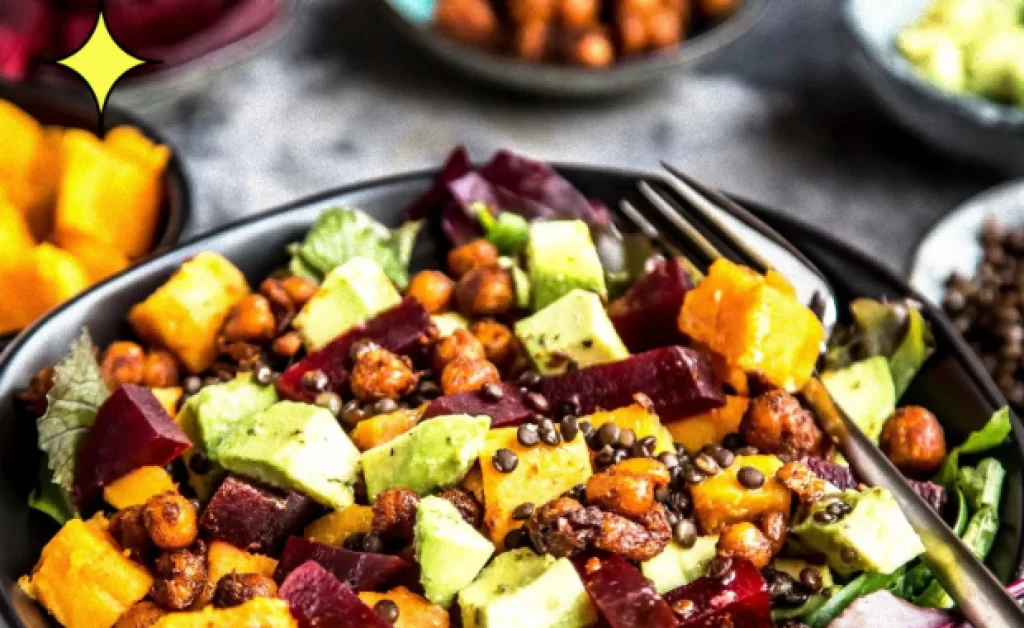
- Carbs are satisfying and comforting. Eliminating them can trigger cravings.
- Without enough carbs, hunger hormones like ghrelin increase.
- Low-carb diets are hard to sustain, leading to binge-eating once the diet ends.
This cycle of extreme restriction and rebound overeating is not just psychologically exhausting—it can also slow down your metabolism and make it harder to maintain a healthy weight over time.
Instead, aim for balance, not elimination. Include smart carbs at each meal and pair them with protein and healthy fats for satisfaction and blood sugar stability.
4. Cutting Carbs Can Restrict Key Nutrients—Especially on a Plant-Based Diet
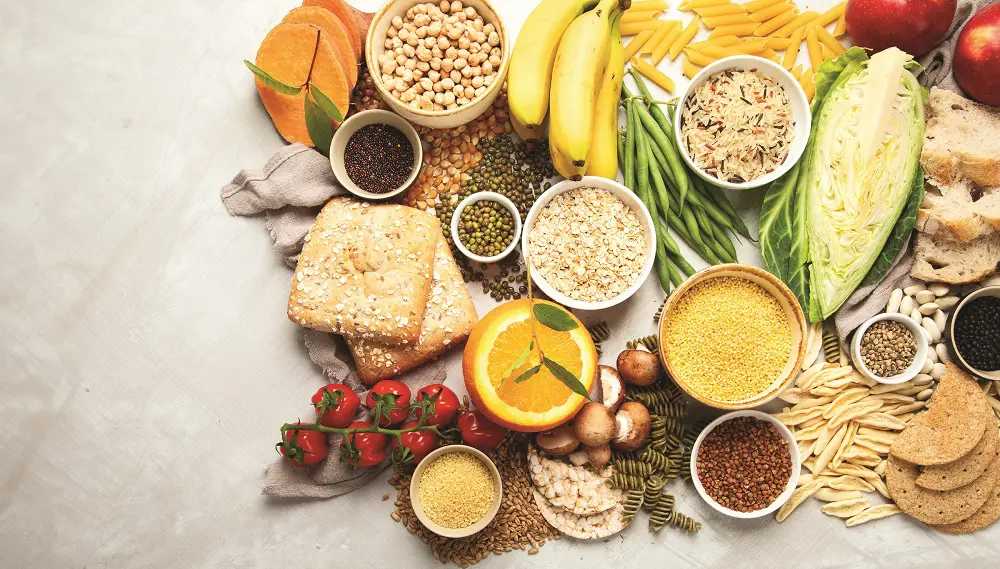
Many of the most nutrient-dense plant-based foods contain carbohydrates. If you’re cutting carbs across the board, you’re likely also cutting out:
- Fiber (from whole grains, legumes, fruits)
- B vitamins (critical for energy, brain function, and metabolism)
- Magnesium and potassium (important for nerve and muscle function)
- Antioxidants and phytonutrients that support immunity and inflammation control
Vegetarians and vegans especially need these nutrients for optimal health. Skipping whole food carbs can lead to digestive issues, fatigue, and nutrient deficiencies. Instead of cutting carbs, focus on including the right kinds, such as:

- Whole fruits (apples, berries, oranges)
- Whole grains (quinoa, oats, barley, millet)
- Legumes (chickpeas, lentils, black beans)
- Starchy vegetables (sweet potatoes, peas, beets)
5. Plant-Based Carbs Are Essential for Gut Health
Did you know that the friendly bacteria in your gut feed on carbohydrates—especially fiber and resistant starches?
By eliminating or severely restricting carbs, you may starve your gut microbiome. This can lead to:
- Digestive discomfort (bloating, constipation, irregularity)
- Weakened immune system
- Increased inflammation
- Poor nutrient absorption
Plant-based carbs like oats, lentils, bananas, onions, garlic, and asparagus are excellent sources of prebiotic fibers, which feed the good bacteria in your gut and support digestive harmony. Rather than fearing carbs, embrace them as your gut’s best friend.
So, What Should You Do Instead?
Here’s the good news: You don’t need to eliminate carbs to be healthy. The key is to:
1. Choose Complex, Fiber-Rich Carbs
Swap refined carbs (white bread, pastries, sugary cereals) for:

- Brown rice, wild rice
- Steel-cut oats
- Quinoa, farro
- Lentils, black beans
- Whole wheat pasta or sprouted grain bread
These carbs digest slowly, keep you full longer, and help stabilize blood sugar.
2. Pair Carbs with Protein & Healthy Fats
To avoid spikes and crashes, combine carbs with fats or protein. Examples:
- Oats + almond butter + chia seeds
- Quinoa + tofu + avocado
- Brown rice + roasted vegetables + tahini
3. Time Your Carbs Smartly
Have more carbs:
- In the morning (to fuel the day)
- Around workouts (for recovery)
- In moderate portions at dinner to aid sleep without overload
4. Don’t Fear Fruit
Fruit is rich in fiber, water, and antioxidants. Yes, it contains natural sugar—but it’s far from being a “bad carb.” Enjoy 2–3 servings daily of whole fruits like:
- Berries
- Apples
- Bananas
- Pears
- Grapes
Recap: Why Cutting Carbs Can Backfire
| Low-Carb Pitfall | Why It Backfires |
|---|---|
| Low energy | Your body lacks glucose for fuel |
| Brain fog | Brain prefers glucose over fat |
| Mood swings | Serotonin production drops |
| Nutrient loss | Missing fiber, B vitamins, antioxidants |
| Gut imbalance | Starves healthy gut bacteria |
| Weight gain | Leads to rebound hunger & bingeing |
Final Thoughts: Carbs Aren’t the Enemy—Poor Choices Are
Carbs have been unfairly demonized, but the real problem isn’t carbohydrates—it’s the overconsumption of ultra-processed, low-nutrient carbs. The solution isn’t to avoid all carbs; it’s to embrace whole, plant-based sources that fuel your body, support your mood, and enhance your long-term health.

If you’re following a vegetarian or plant-forward lifestyle, carbs are not only essential—they’re one of your greatest allies.
So go ahead and enjoy that bowl of lentils or brown rice stir-fry. Your body—and brain—will thank you.



1
1